









Conjuntos soldados de cerâmica e metal
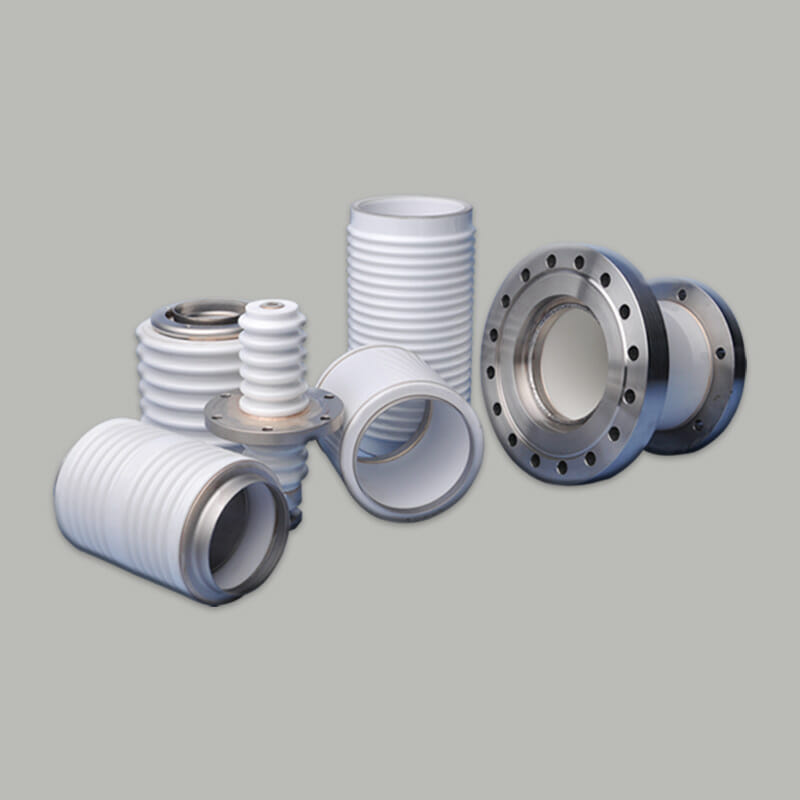
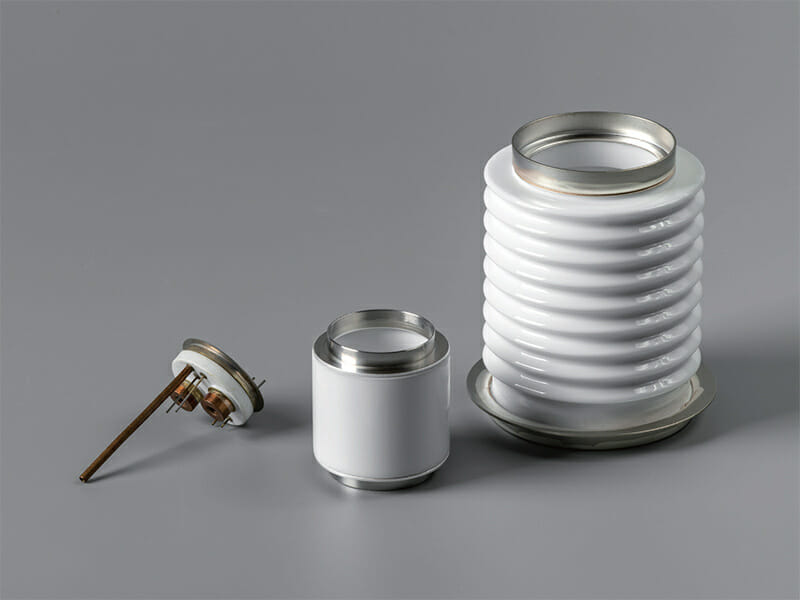
The brazing assemblies uses valveable materials or oxygen-free copper parts with a similar expansion coefficient to the ceramic parts and metallized ceramic parts to achieve sealing between the ceramic and the metal through brazing. The sealing parts can be argon arc welded with stainless steel, thereby Achieve air-tight connection between ceramic parts and metal structural parts.
Brazed Assemblies Company
Great Ceramic provides precision brazing of dissimilar materials such as metals and ceramics to create high-performance brazed assemblies. Skilled technicians and state-of-the-art facilities allow us to provide custom brazed parts for the most demanding applications.
Uses of brazed assemblies
Ceramic and metal brazing assemblies are mainly used in electron tubes, launch tubes, microwave tubes, traveling wave tubes, vacuum gauge tubes, accelerating tubes, trigger tubes, thyristors, X-ray tubes, CT tubes, high-voltage electrodes and other fields. Especially in the field of high-power, high-reliability packaged electronic products, it shows excellent performance.
Our Brazing Capabilities
– Vacuum and controlled atmosphere brazing up to 2200°F
– Resistance heating and induction brazing for rapid, localized heat
– Broad selection of active metal and silver-based filler metals
– Precise joint clearance control (±0.001”)
– Ultra-clean material preparation and handling
– Advanced inspection using scanning acoustic microscopy
Brazed Assemblies Technical Parameters
| Título do projeto | Unidade | 96% Al2O3 | 97% Al2O3 | 99% Al2O3 | 99,6% Al2O3 |
| Teor de alumina | % | Al2O3≧95% | Al2O3≧97% | Al2O3≧99% | Al2O3≧99.6% |
| Gama de tamanhos | mm | 0.5-500 | 0.5-500 | 0.5-500 | 0.5-500 |
| A mais alta precisão | mm | 0.01 | 0.01 | 0.01 | 0.01 |
| Densidade aparente | g/cm3 | ≧3.67 | ≧3.70 | ≧3.85 | ≧3.90 |
| Resistência à flexão | MPa (25℃) | ≧300 | ≧300 | ≧350 | ≧400 |
| Resistência à compressão | GPa (25℃) | ≧1.8 | ≧1.8 | ≧2.0 | ≧2.3 |
| Condutividade térmica | W/m.K | 10-20 | 10-20 | 15-21 | 15-21 |
| Coeficiente de expansão linear médio | /℃ (20~500℃) | 7.36×10⁻⁶ | 6.9×10⁻⁶ | 6.9×10⁻⁶ | 6.9×10⁻⁶ |
| Constante dieléctrica | 1MHz (20℃) | 9.1 | 9.5 | 9.8 | 10 |
| Valor da tangente de perda dieléctrica | 1MHz (20℃) | ≦4×10⁻⁴ | ≦3×10⁻⁴ | ≦2×10⁻⁴ | ≦2×10⁻⁴ |
| Resistividade volumétrica | Ω.cm (100℃) | ≧1×10¹⁴ | ≧1×10¹⁴ | ≧1×10¹⁴ | ≧1×10¹⁴ |
| Força de rutura DC | KV/mm | ≧30 | ≧35 | ≧25 | ≧25 |
| Resistência ao choque térmico | ℃ | 20~800 | 20~800 | 20~800 | 20~800 |
| Temperatura máxima de funcionamento | ℃ | ≦1300 | ≦1400 | ≦1500 | ≦1500 |
| Resistência aos ácidos | Geral | Adequado | De primeira qualidade | De primeira qualidade | |
| Resistência aos álcalis | Geral | Adequado | Adequado | De primeira qualidade | |
| Facilidade de metalização | Fácil | Dificuldade normal | Dificuldade média | Muito difícil | |
| Estanquidade ao ar | Pa-m3/s | ≦1×10-11 | ≦1×10-11 | ≦1×10⁻¹⁰ | ≦1×10⁻⁹ |
| Tension strength | Kg/cm2 | 3 | 3 | 3 | 3 |
Nota: Cada lote pode ser diferente, apenas para referência.
Nota: visualize-o no seu computador.
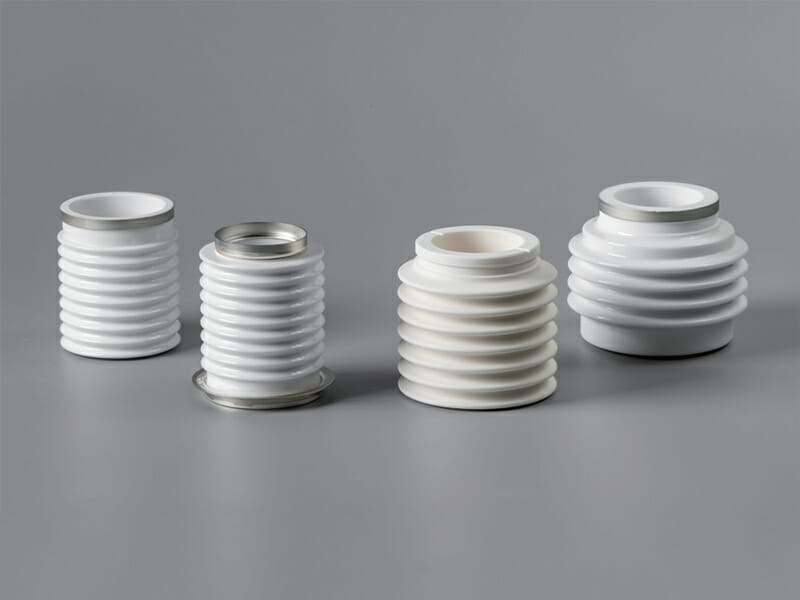
Soldagem de metais em cerâmicas
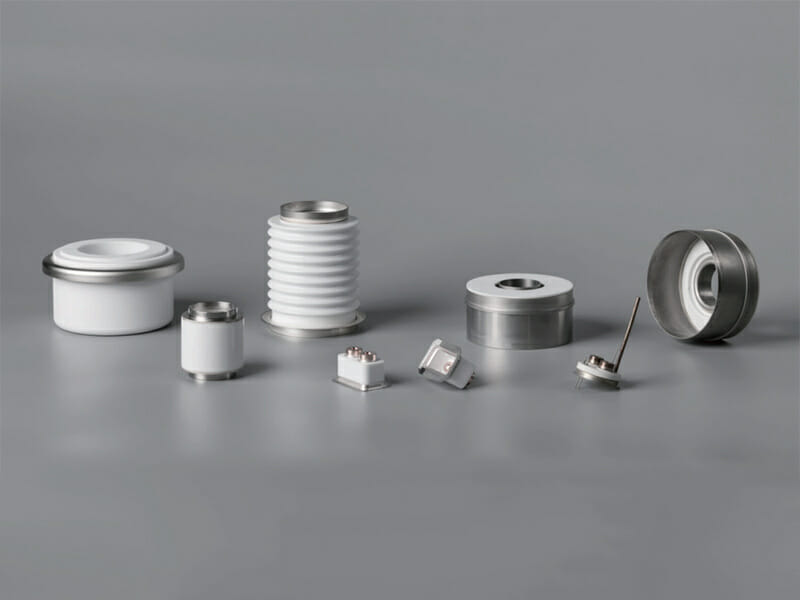
Brazing provides a reliable process to join metals and ceramics in lightweight, high strength assemblies. We carefully select compatible materials and brazing filler metals to create tailored joints. Common material combinations include:
| ceramics | 95%Al2O3 | 97%Al2O3 | Sapphire | |||||||||
|---|---|---|---|---|---|---|---|---|---|---|---|---|
| Metal | AgCu28 | OFC | Ag | AuSn20 | AgCu28 | OFC | Ag | AuSn20 | AgCu28 | OFC | Ag | AuSn20 |
| Kovar 4J33 | √ | √ | √ | √ | √ | √ | √ | √ | √ | √ | √ | √ |
| Kovar 4J34 | √ | √ | √ | √ | √ | √ | √ | √ | √ | √ | √ | √ |
| OF-Cu | √ | √ | √ | √ | √ | √ | √ | √ | √ | |||
| Au | √ | √ | √ | √ | √ | √ | √ | √ | √ | |||
| Au | √ | √ | √ | √ | √ | √ | √ | √ | √ | √ | √ | √ |
Saiba mais sobre a metalização de substratos cerâmicos
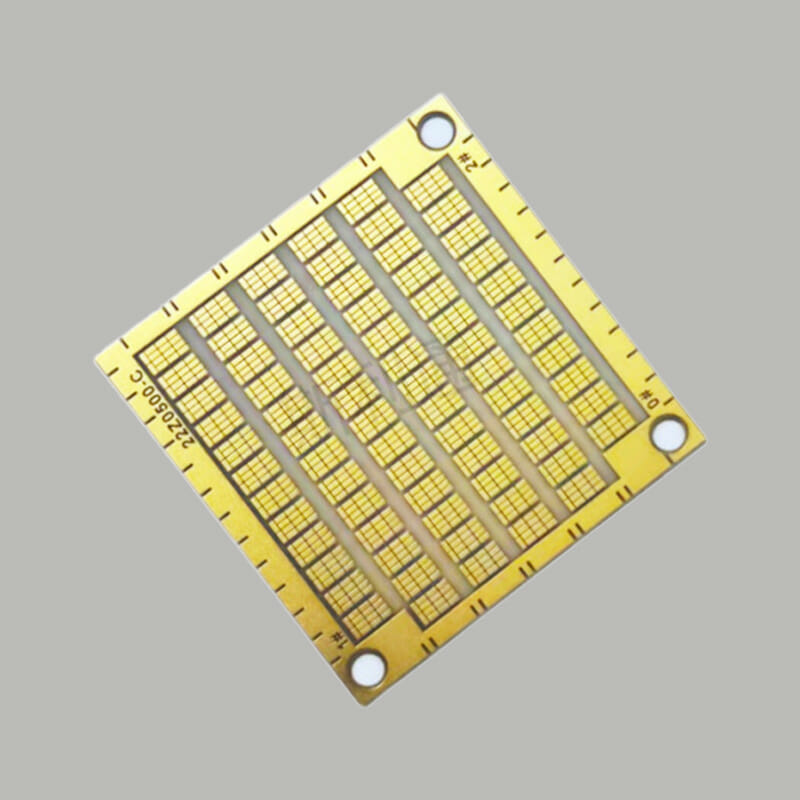
Saiba mais sobre o processamento a laser de substratos cerâmicos