









Assemblaggi brasati in ceramica e metallo
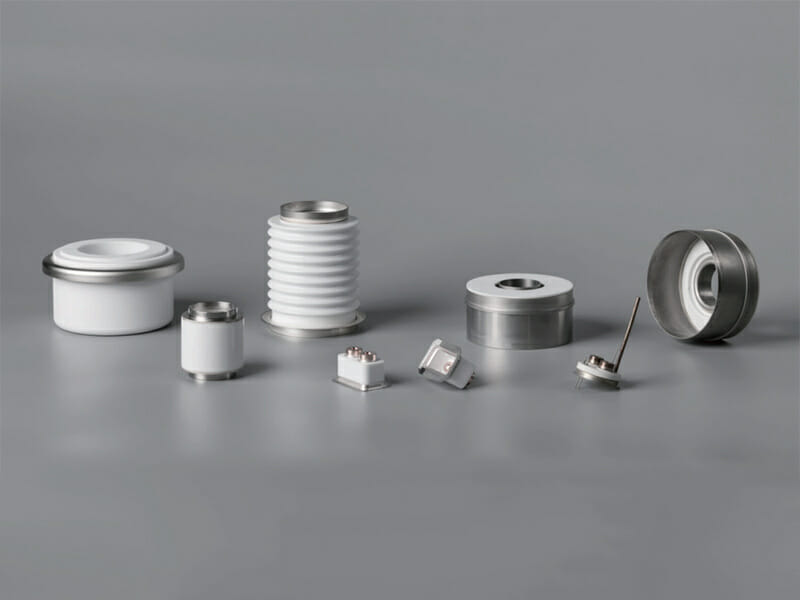
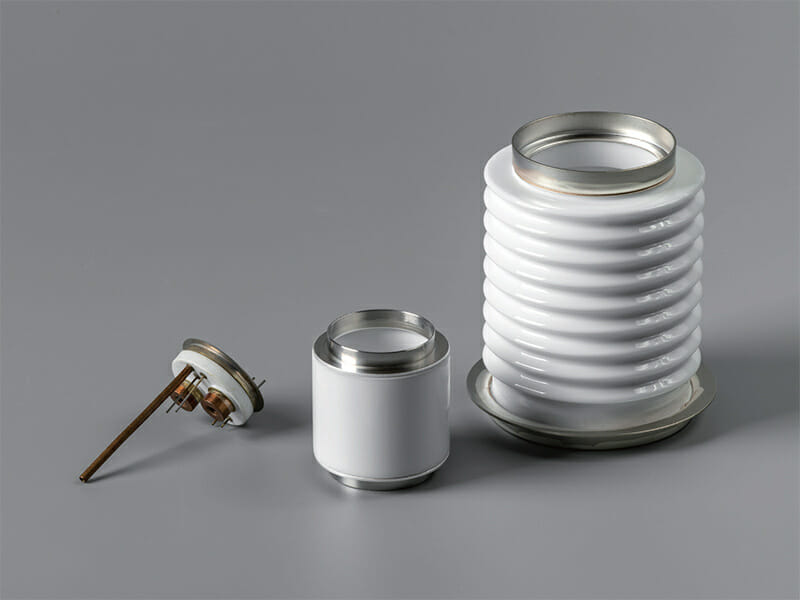
I gruppi di brasatura utilizzano materiali valvolari o parti in rame senza ossigeno con un coefficiente di espansione simile a quello delle parti in ceramica e parti in ceramica metallizzata per ottenere la tenuta tra la ceramica e il metallo attraverso la brasatura. Le parti di tenuta possono essere saldate ad arco di argon con acciaio inossidabile, ottenendo così una connessione ermetica tra le parti in ceramica e le parti strutturali in metallo.
Azienda di assemblaggi brasati
Great Ceramic fornisce brasatura di precisione di materiali dissimili, come metalli e ceramiche, per creare assemblaggi brasati ad alte prestazioni. Tecnici qualificati e strutture all'avanguardia ci consentono di fornire parti brasate personalizzate per le applicazioni più impegnative.
Usi degli assemblaggi brasati
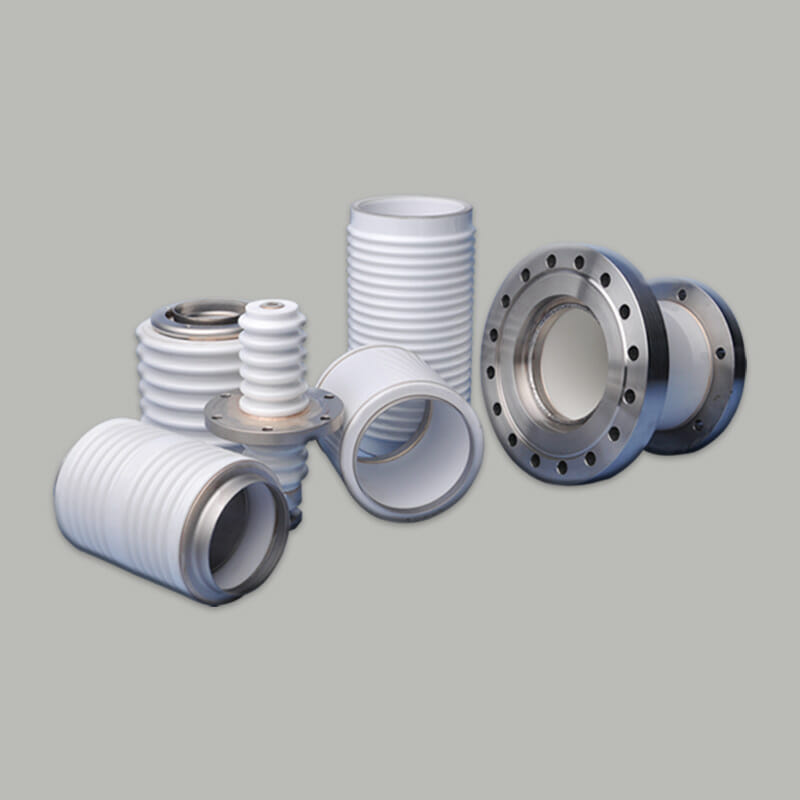
Gli assemblaggi per brasatura di ceramica e metallo sono utilizzati principalmente nei tubi elettronici, nei tubi di lancio, nei tubi a microonde, nei tubi a onde convogliate, nei tubi a vuoto, nei tubi di accelerazione, nei tubi di innesco, nei tiristori, nei tubi a raggi X, nei tubi CT, negli elettrodi ad alta tensione e in altri campi. Soprattutto nel campo dei prodotti elettronici confezionati ad alta potenza e ad alta affidabilità, mostra prestazioni eccellenti.
Le nostre capacità di brasatura
- Brasatura sotto vuoto e in atmosfera controllata fino a 2200°F
- Riscaldamento a resistenza e brasatura a induzione per un calore rapido e localizzato
- Ampia scelta di metalli attivi e metalli d'apporto a base di argento
- Controllo preciso del gioco dei giunti (±0,001”)
- Preparazione e manipolazione dei materiali ultra-puliti
- Ispezione avanzata con microscopia acustica a scansione
Parametri tecnici dei gruppi brasati
| Titolo del progetto | Unità | 96% Al2O3 | 97% Al2O3 | 99% Al2O3 | 99,6% Al2O3 |
| Contenuto di allumina | % | Al2O3≧95% | Al2O3≧97% | Al2O3≧99% | Al2O3≧99.6% |
| Gamma di dimensioni | mm | 0.5-500 | 0.5-500 | 0.5-500 | 0.5-500 |
| Massima precisione | mm | 0.01 | 0.01 | 0.01 | 0.01 |
| Densità di massa | g/cm3 | ≧3.67 | ≧3.70 | ≧3.85 | ≧3.90 |
| Resistenza alla flessione | MPa (25℃) | ≧300 | ≧300 | ≧350 | ≧400 |
| Resistenza alla compressione | GPa (25℃) | ≧1.8 | ≧1.8 | ≧2.0 | ≧2.3 |
| Conducibilità termica | W/m.K | 10-20 | 10-20 | 15-21 | 15-21 |
| Coefficiente di espansione lineare medio | /℃ (20~500℃) | 7.36×10⁻⁶ | 6.9×10⁻⁶ | 6.9×10⁻⁶ | 6.9×10⁻⁶ |
| Costante dielettrica | 1MHz (20℃) | 9.1 | 9.5 | 9.8 | 10 |
| Valore della perdita dielettrica tangente | 1MHz (20℃) | ≦4×10⁻⁴ | ≦3×10⁻⁴ | ≦2×10⁻⁴ | ≦2×10⁻⁴ |
| Resistività di volume | Ω.cm (100℃) | ≧1×10¹⁴ | ≧1×10¹⁴ | ≧1×10¹⁴ | ≧1×10¹⁴ |
| Resistenza alla rottura in corrente continua | KV/mm | ≧30 | ≧35 | ≧25 | ≧25 |
| Resistenza agli shock termici | ℃ | 20~800 | 20~800 | 20~800 | 20~800 |
| Temperatura massima di esercizio | ℃ | ≦1300 | ≦1400 | ≦1500 | ≦1500 |
| Resistenza agli acidi | Generale | Adatto | Di prima qualità | Di prima qualità | |
| Resistenza agli alcali | Generale | Adatto | Adatto | Di prima qualità | |
| Facilità di metallizzazione | Facile | Difficoltà normale | Difficoltà media | Molto difficile | |
| Tenuta all'aria | Pa-m3/s | ≦1×10-11 | ≦1×10-11 | ≦1×10⁻¹⁰ | ≦1×10⁻⁹ |
| Resistenza alla tensione | Kg/cm2 | 3 | 3 | 3 | 3 |
Nota: ogni lotto può essere diverso, solo come riferimento.
Nota: si prega di visualizzarlo sul proprio computer.
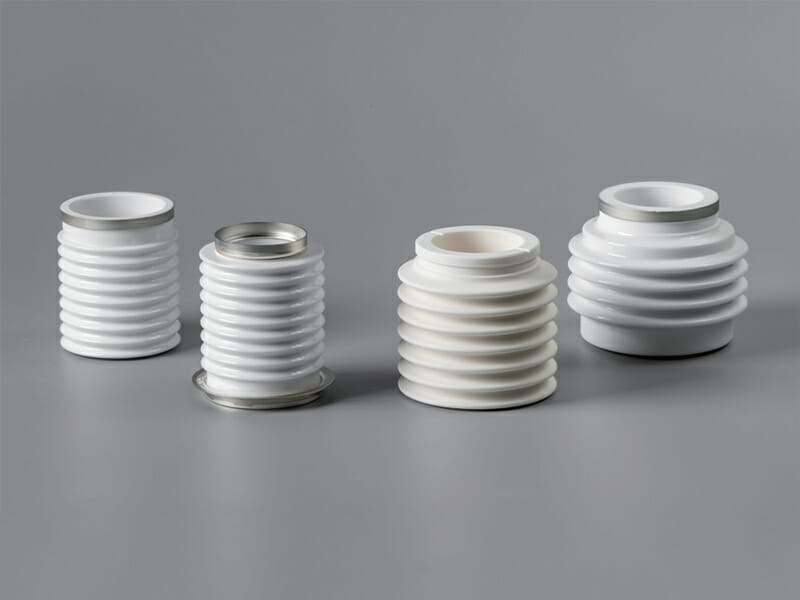
Brasatura di metalli su ceramica
La brasatura è un processo affidabile per unire metalli e ceramiche in gruppi leggeri e ad alta resistenza. Selezioniamo con cura i materiali compatibili e i metalli d'apporto per la brasatura per creare giunti su misura. Le combinazioni di materiali più comuni includono:
| ceramica | 95%Al2O3 | 97%Al2O3 | Zaffiro | |||||||||
|---|---|---|---|---|---|---|---|---|---|---|---|---|
| Metallo | AgCu28 | OFC | Ag | AuSn20 | AgCu28 | OFC | Ag | AuSn20 | AgCu28 | OFC | Ag | AuSn20 |
| Kovar 4J33 | √ | √ | √ | √ | √ | √ | √ | √ | √ | √ | √ | √ |
| Kovar 4J34 | √ | √ | √ | √ | √ | √ | √ | √ | √ | √ | √ | √ |
| OF-Cu | √ | √ | √ | √ | √ | √ | √ | √ | √ | |||
| Au | √ | √ | √ | √ | √ | √ | √ | √ | √ | |||
| Au | √ | √ | √ | √ | √ | √ | √ | √ | √ | √ | √ | √ |
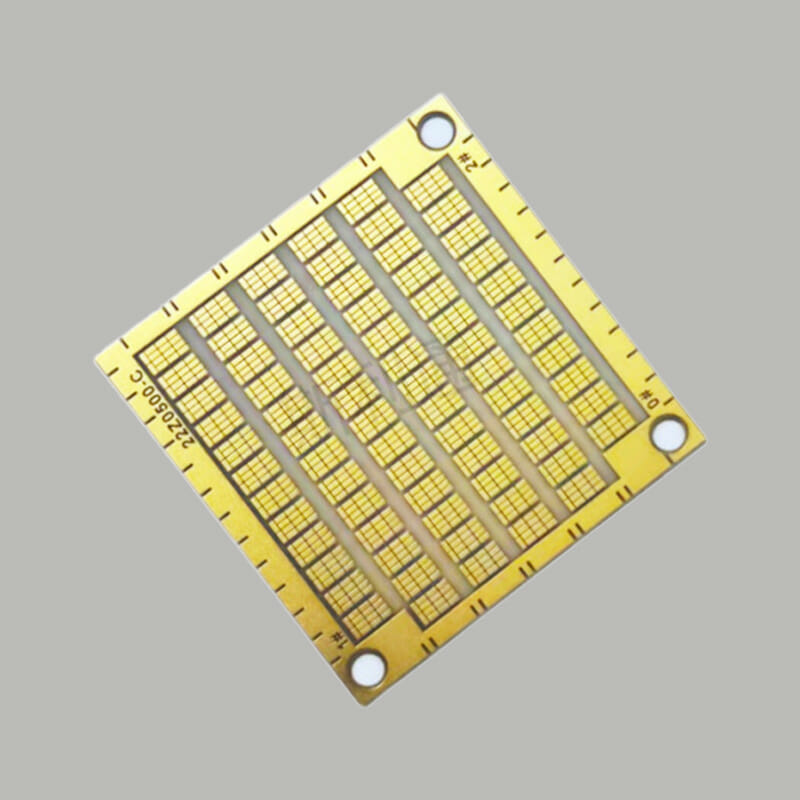
Informazioni sulla metallizzazione dei substrati ceramici
Informazioni sulla lavorazione laser dei substrati ceramici