









Zespoły lutowane ceramicznie i metalowo
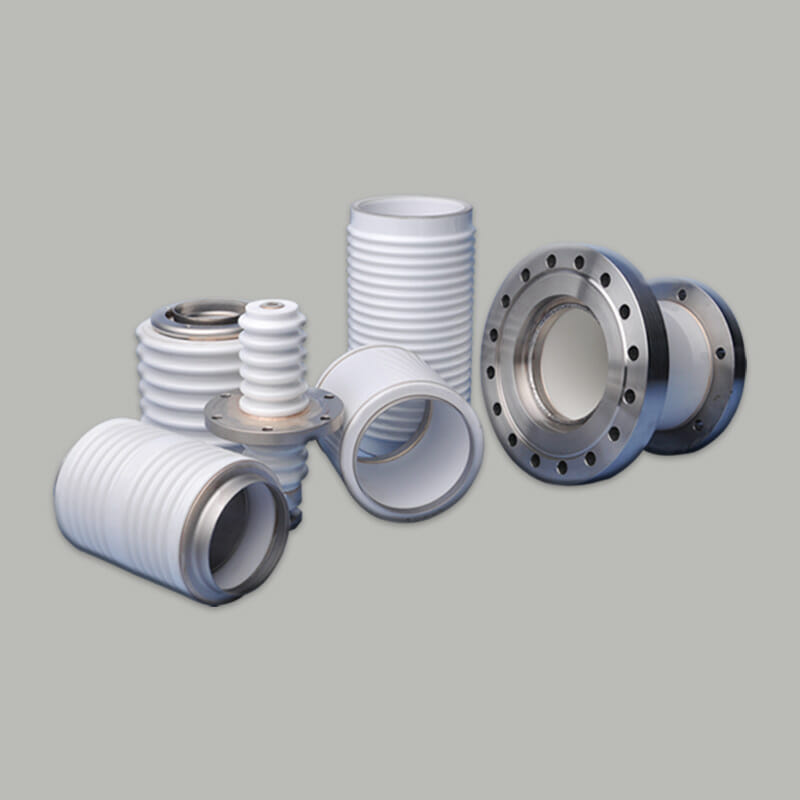
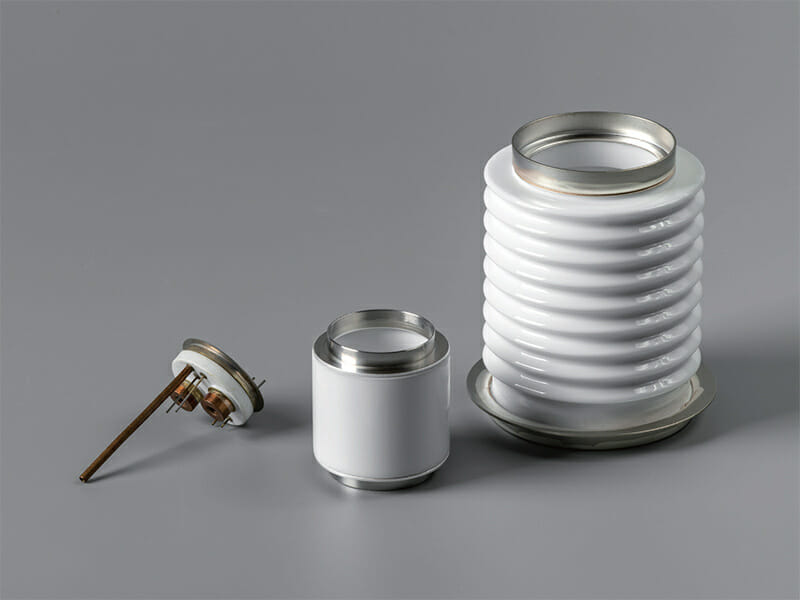
The brazing assemblies uses valveable materials or oxygen-free copper parts with a similar expansion coefficient to the ceramic parts and metallized ceramic parts to achieve sealing between the ceramic and the metal through brazing. The sealing parts can be argon arc welded with stainless steel, thereby Achieve air-tight connection between ceramic parts and metal structural parts.
Brazed Assemblies Company
Great Ceramic provides precision brazing of dissimilar materials such as metals and ceramics to create high-performance brazed assemblies. Skilled technicians and state-of-the-art facilities allow us to provide custom brazed parts for the most demanding applications.
Uses of brazed assemblies
Ceramic and metal brazing assemblies are mainly used in electron tubes, launch tubes, microwave tubes, traveling wave tubes, vacuum gauge tubes, accelerating tubes, trigger tubes, thyristors, X-ray tubes, CT tubes, high-voltage electrodes and other fields. Especially in the field of high-power, high-reliability packaged electronic products, it shows excellent performance.
Our Brazing Capabilities
– Vacuum and controlled atmosphere brazing up to 2200°F
– Resistance heating and induction brazing for rapid, localized heat
– Broad selection of active metal and silver-based filler metals
– Precise joint clearance control (±0.001”)
– Ultra-clean material preparation and handling
– Advanced inspection using scanning acoustic microscopy
Brazed Assemblies Technical Parameters
| Project title | Jednostka | 96% Al2O3 | 97% Al2O3 | 99% Al2O3 | 99.6% Al2O3 |
| Zawartość tlenku glinu | % | Al2O3≧95% | Al2O3≧97% | Al2O3≧99% | Al2O3≧99.6% |
| Size range | mm | 0.5-500 | 0.5-500 | 0.5-500 | 0.5-500 |
| Highest accuracy | mm | 0.01 | 0.01 | 0.01 | 0.01 |
| Gęstość nasypowa | g/cm3 | ≧3.67 | ≧3.70 | ≧3.85 | ≧3.90 |
| Wytrzymałość na zginanie | MPa (25℃) | ≧300 | ≧300 | ≧350 | ≧400 |
| Wytrzymałość na ściskanie | GPa (25℃) | ≧1.8 | ≧1.8 | ≧2.0 | ≧2.3 |
| Przewodność cieplna | W/m.K | 10-20 | 10-20 | 15-21 | 15-21 |
| Average linear expansion coefficient | /℃ (20~500℃) | 7.36×10⁻⁶ | 6.9×10⁻⁶ | 6.9×10⁻⁶ | 6.9×10⁻⁶ |
| Stała dielektryczna | 1MHz (20℃) | 9.1 | 9.5 | 9.8 | 10 |
| Dielectric loss tangent value | 1MHz (20℃) | ≦4×10⁻⁴ | ≦3×10⁻⁴ | ≦2×10⁻⁴ | ≦2×10⁻⁴ |
| Volume resistivity | Ω.cm (100℃) | ≧1×10¹⁴ | ≧1×10¹⁴ | ≧1×10¹⁴ | ≧1×10¹⁴ |
| Wytrzymałość na przebicie prądem stałym | KV/mm | ≧30 | ≧35 | ≧25 | ≧25 |
| Odporność na szok termiczny | ℃ | 20~800 | 20~800 | 20~800 | 20~800 |
| Maksymalna temperatura pracy | ℃ | ≦1300 | ≦1400 | ≦1500 | ≦1500 |
| Acid resistance | General | Suitable | First-rate | First-rate | |
| Alkali resistance | General | Suitable | Suitable | First-rate | |
| Ease of metallization | Easy | Normal difficulty | Medium difficulty | Very difficult | |
| Air tightness | Pa•m3/s | ≦1×10-11 | ≦1×10-11 | ≦1×10⁻¹⁰ | ≦1×10⁻⁹ |
| Tension strength | Kg/cm2 | 3 | 3 | 3 | 3 |
Uwaga: Każda partia może być inna, wyłącznie w celach informacyjnych.
Uwaga: należy wyświetlić go na komputerze.
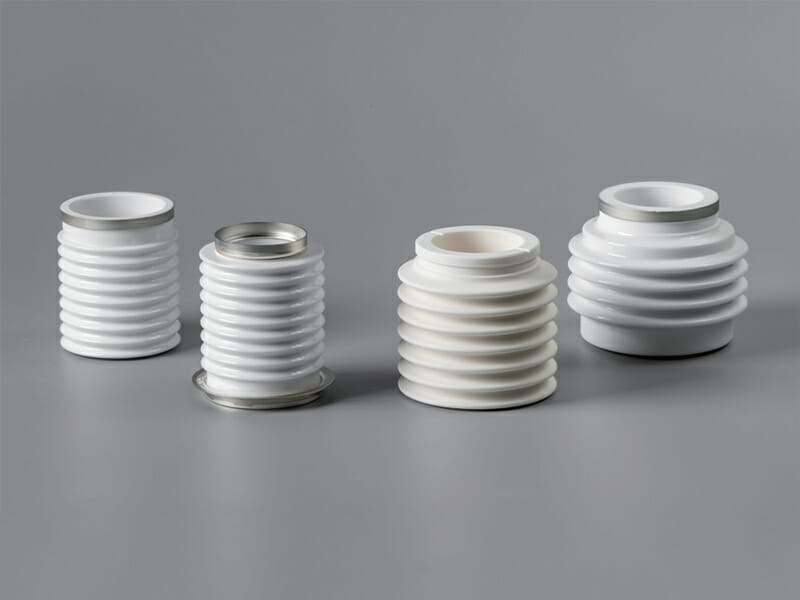
Lutowanie metali do ceramiki
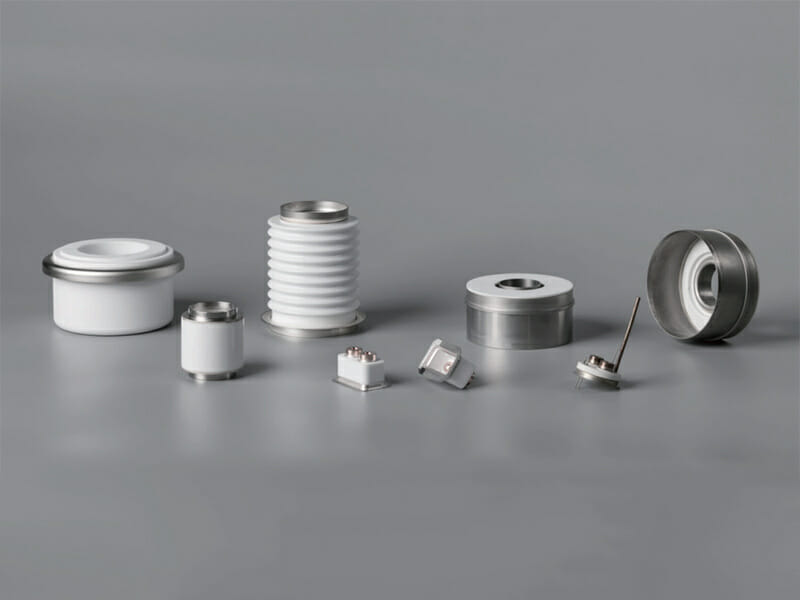
Brazing provides a reliable process to join metals and ceramics in lightweight, high strength assemblies. We carefully select compatible materials and brazing filler metals to create tailored joints. Common material combinations include:
| ceramics | 95%Al2O3 | 97%Al2O3 | Sapphire | |||||||||
|---|---|---|---|---|---|---|---|---|---|---|---|---|
| Metal | AgCu28 | OFC | Ag | AuSn20 | AgCu28 | OFC | Ag | AuSn20 | AgCu28 | OFC | Ag | AuSn20 |
| Kovar 4J33 | √ | √ | √ | √ | √ | √ | √ | √ | √ | √ | √ | √ |
| Kovar 4J34 | √ | √ | √ | √ | √ | √ | √ | √ | √ | √ | √ | √ |
| OF-Cu | √ | √ | √ | √ | √ | √ | √ | √ | √ | |||
| Au | √ | √ | √ | √ | √ | √ | √ | √ | √ | |||
| Au | √ | √ | √ | √ | √ | √ | √ | √ | √ | √ | √ | √ |
Dowiedz się więcej o metalizacji podłoży ceramicznych
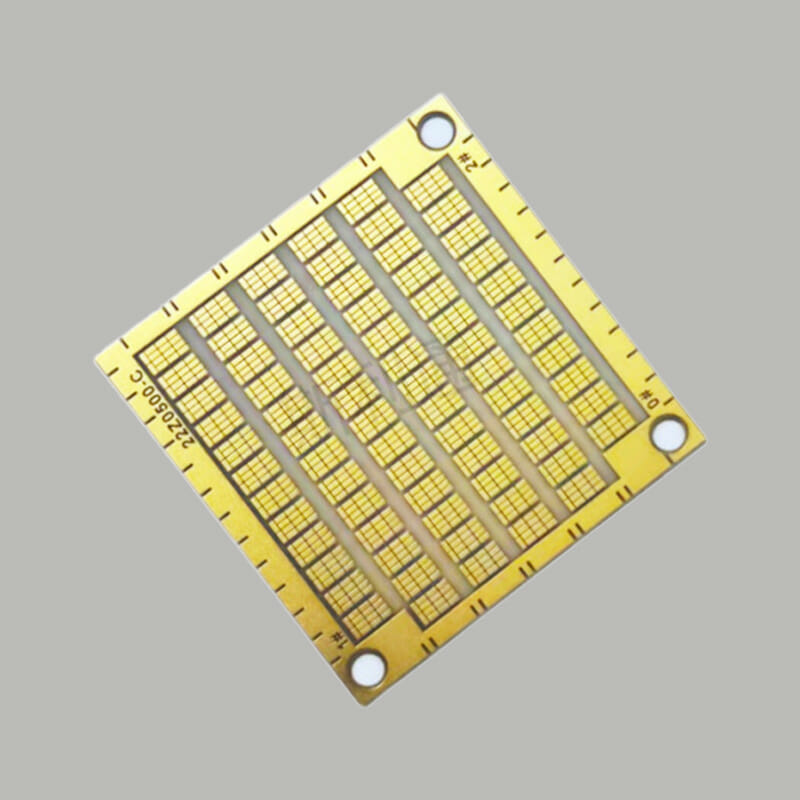
Dowiedz się więcej o laserowej obróbce podłoży ceramicznych