







zircone ceramic vs zirconia: Complete Technical Guide
For materials engineers and procurement specialists, the terminology surrounding advanced structural ceramics can often be ambiguous. The debate of zirconia ceramic vs zirconia is not merely a semantic issue. it represents the fundamental difference between a raw, unworkable chemical compound and an engineered, high-performance industrial material. In strict metallurgical and chemical terms, “zirconia” refers to raw zirconium dioxide (ZrO₂)—a compound that undergoes a catastrophic 3% to 5% volume expansion during thermal cycling, causing pure structural parts to shatter upon cooling. Conversely, “zirconia ceramic” refers to a heavily engineered, stabilized matrix (utilizing yttria, magnesia, or ceria) that leverages “transformation toughening” to achieve unprecedented fracture toughness (up to 10 MPa·m½). This guide dissects the crystallographic differences, mechanical properties. And precision processing required to turn these powders into functional components. If your application demands extreme wear resistance under high mechanical stress, selecting the right stabilized structural phase is critical. Great Ceramic specializes in mitigating the extreme hardness of these materials through usinage de précision de la céramique, delivering complex geometries with stringent ±0.005mm tolerances designed to eliminate premature assembly failures.
Propriétés des matériaux
To fully understand the engineering capacity of stabilized zirconia ceramic, it is imperative to analyze its mechanical, thermal. And electrical metrics. The data below represents Yttria-Stabilized Tetragonal Zirconia Polycrystal (3Y-TZP), the most widely deployed structural zirconia ceramic in industrial applications. Unlike pure, unstabilized zirconia. This possesses negligible structural integrity at room temperature due to spontaneous microcracking, 3Y-TZP exhibits the highest ambient-temperature strength and toughness of any monolithic advanced ceramic.
The defining characteristic shown in the table below is the fracture toughness of 9.5 MPa·m½. This extraordinary value is achieved through a stress-induced phase transformation. When a propagating crack tip exerts stress on the localized tetragonal crystal lattice, the material absorbs the energy and locally transforms into the monoclinic phase. This transformation is accompanied by a localized 4% volumetric expansion that physically clamps the crack shut, arresting further propagation. This mechanism allows zirconia ceramic to operate under impact and fatigue conditions that would typically shatter other technical ceramics.
| Propriété | Valeur | Unité |
|---|---|---|
| Densité | 6.05 | g/cm³ |
| Dureté | 1250 | HV |
| Résistance à la flexion | 1000 | MPa |
| Ténacité à la rupture | 9.5 | MPa-m½ |
| Conductivité thermique | 2.2 | W/m-K |
| Résistivité électrique | >10¹³ | Ω-cm |
| Température maximale de fonctionnement | 1000 | °C |
Comparaison avec d'autres céramiques
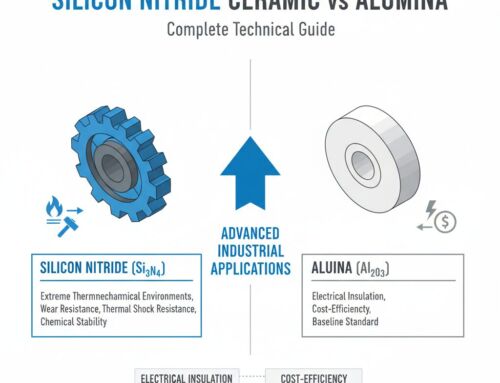
When specifying materials for extreme environments, engineers must benchmark stabilized zirconia ceramic against pure, unstabilized zirconia powder and other leading advanced ceramics. While pure zirconia is utilized primarily as a thermal barrier coating or refractory powder, engineered zircone ceramic is a structural powerhouse. Compared to alumine/”>alumine (aluminum oxide), zirconia ceramic offers nearly triple the fracture toughness and significantly higher flexural strength, making it suitable for high-impact loads where alumina would experience brittle fracture.
However, it is crucial to note thermal properties. Zirconia ceramic is an excellent thermal insulator with a very low thermal conductivity (2.2 W/m·K). If an application requires rapid heat dissipation—such as high-power semiconductor substrates—materials like nitrure d'aluminium (which boasts up to 170 W/m·K) are fundamentally superior. Meanwhile, nitrure de silicium serves as a middle ground, offering lower density (3.2 g/cm³) and superior thermal shock resistance compared to zirconia, making it ideal for high-temperature engine components. The table below quantifies these critical engineering differentials.
| Propriété | Zirconia Ceramic (3Y-TZP) | Alumine (99.5%) | Raw Zirconia (Unstabilized) | Nitrure de silicium (Si3N4) |
|---|---|---|---|---|
| Conductivité thermique | 2.2 | 30.0 | 2.0 | 25,0 – 30,0 |
| Dureté (HV) | 1250 | 1600 | N/A (Brittle) | 1500 |
| Ténacité à la rupture | 9.5 | 4.0 | <1.0 | 6.0 - 7.0 |
| Coût | Haut | Faible | Faible | Très élevé |
Applications
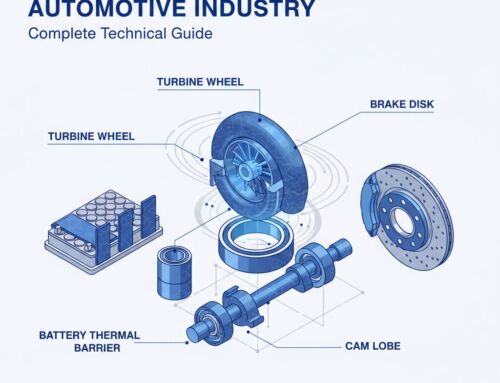
The unique combination of high density, exceptional fracture toughness, chemical inertness. And ultra-low thermal conductivity makes engineered zirconia ceramic the material of choice for the most demanding mechanical environments. When the discussion of zirconia ceramic vs zirconia arises, the following applications strictly utilize the fully stabilized, highly engineered ceramic form, as raw zirconia cannot survive the mechanical stresses described below.
- Deep-Well Oil & Gas Pump Plungers: In secondary oil recovery systems, pumps operate continuously at pressures exceeding 5,000 PSI while processing highly abrasive and corrosive slurries containing silica sand and saltwater. Zirconia ceramic plungers are selected over stainless steel or alumina because their 1250 HV hardness resists abrasive wear from particulates, while the 9.5 MPa·m½ fracture toughness prevents catastrophic catastrophic failure under intense hydraulic shock. This extends the MTBF (Mean Time Between Failures) from weeks to several years.
- High-Speed Wire Drawing Dies: The production of fine copper and steel wire requires drawing materials through dies at speeds exceeding 30 meters per second. This generates immense friction and localized heating. Zirconia ceramic is selected because its exceptionally fine grain structure (typically less than 0.5 µm) allows for a highly polished, near-frictionless surface finish (Ra < 0.05 µm). Its low coefficient of friction minimizes galling and wire scoring, significantly outperforming tungsten carbide dies in fine-gauge drawing.
- Precision Medical Dispensing Valves: In automated in-vitro diagnostic equipment, fluid dispensing valves must deliver chemical reagents with sub-microliter accuracy millions of times without degradation. Zirconia ceramic is chosen because it is biologically inert, completely resistant to corrosive chemical reagents. And can be match-ground to clearances of less than 2 microns. This tight-tolerance fit ensures zero-leakage performance without the need for elastomeric O-rings that degrade over time.
- Chemical Processing Rotary Valve Components: Rotary valves handling aggressive acids (like hydrochloric or sulfuric acid) at elevated temperatures quickly corrode exotic metal alloys like Hastelloy or titanium. Zirconia ceramic is virtually impervious to acid attack at temperatures up to 200°C. Furthermore, its structural toughness prevents the chipping and cracking that typically afflict alumina valves when subjected to the mechanical impact of closing against particulate matter.
- Battery Slurry Mixing Blades: The manufacturing of lithium-ion battery cathodes involves mixing highly abrasive powders (such as lithium cobalt oxide) into viscous slurries. Metal mixing blades introduce microscopic ferrous contamination. This causes fatal internal short-circuits in the final battery cells. Zirconia ceramic mixing blades are selected because they provide zero metallic contamination, while their superior impact resistance ensures they do not shatter under the high torque loads of the planetary mixing process.
Processus de fabrication
Transforming raw zirconium dioxide powder into a high-performance zirconia ceramic component is a complex, multi-stage metallurgical process. The distinction between zirconia ceramic vs zirconia is solidified in this workflow. Raw ZrO₂ powders are chemically doped with stabilizing oxides (like Y₂O₃) at exact molar ratios—typically 3 mol% for 3Y-TZP. These powders are then atomized into flowable agglomerates with an organic binder system (often polyvinyl alcohol) and engineered to specific surface areas (BET of 5-15 m²/g) to ensure uniform packing density. The rigorous control of this green powder directly dictates the final mechanical properties and the predictability of shrinkage during sintering.
Méthodes de formage
- Pressage isostatique à froid (CIP) : For complex or large components, the powder is sealed in an elastomeric mold and subjected to omnidirectional hydraulic pressure ranging from 200 to 300 MPa. This method ensures completely uniform isotropic density distribution throughout the green blank. This is critical for minimizing warpage during the massive shrinkage that occurs in the sintering phase.
- Uniaxial Dry Pressing: For high-volume, relatively flat components like seal rings or cutting blades, the powder is compressed in a rigid steel or carbide die along a single axis at pressures of 100 to 150 MPa. While highly efficient for mass production, this method requires strict control of the powder’s flowability to prevent density gradients.
Frittage
The sintering phase is where the raw powder scientifically transitions into a zirconia ceramic. The green compacts are slowly heated in high-temperature kilns to temperatures between 1450°C and 1550°C. A meticulously controlled thermal profile is required to safely burn out the organic binders before reaching the densification temperatures. During the peak dwell time, the ceramic particles undergo solid-state diffusion, eliminating porosity and achieving a theoretical density of up to 99.9%. Crucially, the component will experience a volumetric shrinkage of exactly 20% to 22%. The yttria stabilizer prevents the destructive tetragonal-to-monoclinic phase transformation as the kiln cools back to ambient temperature, permanently locking in the high-toughness tetragonal microstructure.
Usinage final
Because the fully sintered zirconia ceramic achieves a hardness of 1250 HV, conventional high-speed steel or carbide tooling cannot cut it. Final machining—required to achieve the tight functional tolerances demanded by engineers—must be executed using diamond abrasives. This “hard machining” phase utilizes resin-bonded or metal-bonded diamond grinding wheels, honing tools. And lapping compounds. The process is time-intensive and requires specialized rigid CNC platforms with flood coolant systems to prevent localized thermal damage to the ceramic matrix.
Avantages et limites
Avantages
- Unmatched Fracture Toughness: With values between 8.0 and 10.0 MPa·m½, zirconia ceramic absorbs impact and resists crack propagation far better than alumina, carbure de silicium, or steatite ceramics, drastically reducing the risk of sudden, catastrophic failure in structural applications.
- Résistance supérieure à l'usure : The high hardness (1250 HV0.5) combined with a fine grain microstructure (0.3 – 0.5 µm) results in exceptional resistance to abrasive sliding wear, making it an ideal replacement for hardened steel or tungsten carbide in high-friction environments.
- Thermal Insulation: Zirconia ceramic’s low thermal conductivity (2.2 W/m·K) makes it an outstanding thermal insulator. It is frequently utilized in welding nozzles and thermal standoffs to protect sensitive electronic components from adjacent high-heat sources.
- Coefficient of Thermal Expansion (CTE): The CTE of zirconia ceramic (10.3 × 10⁻⁶ /°C) is remarkably close to that of steel and cast iron. This unique property allows engineers to design tight shrink-fit assemblies between steel housings and zirconia inserts without the risk of thermal mismatch cracking over wide operating temperature ranges.
Limitations
- Low-Temperature Degradation (LTD): Also known as hydrothermal aging, 3Y-TZP can experience a spontaneous phase transformation from tetragonal to monoclinic at the surface when exposed to moisture or steam at temperatures between 200°C and 300°C. This degrades the surface strength and causes micro-cracking, limiting its use in high-temperature steam environments.
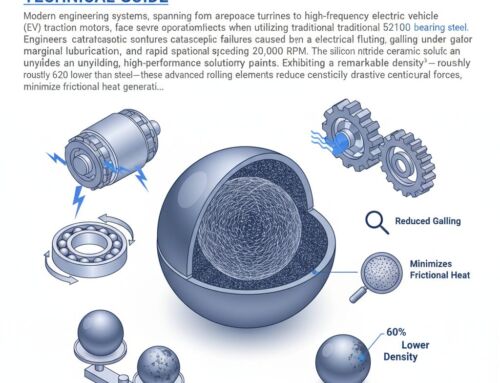
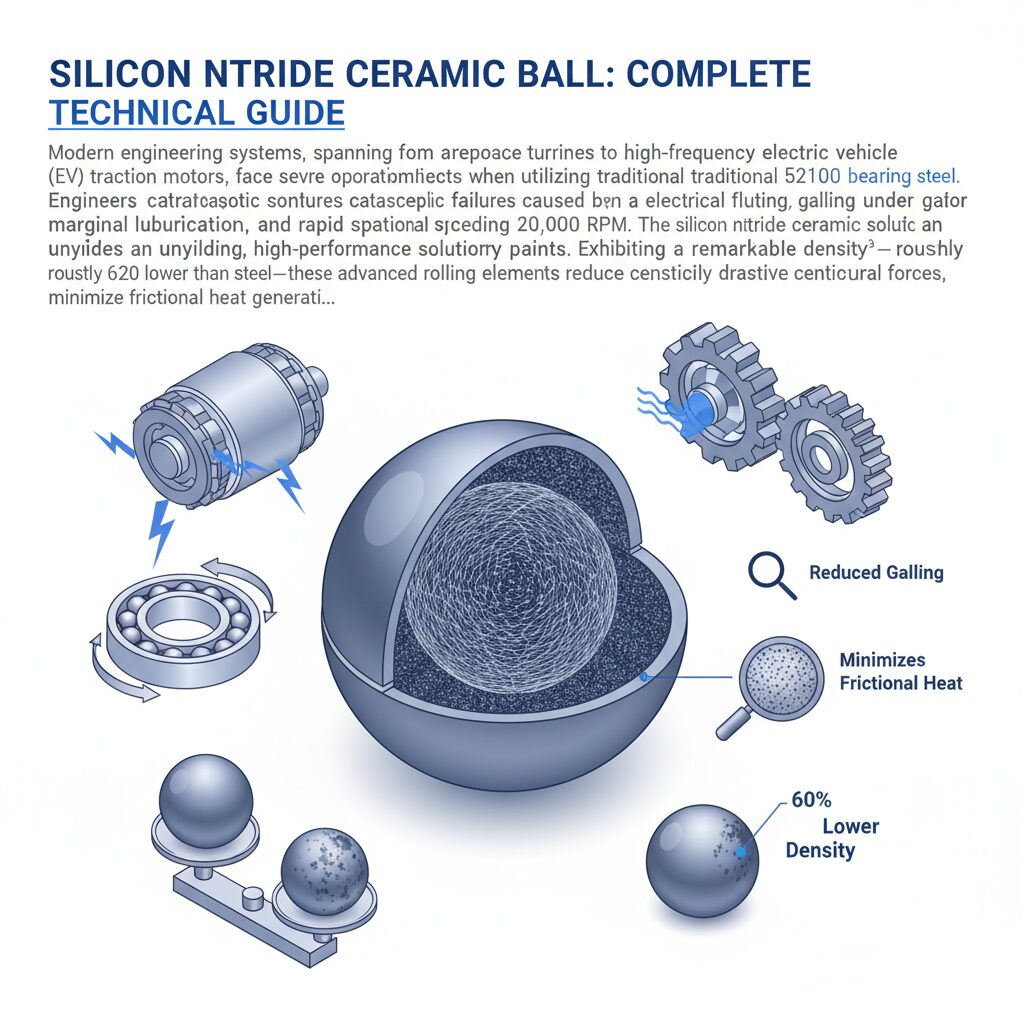
- High Mass Penalty: With a density of 6.05 g/cm³, zirconia ceramic is nearly twice as heavy as alumina (3.9 g/cm³) and silicon nitride (3.2 g/cm³). This high density limits its viability in weight-sensitive aerospace applications or high-speed reciprocating components where excessive mass increases inertial forces.
Considérations relatives à l'usinage
Addressing the machining challenges of advanced materials is paramount when translating prototypes into production realities. The very properties that make zirconia ceramic exceptional—its extreme hardness and stress-induced transformation toughening—make it notoriously difficult to machine in its sintered state. When aggressive grinding forces are applied, the specific cutting energy required can exceed 100 J/mm³. If the depth of cut exceeds the material’s ductile-to-brittle transition threshold (typically around 1 to 2 micrometers), the surface will suffer from severe micro-fracturing and sub-surface damage (SSD), drastically compromising the component’s flexural strength.
To mitigate these challenges, Great Ceramic employs state-of-the-art 5-axis CNC grinding centers equipped with high-frequency acoustic emission sensors. We utilize precision-trued, electroplated. And resin-bonded diamond wheels ranging from D46 to D91 grit sizes. Spindle speeds exceeding 20,000 RPM are paired with meticulously calculated feed rates of 10 to 50 mm/min to maintain a strictly ductile removal regime. Copious high-pressure coolant (delivered at 15 to 20 Bar) is directed precisely at the wheel-workpiece interface to flush abrasive swarf and prevent localized thermal shock. This could inadvertently trigger the tetragonal-to-monoclinic phase change on the machined surface.
Through this rigorous kinematic control and deep understanding of ceramography, Great Ceramic reliably holds complex geometric and dimensional tolerances down to ±0.005mm. Whether your design requires deep-hole micro-drilling, high-tolerance OD/ID cylindrical grinding, or optical-grade surface lapping (Ra < 0.05 µm), our specialized machining protocols ensure your zirconia ceramic components perform flawlessly upon integration. Partnering with a manufacturer that understands these exact tooling physics is the difference between a high-performance part and a failed assembly. Request an engineering review to optimize your component's manufacturability.
FAQ
What is zirconia ceramic vs zirconia?
The primary difference lies in structural viability. “Zirconia” is the raw chemical compound, zirconium dioxide (ZrO₂). Pure zirconia undergoes a destructive 3-5% volume expansion during thermal cooling due to phase changes, causing it to spontaneously shatter. “Zirconia ceramic” is the engineered material created by doping raw ZrO₂ with stabilizers like yttria (Y₂O₃) or magnesia (MgO). This stabilization locks the crystal structure into a tough, durable phase at room temperature, creating an extremely hard, fracture-resistant structural material used in advanced manufacturing.
What are the main applications of zirconia ceramic?
Due to its high fracture toughness (9.5 MPa·m½) and extreme hardness (1250 HV), zirconia ceramic is primarily utilized in high-wear, high-impact environments. Common applications include plungers for ultra-high-pressure oil and gas pumps, wire drawing dies and capstans, precision medical dispensing valves, rotary valves for aggressive chemical processing, high-performance ceramic bearings. And non-contaminating mixing blades for battery slurry production.
How does zirconia ceramic compare to other ceramics?
Zirconia ceramic is distinctly recognized for having the highest fracture toughness of all monolithic advanced ceramics, making it significantly more resistant to impacts and mechanical shocks than alumina or silicon carbide. However, it is also much denser and heavier (6.05 g/cm³). Thermally, zirconia ceramic is an excellent insulator (2.2 W/m·K), whereas materials like aluminum nitride and silicon carbide are excellent thermal conductors. Additionally, its thermal expansion coefficient closely matches that of steel, simplifying metal-to-ceramic joining.
What are the advantages of zirconia ceramic?
The core advantage is “transformation toughening”—a unique mechanism where the material structurally expands at the microscopic level around a propagating crack to physically clamp the crack closed. This results in unprecedented fracture toughness. Furthermore, zirconia ceramic provides exceptional resistance to sliding abrasive wear, extreme chemical inertness, high dielectric strength. And a thermal expansion rate that aligns well with conventional steel alloys, eliminating thermal mismatch stress in hybrid assemblies.
How is zirconia ceramic machined?
Because fully sintered zirconia ceramic achieves hardness levels far exceeding conventional metals, it must be machined using specialized diamond abrasives. The process involves high-speed CNC grinding, honing. And lapping using resin or metal-bonded diamond tools, operating under strict feed-rate controls to prevent subsurface micro-fracturing. Great Ceramic utilizes advanced 5-axis grinding centers, sophisticated tool-path optimization. And high-pressure flood coolant systems to master this complex process. We routinely deliver finished components with ultra-precision geometric tolerances down to ±0.005mm and mirror-like surface finishes (Ra < 0.05 µm).
Need custom zirconia ceramic vs zirconia parts? Contacter Great Ceramic pour des services d'usinage de précision avec des tolérances serrées, ou envoyez un courriel à l'adresse suivante [email protected].
zirconia ceramic vs zirconia is widely used in advanced ceramic applications.
En savoir plus sur Zircone Céramique Vs Zircone et nos services d'usinage céramique de précision.