






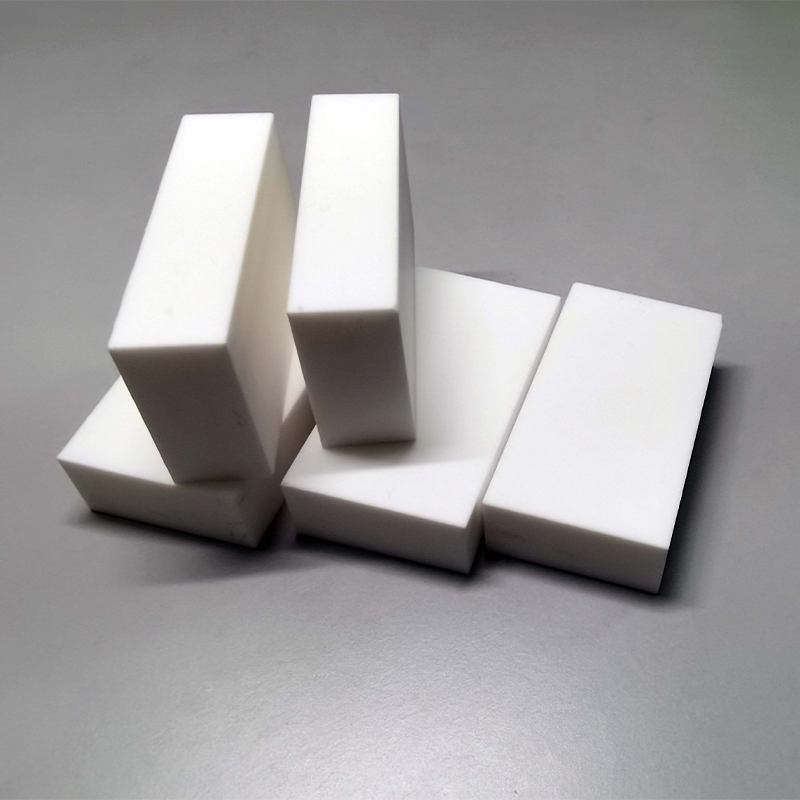
Why Machinable Ceramics Matter

In modern industrial manufacturing, materials must endure high temperatures, chemical exposure, and mechanical stress—all while maintaining dimensional precision. Traditional ceramics excel in these areas, but once sintered, they are extremely hard and brittle, making post-processing difficult and costly.

Machinable ceramic materials overcome this challenge. They are engineered to be shaped with conventional tools, reducing manufacturing complexity while maintaining the desirable physical and thermal properties of ceramics.

Great Ceramic, an industry leader in technical and machinable ceramics, specializes in producing precision components using advanced ceramic machining methods. The company’s materials and processes enable cost-effective, high-performance solutions for professional engineers and industrial procurement teams.

Machinable ceramic materials

What Are Machinable Ceramic Materials?

Machinable ceramics are hybrid materials that combine ceramic and glassy phases, allowing for easier cutting, drilling, or milling using standard carbide or diamond tools.

Typical machinable ceramics include:

  • Macor® (Glass-mica composite)

  • Boron Nitride (BN)

  • AlN-BN composites

  • Steatite

  • Pre-sintered Alumina and Zirconia

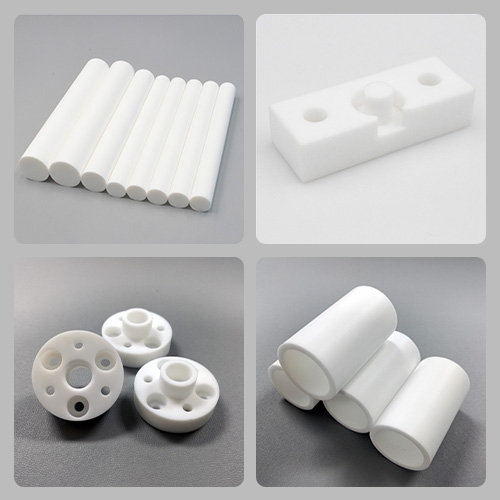
At Great Ceramic, these materials are offered in custom shapes, semi-finished blanks, and precision-machined parts, designed for easy integration into high-demand applications.

Key Properties and Advantages

Property Description
Thermal Stability Operates reliably up to 1000°C or more
Electrical Insulation Excellent dielectric properties
Corrosion Resistance Withstands acids and harsh gases
Lightweight and Strong High strength-to-weight ratio
Low Thermal Expansion Excellent dimensional stability
Machinability Can be processed with standard tools

These features make machinable ceramics indispensable for high-tech industries—especially energy applications, semiconductors, and precision instrumentation.

How to Machine Ceramic Material

Machining Basics

When learning how to machine ceramic material, understanding its microstructure is crucial. Unlike metals, ceramics fracture rather than deform under stress. Controlled cutting parameters and proper tooling ensure precision and surface quality.

Tips for successful machining:

  • Use diamond or carbide tools

  • Maintain low feed rate and steady cutting speed

  • Apply coolant or air to avoid heat buildup

  • Avoid vibration through stable fixture setups

Machining Processes

Common machining techniques for ceramics include:

  • Turning and Milling: Producing cylinders and complex geometries

  • Drilling: Creating holes in insulating or thermal control components

  • Grinding: For tight tolerances and surface finishing

  • Ultrasonic and Laser Machining: For advanced microstructures

Great Ceramic combines CNC precision with proprietary grinding processes, achieving surface finishes up to Ra 0.2 μm and tolerances within ±0.01 mm.

Advanced Methods of Machining Ceramic Materials for Energy Applications

Energy and power sectors demand components that resist corrosion, high voltage, and extreme temperature cycling. Great Ceramic utilizes innovative machining technologies for this field:

  • CNC Diamond Machining:Ideal for fully sintered ceramics like AlN or ZrO₂, this method ensures smooth, chip-free surfaces.

  • Ultrasonic-Assisted Machining:Vibration-assisted tools reduce friction and enable precision shaping of brittle materials like BN and Al₂O₃.

  • Hybrid Laser Machining:Combines laser pre-treatment with precision milling—used for solid oxide fuel cells, power modules, and heat spreaders.

  • Post-Machining Treatments:Processes like annealing and surface sealing eliminate residual stresses and enhance reliability for high-performance energy applications.

Cost Efficiency and Economic Benefits of Machinable Ceramics

While advanced ceramics often appear more expensive upfront, machinable ceramics significantly reduce overall manufacturing costs.

Reduced Tooling and Processing Time

Traditional ceramics require sintering before grinding or EDM shaping, leading to longer production cycles. Machinable ceramics, on the other hand, can be:

  • Machined before sintering, saving costly finishing steps

  • Produced in small batches without complex molds

  • Customized quickly for prototype and R&D applications

Lower Scrap Rates and Better Yield

Due to easier shaping, fewer defects occur during manufacturing. This leads to higher yield rates, especially in precision parts such as thermal isolators, insulators, and electronic substrates.

Cost-Effective for Low-Volume Orders

For industries with frequent design changes—like aerospace or semiconductors—machinable ceramics from Great Ceramic provide unmatched flexibility and lower setup costs compared to fully sintered ceramics.

Quality Control and Inspection in Machining Ceramic Materials

Precision machining of ceramics demands strict quality control. Great Ceramic implements multi-stage inspection systems to guarantee the highest consistency and performance.

Dimensional Accuracy

Using CMM (Coordinate Measuring Machines), every component is verified to sub-micron accuracy. High-precision inspection ensures dimensional repeatability for large-volume orders.

Surface and Structural Integrity

After machining, non-destructive testing (NDT) such as ultrasonic inspection and microscopic analysis detect internal microcracks or surface defects.

Thermal and Electrical Testing

Each batch undergoes:

  • Thermal shock resistance evaluation

  • Dielectric strength measurement

  • Thermal expansion verification

This rigorous inspection framework ensures that every machinable ceramic from Great Ceramic meets or exceeds international standards such as ASTM, ISO, and MIL-spec.

Great Ceramic: Expertise and Global Reach

As a trusted machinable ceramics manufacturer, Great Ceramic integrates research, machining, and quality assurance into one seamless process.

Capabilities

  • CNC precision machining

  • Custom design and rapid prototyping

  • Material engineering consultation

  • ISO-certified quality control

Industries Served

  • Energy and Power Systems

  • Aerospace Engineering

  • Semiconductor Equipment

  • Medical Device Manufacturing

With over a decade of experience, Great Ceramic ensures every product meets the toughest demands of industrial engineers and global procurement teams.

Ceramic Material for Machining: Application Selection Guide

Application Recommended Material Benefit
Power Modules Aluminum Nitride (AlN) High thermal conductivity
Electrical Insulators Macor® Easy machining and good dielectric strength
High-Wear Parts Zirconia Exceptional toughness
Vacuum Components Boron Nitride Excellent non-wetting property
Energy Systems Si₃N₄ / AlN-BN Stability at high temperature

Great Ceramic assists clients with material selection, optimizing thermal, mechanical, and electrical performance.

Future Trends in Machinable Ceramics

As industries demand higher energy efficiency and more compact designs, machinable ceramics continue to evolve.
Key trends include:

  • 3D printing of machinable ceramics for customized components

  • Laser-assisted hybrid manufacturing for complex energy systems

  • AI-based predictive machining to improve yield and precision

Great Ceramic invests continuously in R&D, developing sustainable materials and energy-efficient machining processes to serve global technology markets.

Machinable Ceramics: Where Durability Meets Machinability

Machinable ceramic materials are revolutionizing precision engineering by combining ceramic durability with metal-like processability.

With expertise in how to machine ceramic material, Great Ceramic provides cutting-edge solutions that meet industrial needs for performance, cost-efficiency, and quality assurance.

Whether you’re designing prototypes, upgrading energy systems, or sourcing reliable ceramic components—Great Ceramic delivers the precision and reliability that today’s advanced industries demand.

Contact Us Today

Ready to bring your ceramic designs to life?
Contact Great Ceramic for custom ceramic machining solutions that meet your application’s highest standards.