









Alumina Density
In the world of advanced ceramics, alumina (Al₂O₃) stands as one of the most widely used and technically essential materials. Its superior mechanical strength, thermal stability, and electrical insulation make it indispensable in industrial, electronic, and engineering applications. Among its many properties, alumina density plays a critical role in determining its overall performance and suitability for specific uses.
At Great Ceramic, we specialize in manufacturing and supplying high-performance alumina ceramics, designed for industries that demand durability, precision, and high-temperature reliability. This article will explore the density of alumina, its relationship with Al₂O₃ aluminum oxide structure, and compare it with related materials such as aluminum nitride (AlN).

What Is Alumina?
Alumina, also known by its chemical formula Al₂O₃, is a compound of aluminum and oxygen. It occurs naturally as the mineral corundum, which is the crystalline form of aluminum oxide. Depending on its purity and structure, alumina can exhibit a range of densities and mechanical properties.
-
Chemical formula: Al₂O₃
-
Molecular weight: 101.96 g/mol
-
Crystal structure: Rhombohedral
-
Density (Al₂O₃ density): Typically 3.9–3.98 g/cm³
At Great Ceramic, we manufacture high-purity alumina ceramics with tightly controlled microstructures to achieve optimal density, strength, and reliability.
Understanding Alumina Density
Definition of Density
Density is defined as the mass of a material per unit volume (g/cm³). In ceramics, density indicates the level of compactness of particles within the structure. Higher density generally means fewer pores, higher mechanical strength, and improved resistance to wear and corrosion.
Typical Alumina Densities
The alumina density depends on its purity and sintering conditions. Below are the typical ranges:
| Alumina Type | Purity (%) | Density (g/cm³) | Applications | Remarks |
| 85% Alumina | 85 | 3.4 – 3.6 | General industrial components, furnace tubes, insulating supports | Cost-effective; suitable for moderate mechanical and electrical applications |
| 90% Alumina | 90 | 3.6 – 3.7 | Structural parts, wear-resistant plates, and refractory linings | Balanced performance; good hardness and corrosion resistance |
| 95% Alumina | 95 | 3.7 – 3.85 | Pump seals, valves, bearings, and mechanical components | High mechanical strength and improved density uniformity |
| 99% Alumina | 99 | 3.9 – 3.95 | Electrical insulators, sensor housings, precision substrates | Excellent dielectric strength and chemical stability |
| 99.5% Alumina | 99.5 | 3.94 – 3.97 | Semiconductor components, vacuum fittings, analytical devices | Near-theoretical density; low porosity and high precision |
| 99.8% Alumina | 99.8 | 3.96 – 3.98 | High-performance electronics, medical devices, aerospace parts | Maximum density and purity; ideal for demanding thermal and electrical conditions |
High-purity alumina (≥99%) exhibits near-theoretical density, ensuring superior performance in structural, electrical, and thermal applications.
Relationship Between Alumina Density and Performance
The density of alumina directly affects its physical and mechanical characteristics:
-
Mechanical Strength: Denser alumina offers higher flexural and compressive strength.
-
Thermal Conductivity: With fewer pores, heat transfer efficiency improves.
-
Electrical Insulation: High density reduces leakage currents, ideal for electronic substrates.
-
Corrosion and Wear Resistance: Dense materials resist chemical attack and abrasion better.
At Great Ceramic, our sintering and hot-pressing technologies ensure consistent density and microstructural uniformity across every batch.
Comparing Alumina with Aluminum Nitride
While alumina is the most common ceramic oxide, aluminum nitride (AlN) represents a complementary material with unique properties.
-
AlN chemical name: Aluminum nitride
-
AlN formula: AlN
-
Crystal structure: Wurtzite-type hexagonal
-
Aluminum nitride melting point: Approx. 2200°C
-
Density: 3.26 g/cm³
The melting point of AlN and its excellent thermal conductivity (170–200 W/m·K) make it a strong competitor in electronic packaging and heat dissipation components.
Key Differences Between Al₂O₃ and AlN
| Property | Alumina (Al₂O₃) | Aluminum Nitride (AlN) |
| Chemical composition | Aluminum oxide | Aluminum nitride |
| Density (g/cm³) | 3.9–3.98 | 3.26 |
| Melting point (°C) | ~2050 | ~2200 |
| Thermal conductivity (W/m·K) | 25–35 | 170–200 |
| Electrical insulation | Excellent | Excellent |
| Thermal expansion (CTE) | 8.2 ×10⁻⁶ /K | 4.5 ×10⁻⁶ /K |
From this comparison, alumina ceramic provides superior hardness and wear resistance, while aluminum nitride is preferred where high thermal conductivity and low alumina CTE mismatch are required.
The Significance of Alumina Density in Ceramic Manufacturing
Influence on Sintering and Microstructure
During sintering, alumina particles bond together under high temperature. Achieving near-theoretical Al₂O₃ density (3.98 g/cm³) requires precise control of:
-
Powder purity and particle size
-
Temperature and holding time
-
Atmosphere (air, vacuum, or reducing environment)
Insufficient sintering can lead to porosity, reducing strength and electrical insulation.
Quality Control at Great Ceramic
Great Ceramic utilizes advanced isostatic pressing and vacuum sintering technologies to ensure:
-
Uniform density distribution
-
Reduced internal stresses
-
Enhanced grain boundary integrity
Each alumina component undergoes density measurement, microstructural inspection, and CTE testing before shipment.
Applications of High-Density Alumina Ceramics
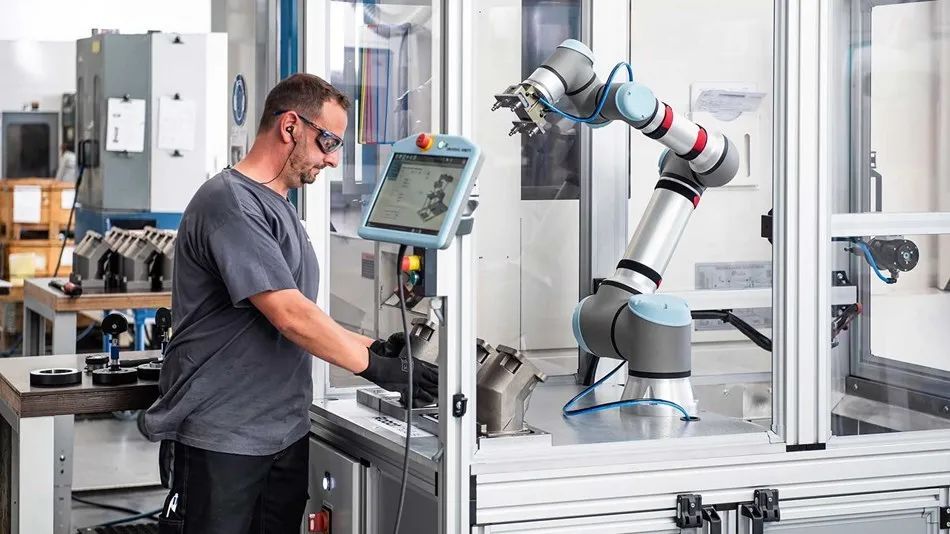
Because of their superior physical and thermal stability, high-density alumina ceramics are used across multiple industries.


The Role of CTE (Coefficient of Thermal Expansion) in Alumina Ceramics
The alumina CTE (Coefficient of Thermal Expansion) typically ranges between 7.5 ×10⁻⁶ and 8.5 ×10⁻⁶ /K. This parameter determines how the material expands with temperature changes.
Maintaining a low and stable CTE is vital when alumina is used alongside metals or semiconductors. Mismatched expansion rates can lead to stress or failure in bonded assemblies.
At Great Ceramic, we match the CTE of alumina with compatible metals such as molybdenum and tungsten to ensure stable performance in electronic packaging and vacuum devices.
Why Choose Great Ceramic for Alumina Components
Material Expertise
With years of experience in Al₂O₃ aluminum oxide and aluminum nitride manufacturing, Great Ceramic offers unmatched technical knowledge in powder preparation, sintering, and machining.
Consistent Density and Purity
Our products achieve near-theoretical alumina density, ensuring high strength and dimensional accuracy. Every batch is quality-tested for density uniformity and CTE stability.
Custom Engineering Solutions
We provide tailored designs, including:
-
Custom dimensions and tolerances
-
Complex geometries and fine polishing
-
Composite alumina–AlN solutions for hybrid performance
Global Supply and Reliability
From electronic ceramics to mechanical components, Great Ceramic delivers consistent, high-quality materials trusted by global manufacturers and research institutions.
Alumina Density Testing Methods
Accurate measurement of alumina density is critical for maintaining quality and consistency. At Great Ceramic, we employ several standardized testing techniques:
-
Archimedes’ Principle: Measures the apparent and bulk density by immersing the sample in a fluid.
-
Gas Pycnometry: Determines true density by measuring the gas displacement in a sealed chamber.
-
Mercury Porosimetry: Evaluates open porosity and correlates it with bulk density.
-
Microscopic Analysis: Inspects microstructure for pore distribution and grain boundary density.
By combining these techniques, we ensure that every alumina Al₂O₃ product meets the exacting standards required by industrial and electronic applications.
Future Trends in Alumina and Aluminum Nitride Ceramics
As industries move toward miniaturization, higher energy efficiency, and extreme working environments, both alumina and aluminum nitride ceramics continue to evolve.
Enhanced Composite Materials
Hybrid materials such as aluminum oxide nitride composites are being developed to integrate the strength of alumina with the thermal conductivity of AlN — offering balanced performance for next-generation electronics.
Advanced Manufacturing Techniques
New processes like additive manufacturing (3D printing) and spark plasma sintering (SPS) are enabling the production of high-density, complex alumina components with improved precision and lower energy consumption.
Sustainable Production
Great Ceramic is committed to environmentally responsible ceramic manufacturing — optimizing sintering efficiency, recycling raw materials, and minimizing emissions while maintaining superior Al₂O₃ density control.
Frequently Asked Questions
Conclusion
The density of alumina is a defining factor in its performance across industrial and electronic applications. Achieving near-theoretical density ensures superior mechanical, electrical, and thermal stability — qualities essential in today’s demanding manufacturing environments.
At Great Ceramic, we specialize in producing high-density alumina ceramics (Al₂O₃) and aluminum nitride ceramics (AlN) with precision and consistency. Our materials are trusted by engineers and procurement professionals worldwide for their reliability, purity, and advanced performance.
If you are sourcing high-quality alumina ceramic components with optimized density and CTE, Great Ceramic is your trusted partner in advanced ceramic solutions.