








Silicon Nitride Ceramic Plate for Chemical Industry: The Ultimate Technical Guide
In the demanding landscape of modern chemical engineering, materials are constantly pushed to their absolute limits. Traditional metals and polymers often fail when exposed to the combination of high temperatures, corrosive reagents. And mechanical stress. This is where the silisyum nitrür ceramic plate for chemical applications emerges as a transformative solution. As a leading provider of advanced technical ceramics, Great Ceramic specializes in the precision manufacturing and CNC machining of silicon nitride components designed to withstand the most hostile environments known to industry.
Silicon Nitride (Si3N4) is a non-oxide technical ceramic known for its unique combination of high toughness, exceptional thermal shock resistance. And superb chemical inertness. Unlike many other ceramics that are brittle or sensitive to temperature fluctuations, silicon nitride maintains its structural integrity across a wide range of operational parameters. For chemical processing, where downtime is costly and safety is paramount, silicon nitride plates offer a level of reliability that few other materials can match.
Understanding Silicon Nitride: Atomic Structure and Material Science
The performance of a silicon nitride ceramic plate for chemical use is rooted in its atomic structure. Silicon nitride is characterized by strong covalent bonding between silicon and nitrogen atoms. This creates a complex crystal lattice that is incredibly difficult to deform. The most common form used in high-performance industrial applications is beta-silicon nitride. This features elongated grains that act as a reinforcing “microstructure,” effectively arresting crack propagation and giving the material its signature toughness.
There are several methods used to produce silicon nitride plates, including Sintered Silicon Nitride (SSN), Gas Pressure Sintered Silicon Nitride (GP-SN). And Hot Pressed Silicon Nitride (HPSN). For the chemical industry, GP-SN and HPSN are often preferred due to their high density and minimal porosity. This prevents the “seepage” of corrosive fluids into the body of the ceramic.
Technical Properties of Silicon Nitride Ceramic Plates
To understand why silicon nitride is the premier choice for chemical processing equipment, one must examine its physical and thermal properties. The following table provides a detailed breakdown of the technical specifications of high-purity silicon nitride used by Great Ceramic.
| Mülkiyet | Birim | Value (GPSN/HPSN) |
|---|---|---|
| Yoğunluk | g/cm³ | 3.20 – 3.26 |
| Eğilme Dayanımı (Oda Sıcaklığı) | MPa | 700 – 900 |
| Kırılma Tokluğu (K1c) | MPa·m¹/² | 6.0 – 8.0 |
| Sertlik (Vickers) | GPa | 15 - 18 |
| Termal İletkenlik | W/(m-K) | 20 – 30 |
| Termal Genleşme Katsayısı | 10⁻⁶/°C | 3.2 |
| Maksimum Çalışma Sıcaklığı | °C | 1200 (oxidizing) / 1400 (inert) |
| Dielektrik Dayanım | kV/mm | 15 - 20 |
One of the standout features in this table is the low coefficient of thermal expansion combined with high thermal conductivity. This specific ratio gives silicon nitride the highest thermal shock resistance of any technical ceramic. In a chemical reactor where cold reagents might be injected into a hot vessel, a silicon nitride ceramic plate will not crack or fail, unlike alumina or Zirkonya.
Chemical Resistance Profile
When selecting a silicon nitride ceramic plate for chemical applications, the primary concern is often its resistance to corrosion. Silicon nitride is inherently stable against a vast array of acids, bases. And molten metals. However, it is essential to understand the nuances of its chemical behavior.
Resistance to Acids
Silicon nitride shows excellent resistance to most common industrial acids, including sulfuric acid (H2SO4), hydrochloric acid (HCl). And nitric acid (HNO3). Because the material is non-porous (when produced via GPSN or HPSN), there is no capillary action to pull acids into the material. This prevents internal degradation. The only major exception is hydrofluoric acid (HF) and hot phosphoric acid. This can attack the grain boundary phases of the ceramic.
Resistance to Alkalis
While many ceramics struggle in high pH environments, silicon nitride remains relatively stable. It can withstand exposure to sodium hydroxide (NaOH) and potassium hydroxide (KOH) at moderate temperatures. However, at extremely high temperatures (above 150°C), concentrated alkalis may begin to etch the surface, a factor that must be considered during the system design phase.
Oksidasyon Direnci
In oxygen-rich chemical environments, silicon nitride forms a thin, protective layer of silicon dioxide (SiO2) on its surface. This “passive” layer acts as a barrier, preventing further oxygen diffusion into the material. This allows the ceramic plate to operate continuously at temperatures up to 1200°C without significant weight loss or structural weakening.
Key Applications in the Chemical Industry
The versatility of the silicon nitride ceramic plate for chemical processing allows it to be used in various critical components. Below are the primary sectors where these plates provide significant value.
1. Chemical Reactor Linings and Wear Plates
Inside chemical reactors, materials are subjected to high-velocity flows of abrasive particles and corrosive fluids. Silicon nitride plates are used as protective liners and wear plates to shield the reactor shell. Their high hardness ensures a long service life even in slurry transport, while their chemical inertness ensures that no contaminants are leached into the chemical product.
2. Heat Exchanger Components
Efficient heat transfer is vital in chemical synthesis. Because silicon nitride has respectable thermal conductivity and can withstand extreme temperature gradients, it is used to manufacture plates for heat exchangers. These plates can handle aggressive cooling media or heating agents that would destroy stainless steel or graphite exchangers.
3. Mechanical Seals and Valve Seats
Chemical pumps and valves require sealing materials that do not deform under pressure or corrode. Silicon nitride ceramic plates are precision-machined into valve seats and seal rings. The material’s low coefficient of friction and high wear resistance reduce the need for frequent maintenance and prevent leakage of hazardous chemicals.
4. Semiconductor Chemical Vapor Deposition (CVD)
In the manufacture of semiconductors, silicon nitride plates are used as wafer carriers or chamber components during CVD processes. In this application, the high purity of the ceramic is critical, as any metallic impurities could ruin the semiconductor chips. Silicon nitride’s ability to withstand plasma erosion and high-temperature corrosive gases makes it indispensable.
5. Catalyst Supports
High-surface-area structures often require a stable base. Silicon nitride plates can be perforated or machined into complex geometries to serve as supports for precious metal catalysts in high-temperature gas-phase reactions.
Manufacturing and CNC Machining of Silicon Nitride Plates
Creating a high-quality silicon nitride ceramic plate for chemical use requires more than just high-purity raw materials. it requires specialized manufacturing and machining expertise. Great Ceramic utilizes state-of-the-art technology to ensure that every plate meets the rigorous tolerances required by the chemical industry.
Sintering Methods
The journey begins with high-purity silicon nitride powder. This is mixed with sintering additives (such as yttria or alumina). The powder is then pressed into a “green” shape.
- Gas Pressure Sintering (GPS): This is the most common method for chemical plates. It involves sintering the ceramic under high nitrogen pressure. This prevents the decomposition of the material at high temperatures and ensures a high-density, pore-free structure.
- Hot Pressing (HP): This involves applying heat and uniaxial pressure simultaneously. This produces the strongest and most dense plates, though it is typically limited to simpler geometries.
Precision CNC Machining
Once the ceramic is fired (sintered), it becomes incredibly hard—reaching 15-18 GPa on the Vickers scale. At this stage, it can no longer be machined using traditional steel or carbide tools. Great Ceramic employs specialized diamond-tooling CNC machining to achieve the required dimensions.
- Elmas Taşlama: We use high-precision diamond grinding wheels to achieve flat surfaces with sub-micron roughness (Ra). This is essential for plates used in mechanical seals where a liquid-tight fit is required.
- Ultrasonic Machining (USM): For complex holes, slots, or channels within the silicon nitride plate, USM is used. This process uses ultrasonic vibrations and abrasive slurry to “erode” the ceramic without inducing micro-cracks or thermal stress.
- Laser Cutting and Drilling: For thinner plates, high-powered lasers can be used to cut intricate patterns or drill precision holes for chemical sensors.
- Lepleme ve Parlatma: To reach an optical-grade finish, plates undergo multi-stage lapping. This reduces surface defects that could serve as initiation points for chemical corrosion.
Toleranslar ve Kalite Kontrol
In chemical engineering, a difference of 0.01mm can mean the difference between a secure seal and a catastrophic leak. Great Ceramic provides tolerances as tight as ±0.005mm on critical dimensions. Each silicon nitride ceramic plate for chemical use undergoes rigorous inspection, including ultrasonic flaw detection and coordinate measuring machine (CMM) verification, to ensure it meets the client’s exact specifications.
Comparing Silicon Nitride with Other Ceramics
When designing chemical equipment, engineers often choose between Alümina (Al2O3), Zirconia (ZrO2), Silicon Carbide (SiC). And Silicon Nitride (Si3N4). Here is why Silicon Nitride often comes out on top:
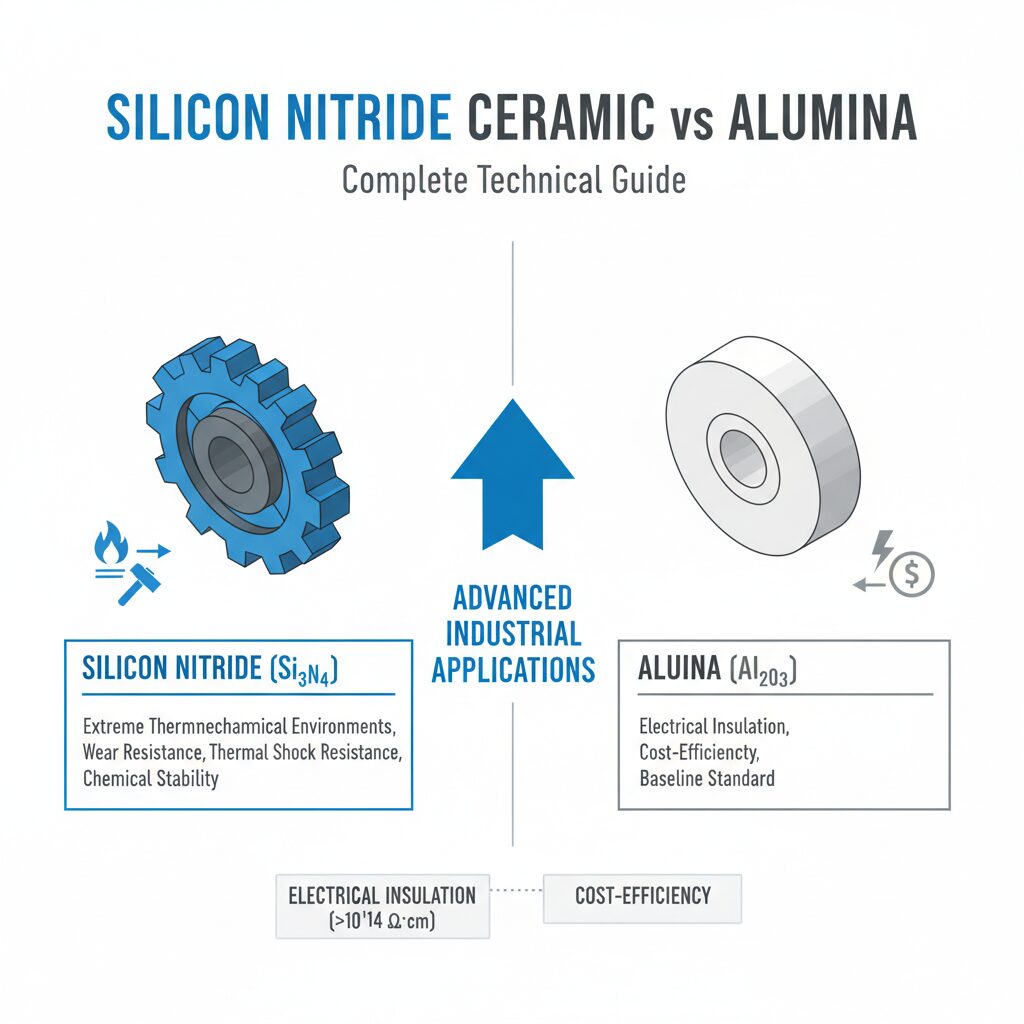
- Karşı. Alümina: While Alumina is cheaper, it has poor thermal shock resistance and lower toughness. Silicon Nitride is much more durable in dynamic temperature environments.
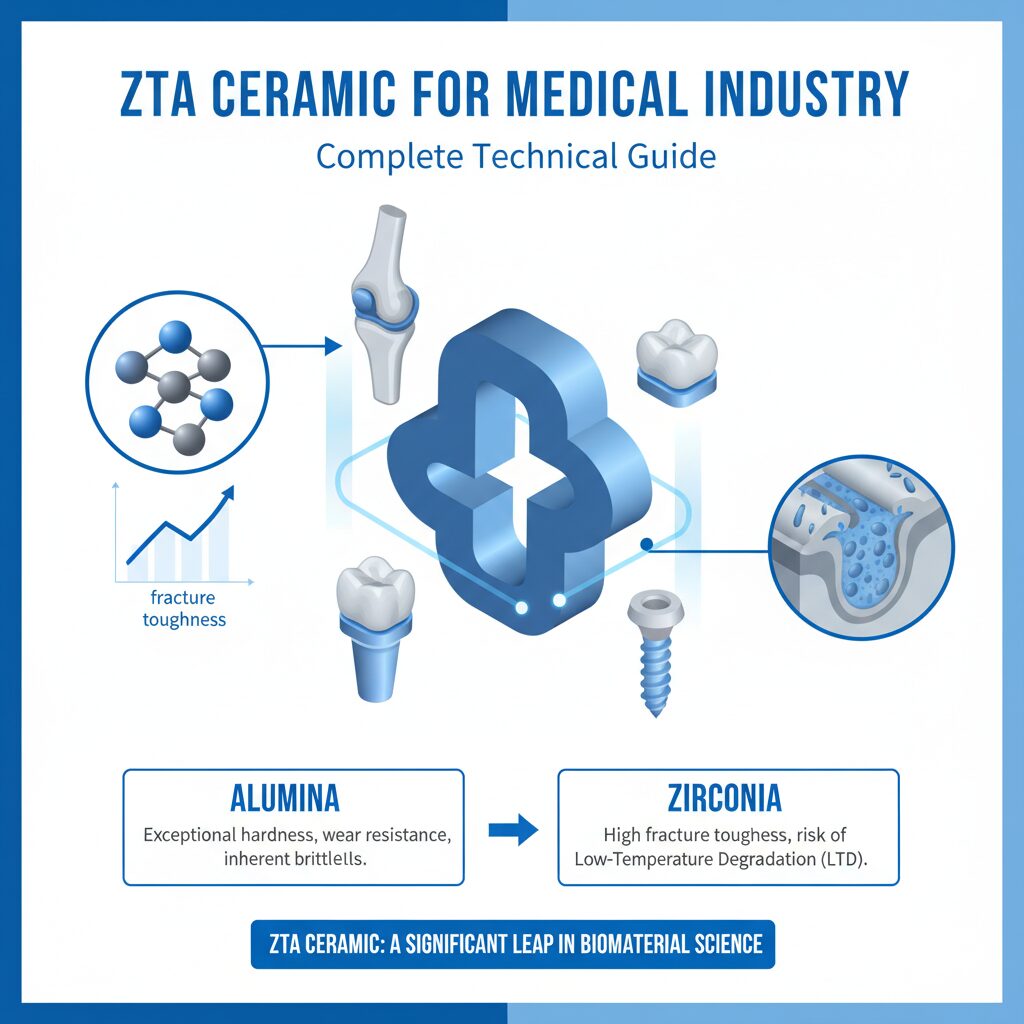
- Vs. Zirconia: Zirconia has high toughness but suffers from “low-temperature degradation” in the presence of water vapor (steam). Silicon Nitride remains stable in both dry and hydrothermal conditions.
- Karşı. Silisyum Karbür: Silicon Carbide is harder and more thermally conductive, but it is also much more brittle. Silicon Nitride’s superior fracture toughness makes it less likely to fail catastrophically under mechanical impact or vibration.
Mühendisler için Tasarım Hususları
To maximize the lifespan of a silicon nitride ceramic plate for chemical applications, several design principles should be followed:
1. Avoid Sharp Corners: Ceramics are sensitive to stress concentrations. Whenever possible, design plates with radiused edges and filleted corners to distribute mechanical loads more evenly.
2. Consider the Mounting: Because ceramics have different thermal expansion rates than metals, the mounting system must allow for differential expansion. Using flexible gaskets or spring-loaded clamps can prevent the plate from cracking as the system heats up.
3. Surface Finish: For applications involving high-pressure fluids, specify a high-polish finish. A smoother surface reduces the turbulence of the fluid and minimizes the “grip” that corrosive agents have on the material surface.
FAQ: Silicon Nitride Ceramic Plates for Chemical Use
What is the maximum temperature a silicon nitride plate can handle?
In an oxidizing atmosphere, silicon nitride can be used up to 1200°C. In an inert or vacuum environment, it can withstand temperatures as high as 1400°C before significant degradation occurs.
Can silicon nitride withstand hydrofluoric acid?
No. Like most silicon-based materials, silicon nitride is susceptible to attack by hydrofluoric acid (HF). For HF applications, alternative materials like specialized plastics or certain nickel alloys may be required, although they lack the structural strength of Si3N4.
Is silicon nitride electrically conductive?
No, silicon nitride is an excellent electrical insulator. This makes it ideal for chemical processes that involve electrolysis or where electrical isolation of sensors is required within a corrosive fluid stream.
How does the price of silicon nitride compare to stainless steel?
Silicon nitride is significantly more expensive than stainless steel initially. However, in aggressive chemical environments where steel fails in weeks or months, the ceramic plate can last for years. The total cost of ownership is often lower due to reduced downtime and replacement costs.
Can Great Ceramic produce custom shapes?
Yes. While we refer to them as “plates,” we can CNC machine silicon nitride into complex 3D geometries, including curved surfaces, stepped profiles. And plates with internal cooling channels.
The Future of Silicon Nitride in Chemical Synthesis
As the chemical industry moves toward “Green Chemistry” and more efficient, high-temperature catalytic processes, the demand for high-performance materials is increasing. Silicon nitride is at the forefront of this shift. Its ability to enable reactions at higher temperatures and pressures—without contaminating the product—is key to developing the next generation of pharmaceuticals, advanced polymers. And clean energy fuels.
Furthermore, the integration of silicon nitride plates into micro-reactor technology is a growing trend. These small-scale, high-efficiency reactors rely on the material’s ability to be machined with extreme precision to create micro-fluidic channels that can handle highly exothermic reactions safely.
Neden Great Ceramic'i Seçmelisiniz?
At Great Ceramic, we understand that the chemical industry leaves no room for error. Our silicon nitride ceramic plates are manufactured using the highest quality raw materials and the most advanced sintering techniques. Our expertise in CNC machining allows us to deliver components that meet the most exacting standards of the global chemical and semiconductor industries.
We provide comprehensive support, from material selection and design consultation to final production and quality testing. Whether you need a single prototype plate for a R&D project or high-volume production for a global manufacturing plant, Great Ceramic has the technical capability to deliver.
Özel siparişler için Great Ceramic ile iletişime geçin serami̇k i̇şleme uygulamanıza özel çözümler.
silicon nitride ceramic ceramic plate for chemical is widely used in advanced ceramic applications.