








Kimyasal için Silisyum Nitrür Seramik Bilye: Komple Teknik Kılavuz
Agresif endüstriyel ortamlarda, standart metalik sıvı taşıma bileşenlerinin bozulması, feci sistem arızalarına, planlanmamış arıza sürelerine yol açar. Ve ciddi bakım masrafları. A silisyum nitrür kimyasal için seramik bilye uygulamaları, sektörün bu kalıcı sorunlarına mühendislik ürünü bir çözüm sunar. Geleneksel 316L paslanmaz çelik, Hastelloy. Ve hatta PTFE kaplı bileşenler bile çukurlaşma ve aşınmadan muzdariptir. Ve yüksek korozif asitlere, alkalilere maruz kaldığında hızlı aşınma. Ve 150°C'nin üzerinde çalışan bulamaç karışımları. Kimya mühendisleri, Si3N4'ün kovalent bağından ve yoğun mikro yapısından yararlanarak galvanik korozyonu ortadan kaldırabilir ve metal eşdeğerlerine göre 10 ila 15 kata kadar daha uzun çalışma ömrü elde edebilir. Bu kapsamlı teknik kılavuzda mekanik parametreler, tribolojik avantajlar. Ve bu gelişmiş kürelerin üretim karmaşıklıkları. Great Ceramic'de, ±0,005 mm'lik katı çap toleranslarına ve Ra 0,01 µm'ye kadar yüzey kaplamalarına sahip bileşenler sunarak yüksek hassasiyetli mühendislik konusunda uzmanız. Akışkan kontrol sistemleriniz tavizsiz dayanıklılık gerektiriyorsa, gelişmiş hassas serami̇k i̇şleme yetenekleri, sızıntısız kimyasal işleme için gerekli olan tam boyutsal doğruluğu sunar.
Malzeme Özellikleri
Silisyum nitrür seramik bilyenin kimyasal yönlendirme için operasyonel üstünlüğü doğrudan temel malzeme biliminden kaynaklanmaktadır. Oksit seramiklerin aksine, silisyum nitrür ağırlıklı olarak birbirine kenetlenmiş, iğne benzeri beta-faz (β-Si3N4) kristal oluşumunda güçlü bir kovalent bağ yapısı ile karakterize edilen oksit olmayan bir bileşiktir. Bu özel mikro yapı, malzemenin olağanüstü kırılma tokluğundan sorumludur. Bu değer tipik olarak 6.0 ila 8.0 MPa-m½ arasında kaydedilir. Bu değer, standart teknik seramiklerden önemli ölçüde daha yüksektir ve kürenin yüksek basınçlı kimyasal dozaj pompalarındaki hidrolik şokları ve sıvı çekiç etkilerini parçalanmadan veya mikro çatlama olmadan absorbe etmesini sağlar.
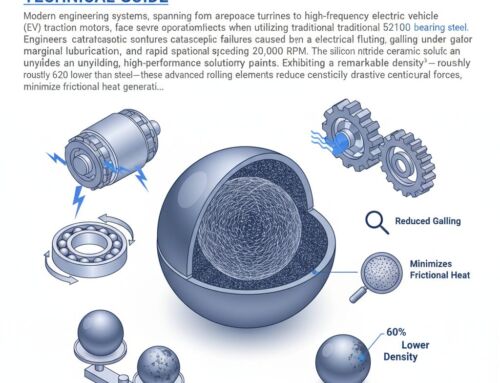
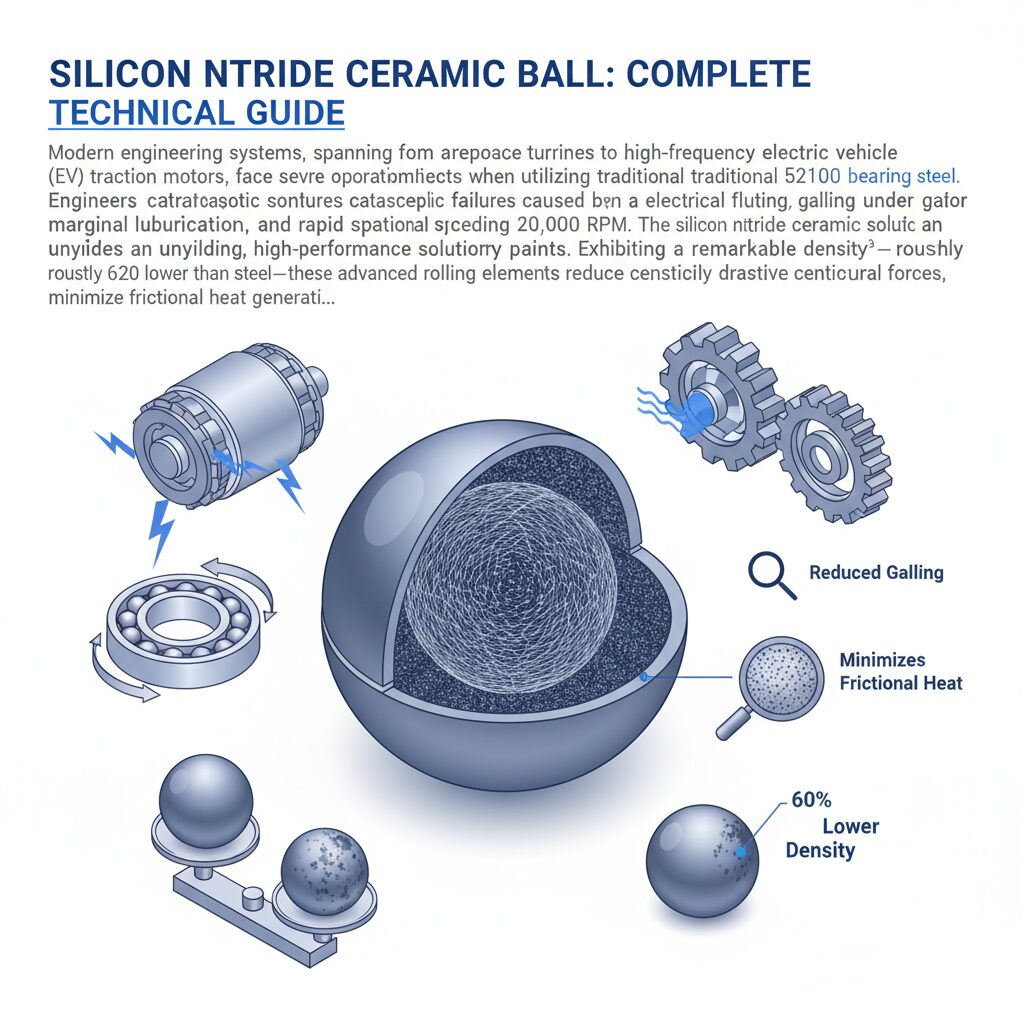
Ayrıca, bu malzemenin yoğunluğu 3,20 ila 3,25 g/cm³ ile oldukça düşüktür - standart çeliğin (7,8 g/cm³) yoğunluğunun yarısından az ve zirkonyadan (6,0 g/cm³) önemli ölçüde daha hafiftir. Çek valfler ve akış ölçerler gibi dinamik kimyasal uygulamalarda bu düşük kütle, atalet kuvvetlerini 60%'ye kadar azaltarak daha hızlı tepki süreleri ve daha az oturma yeri aşınması sağlar. Ve vanayı harekete geçirmek için daha düşük minimum basınç farkları. Termal olarak, malzeme yaklaşık 3,2 x 10-⁶/°C'lik oldukça kararlı bir termal genleşme katsayısı (CTE) sergiler. Bu boyutsal kararlılık, 800°C'yi aşan dalgalı sıcaklıklarda kimyasallar işlenirken bile bilyenin hassas küreselliğini ve çap toleransını korumasını sağlar.
| Mülkiyet | Değer | Birim |
|---|---|---|
| Yoğunluk | 3.20 - 3.25 | g/cm³ |
| Sertlik | 1500 - 1700 | HV |
| Eğilme Dayanımı | 800 - 1000 | MPa |
| Kırılma Tokluğu | 6.0 - 8.0 | MPa-m½ |
| Termal İletkenlik | 20 – 30 | W/m-K |
| Elektriksel Dirençlilik | > 10^14 | Ω-cm |
| Maksimum Çalışma Sıcaklığı | 1000 - 1200 | °C |
Diğer Seramiklerle Karşılaştırma
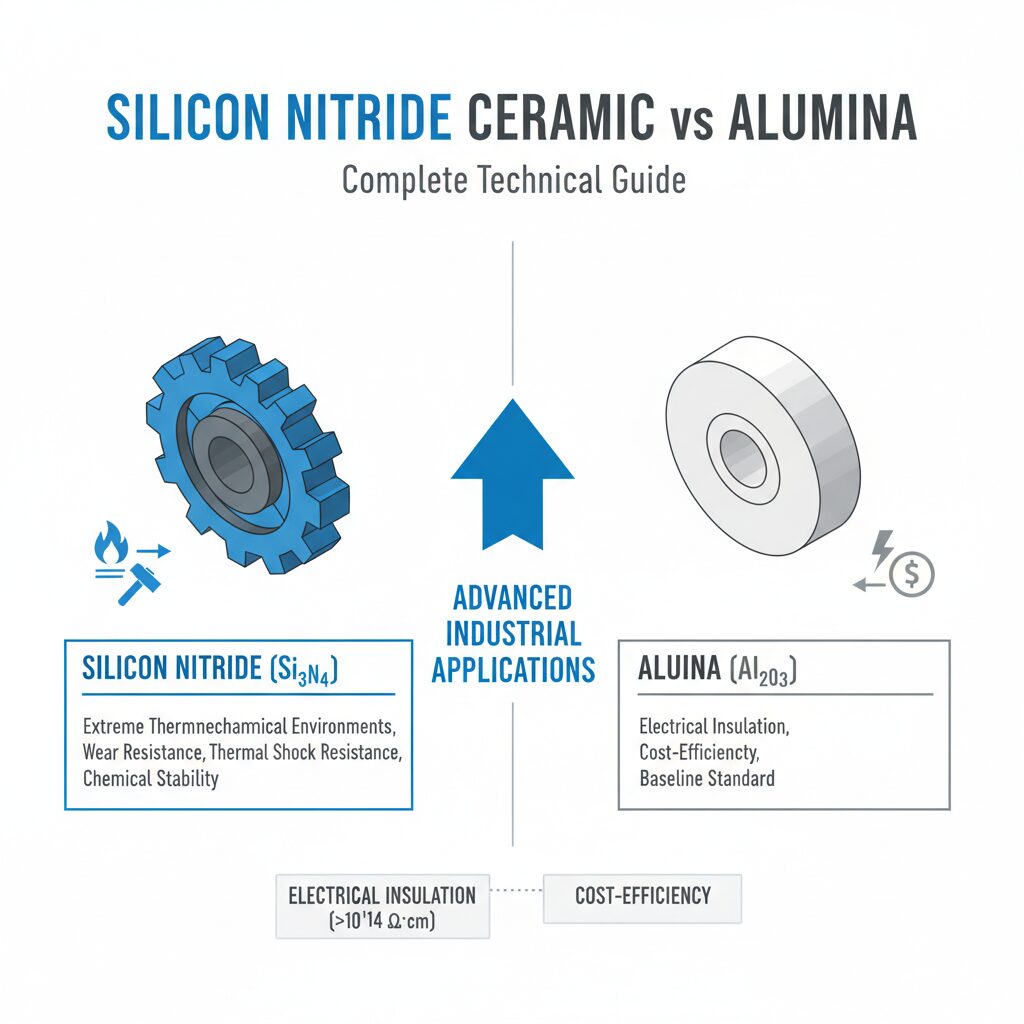
Zorlu kimyasal işlemler için rulman veya valf malzemeleri seçerken, mühendislik ekipleri Si3N4'ü diğer gelişmiş teknik seramiklere karşı değerlendirmelidir. alümina/”>Alümina (Al2O3) düşük maliyeti ve kabul edilebilir aşınma direnci nedeniyle temel uygulamalar için sıklıkla tercih edilir. ancak kırılma tokluğu ciddi şekilde sınırlıdır (3,0 ila 4,0 MPa-m½), bu da onu darbeli yükleme veya şiddetli termal şok (ΔT > 250°C) altında yıkıcı arızaya duyarlı hale getirir. Buna karşılık, kimyasal kullanım için bir silisyum nitrür seramik bilye, yapısal bozulma olmaksızın 600°C'yi aşan ani sıcaklık değişimlerine dayanabilir.
Zirkonya (ZrO2), özellikle Yttria Stabilize Zirkonya (Y-TZP), dönüşüm sertleşmesi yoluyla mükemmel kırılma tokluğu (10,0 MPa-m½'ye kadar) sunar. Ancak Zirkonya, sıcak sulu kimyasal ortamlara (tipik olarak 150°C ile 300°C arasında) maruz kaldığında düşük sıcaklıkta bozunmaya (LTD) veya hidrotermal yaşlanmaya karşı oldukça hassastır. Bu durum mikro çatlamalara ve yüzey dökülmelerine yol açan kontrolsüz bir faz dönüşümüne neden olarak yüksek sıcaklıkta buhar veya ıslak kimyasal yönlendirme için tamamen uygunsuz hale getirir. Alternatif olarak, silisyum karbür (SiC) üstün sertlik (2800 HV'ye kadar) ve aşırı termal iletkenlik (120 W/m-K) sunar, ancak düşük kırılma tokluğu (4,0 MPa-m½) Si3N4'e kıyasla son derece kırılgan olmasını sağlar.
Aşağıdaki matriste, hedef bileşen (gelişmiş Gaz Basıncı Sinterleme kullanılarak üretilmiştir) standart ticari Alümina, Zirkonya kaliteleri ile karşılaştırılmaktadır. Ve genel Reaksiyon Bağlantılı Silikon Nitrür (RBSN). Yüksek oranda yoğunlaştırılmış hedef bileşenin zorlu akışkan kontrol uygulamaları için en dengeli mekanik profili sağladığı açıktır.
| Mülkiyet | Kimyasal için Silikon Nitrür Seramik Top | Alümina | Zirkonya | Silisyum Nitrür |
|---|---|---|---|---|
| Termal İletkenlik | 25 W/m-K | 30 W/m-K | 2,5 W/m-K | 15 W/m-K |
| Sertlik | 1600 HV | 1500 HV | 1200 HV | 1000 HV |
| Kırılma Tokluğu | 7,5 MPa-m½ | 3,5 MPa-m½ | 9,0 MPa-m½ | 3,5 MPa-m½ |
| Maliyet | Yüksek | Düşük | Orta | Orta |
Uygulamalar
- Diyaframlı Pompa Çek Valfleri: 98% sülfürik asit (H2SO4) veya sodyum hipoklorit (NaClO) gibi son derece agresif ortamlarla çalışan pozitif deplasmanlı pompalarda metal bilyalar hızlı çukurlaşmaya maruz kalır. Si3N4'ün aşırı kimyasal inertliği ve hassas ±0,005 mm küreselliği, 150 bar'ı aşan basınçlarda bile 98%'nin üzerinde hacimsel verimliliği koruyarak sıfır sızıntılı oturma sağlar.
- Manyetik Tahrikli Pompa Rulmanları: Keçesiz manyetik tahrikli pompalar genellikle sıfır yağlama sağlayan tehlikeli uçucu organik bileşikleri (VOC'ler) işler. Si3N4'ün düşük sürtünme katsayısı (0,1 ila 0,2), bu rulmanların kuru çalışma koşullarında uzun süreler boyunca aşınma veya lokal ısı oluşumu olmadan dayanmasını sağlayarak yıkıcı pompa arızalarını önler.
- Coriolis Kütle Akış Ölçerler: Yüksek hassasiyetli ölçüm, minimum atalet ve yüksek boyutsal kararlılığa sahip bileşenlere dayanır. Si3N4'ün düşük yoğunluğu (3,20 g/cm³) bilyenin sıvı akışı değişikliklerine anında tepki vermesini sağlayarak yüksek viskoziteli kimyasal bulamaçların ölçüm doğruluğunu artırırken asılı partiküllerden kaynaklanan aşındırıcı aşınmaya karşı direnç gösterir.
- Yüksek Basınçlı Homojenizatör Valfleri: Akışkanların 2.000 bar'a (30.000 PSI) kadar basınçlarda mikro boşluklardan geçmeye zorlandığı kimyasal homojenizasyonda, kavitasyon kuvvetleri standart paslanmaz çeliği saatler içinde tahrip eder. Bu malzemenin yüksek kırılma tokluğu (7,5 MPa-m½) kavitasyon erozyonuna karşı direnç göstererek sıkı valf geometrisini korur ve tutarlı partikül boyutu küçültme sağlar.
- Kimyasal Reaktörlerde Döner Bağlantılar: 350°C'de çalışan sıcak, aşındırıcı ısı transfer sıvılarını (Therminol veya Dowtherm gibi) aktaran döner bağlantılar, ortam yağlamalı rulmanlar gerektirir. Si3N4 hem yüksek sıcaklık ortamına hem de akışkanın aşındırıcı doğasına dayanırken, son derece düşük termal genleşmesi termal yük altında rulman kanallarının bağlanmasını önler.
Üretim Süreci
Kimyasal uygulamalar için hatasız, yüksek toleranslı silisyum nitrür seramik bilye üretmek, sıkı metalürjik kontrol ve gelişmiş ısıl işlem gerektirir. Metallerin aksine. Silisyum nitrür, belirli sinterleme yardımcılarıyla (yttria, Y2O3 ve alümina, Al2O3 gibi) karıştırılmış yüksek saflıkta alfa fazlı silisyum nitrür (α-Si3N4) tozundan sentezlenmelidir. Bu tozun tamamen yoğun, hassas işlenmiş bir küreye dönüştürülmesi, oldukça hesaplanmış bir hacimsel azaltma ve aşındırıcı mekanik şekillendirme dizisini içerir.
Şekillendirme Yöntemleri
- Soğuk İzostatik Presleme (CIP): Granüle toz, esnek bir elastomerik kalıba yerleştirilir ve tipik olarak 200 ila 300 MPa (29.000 ila 43.500 PSI) arasında eşit hidrostatik basınca tabi tutulur. Bu çok yönlü basınç, son derece homojen bir yeşil gövde yoğunluğu sağlayarak sonraki fırınlama aşamasında anizotropik büzülmeyi en aza indirir.
- Kalıp Presleme / Tek Eksenli Presleme: Daha küçük çaplı küreler için toz, sert çelik veya tungsten karbür kalıplarda 50 ila 100 MPa basınçlarda sıkıştırılır. Daha hızlı ve daha ekonomik olmakla birlikte, bu yöntem yoğunluk gradyanlarına neden olabilir. bu nedenle, CIP yüksek performanslı kimyasal sınıf bileşenler için kesinlikle tercih edilir.
Sinterleme
Yeşil küreler Gaz Basıncı Sinterleme (GPS) işlemine tabi tutulur. Silisyum nitrür 1850°C'nin üzerindeki sıcaklıklarda silisyum ve nitrojen gazına ayrışır. Malzeme ayrışması olmadan tam yoğunlaştırma elde etmek için GPS, 1700°C ila 1850°C arasında değişen sıcaklıklarda basınçlı nitrojen atmosferinde (10 MPa veya 100 bar'a kadar) gerçekleştirilir. Bu sıvı faz sinterleme işlemi sırasında, alfa fazı tozu sinterleme yardımcıları tarafından oluşturulan sıvı faz içinde çözünür ve uzun beta fazı (β-Si3N4) tanelerinin birbirine kenetlenmiş bir ağı olarak yeniden çökelir. Bu özel tane morfolojisi, malzemenin üstün kırılma tokluğunun doğrudan kaynağıdır. Elde edilen sinterlenmiş boşluklar teorik yoğunluğun > 99%'sine ulaşır.
Son İşleme
Sinterlenmiş bileşen 1600 HV sertliğe sahip olduğundan, standart çelik veya karbür kesici takımlar tamamen etkisizdir. İşlenmemiş parçalar, elmas süper aşındırıcıların kullanıldığı titiz, çok aşamalı bir aşındırıcı işleme protokolüne tabi tutulur. Süreç, temel dış çapı belirlemek için kaba merkezsiz taşlama ile başlar ve 0,5 mm'ye kadar malzeme çıkarılır. Bunu, bor karbür (B4C) veya kaba elmas bulamaçları (örneğin, 15 µm ila 9 µm kum) kullanılarak ters dönen dökme demir plakalar arasında gevşek aşındırıcı lepleme takip eder. Son işlem aşamasında, <0,01 µm yüzey pürüzlülüğü (Ra) ve Sınıf 5 (G5) veya Sınıf 3 (G3) standartlarına uygun küresellik toleransları elde etmek için poliüretan veya sentetik zift pedleri üzerinde ince elmas süspansiyonları (0,25 µm'ye kadar) kullanılır. Bu hassasiyet seviyesi, tam olarak şu ürünlerimiz aracılığıyla sunduğumuz şeydir hassas serami̇k i̇şleme hizmetler.
Avantajlar ve Sınırlamalar
Avantajlar
- Olağanüstü Kimyasal İnertlik: Si3N4, konsantre hidroklorik asit (HCl), sülfürik asit (H2SO4), nitrik asit (HNO3) dahil olmak üzere çoğu ciddi kimyasal maddeye karşı tamamen reaktif değildir. Ve 1 ila 14 pH aralığında sodyum hidroksit (NaOH) gibi güçlü alkaliler. Bu, malzemenin çözünmesini ve kimyasal ürünün kirlenmesini önler.
- Üstün Aşınma Direnci: Sertliği 1600 HV'yi aşan bu ürün, aşındırıcı bulamaç ortamlarında metal ve polimerlere kıyasla çok daha uzun ömürlüdür. Asılı kristal katılar içeren sıvılarla çalışırken, bilye mükemmel küresel geometrisini koruyarak çek valflerde ters akış sızıntısını önler.
- Termal Şok Direnci: Düşük ısıl genleşme katsayısı (3,2 x 10-⁶/°C) ve nispeten yüksek ısıl iletkenliği (25 W/m-K) sayesinde, ekzotermik kimyasal parti reaksiyonları için gerekli olan ısıl gerilim kırıklarının yayılması olmadan ani sıcaklık düşüşlerine (ΔT 600°C'ye kadar) dayanabilir.
- Safra Direnci ve Düşük Sürtünme: Yüksek derecede parlatılmış Si3N4'ün kendisine veya metale karşı kinematik sürtünme katsayısı oldukça düşüktür (0,10 ila 0,15). Yağlanmamış veya az yağlanmış sıvı ortamlarında, paslanmaz çelik bileşenleri rahatsız eden yapışkan aşınmasını (galling) ve mikro kaynağı tamamen ortadan kaldırır.
Sınırlamalar
- Hidroflorik Aside Karşı Hassasiyet: Silisyum nitrürün birincil kimyasal zayıflığı hidroflorik asit (HF) ve sıcak fosforik aside (H3PO4) olan duyarlılığıdır. HF, silikon bağlarını aktif olarak parçalayarak malzemenin hızla çözülmesine yol açar. HF uygulamaları için alternatif malzemeler belirlenmelidir.
- Yüksek Üretim Maliyetleri: Yüksek saflıkta sentetik tozların gerekliliği nedeniyle, aşırı sıcaklıkta Gaz Basıncı Sinterleme. Ve uzun süreli elmas alıştırma işlemleri nedeniyle, ilk tedarik maliyeti tipik olarak alümina veya paslanmaz çelik bileşenlerden 3 ila 5 kat daha yüksektir.
İşleme ile İlgili Hususlar
Sinterlenmiş bir işlenmemiş parçadan bitmiş yüksek hassasiyetli bir bileşene geçiş, sahadaki nihai performansı belirler. Kimyasal yönlendirme için bir silikon nitrür seramik bilyeyi bu kadar cazip kılan aşırı sertlik ve kırılma tokluğu, aynı zamanda işlenmesini de zorlaştırmaktadır. Geleneksel işleme ölçütleri geçerli değildir. Bunun yerine, üreticiler hassas lepleme kinematiğine güvenmelidir. 0,005 mm'lik bir çap toleransı ve 0,13 µm'lik bir küresellik (Sınıf 5) elde etmek için, lepleme makineleri, lepleme plakalarının termal genleşmesinin taşlama geometrisini değiştirmesini önlemek için sıkı çevresel sıcaklık kontrollerini (±1°C) sürdürmelidir.
Alıştırma işlemi sırasında, üst plakaya uygulanan spesifik basınç (genellikle 1,5 ila 3,0 kg/cm² arasında) ve dönme hızı (tipik olarak 40 ila 100 RPM) dinamik olarak ayarlanmalıdır. Basınç çok yüksekse, yüzey altı mikro çatlama meydana gelir. Bu, kürenin yuvarlanma teması yorulma ömrünü önemli ölçüde azaltır. Basınç çok düşükse, malzeme kaldırma oranı ekonomik olmayan seviyelere düşer. Great Ceramic, sıfır alt yüzey hatası sağlamak için ultrasonik tahribatsız test (NDT) ile birlikte tescilli çok eksenli elmas lepleme kinematiği kullanarak bu zorlukları aşar. Ayrıca, geometrik sapmaları nanometre ölçeğine kadar çözebilen gelişmiş Talyrond küresellik ölçüm cihazları kullanıyoruz.
Aşağıda, Great Ceramic'nin nihai işleme sırasında bağlı kaldığı katı geometrik gereklilikleri gösteren, seramik küreler için standartlaştırılmış bir tolerans tablosu yer almaktadır:
| Sınıf Standardı (ISO 3290) | Küresellik Toleransı (µm) | Çap Toleransı (µm) | Yüzey Pürüzlülüğü, Ra (µm) |
|---|---|---|---|
| 3. Sınıf (G3) | 0.08 | ± 0.08 | 0.008 |
| 5. Sınıf (G5) | 0.13 | ± 0.13 | 0.014 |
| 10. Sınıf (G10) | 0.25 | ± 0.25 | 0.020 |
| Sınıf 24 (G24) | 0.60 | ± 0.60 | 0.032 |
FAQ
Kimyasal için silisyum nitrür seramik bilye nedir?
Kimyasal uygulamalar için silisyum nitrür seramik bilye, yoğun Si3N4'ten üretilen yüksek mühendislik ürünü, hassas bindirmeli küresel bir bileşendir. Öncelikle çek valfler, yatak kanalları gibi kritik sıvı işleme sistemlerinde kullanılır. Ve akış ölçerler, sert agresif kimyasallar, yüksek sıcaklıklar. Ve aşındırıcı çamurlar, geleneksel metalik bileşenlerin korozyon, safra veya şiddetli aşınma nedeniyle arızalanmasına neden olur.
Kimyasal için silisyum nitrür seramik bilyenin ana uygulamaları nelerdir?
Birincil uygulamalar yüksek performanslı akışkan kontrol mekanizmalarını kapsar. Bunlar arasında havayla çalışan çift diyaframlı (AODD) pompalardaki ve kimyasal dozaj pompalarındaki çek valf bilyaları, manyetik tahrikli sızdırmaz pompalardaki yuvarlanma elemanları, Coriolis kütle akış ölçerlerdeki dahili yanıt bileşenleri yer almaktadır. Ve yüksek basınçlı homojenizatörlerde ve kimyasal reaktör döner bağlantılarında aşınmaya dayanıklı sızdırmazlık bileşenleri. Sıfır sızıntı ve yüksek güvenilirliğin tartışılmaz olduğu yerlerde kesinlikle belirtilirler.
Kimyasal için silisyum nitrür seramik bilye diğer seramiklerle nasıl karşılaştırılır?
Diğer teknik seramiklerle karşılaştırıldığında, silisyum nitrür en yüksek kırılma tokluğu (8,0 MPa-m½'ye kadar) ve termal şok direnci (ΔT > 600°C) kombinasyonunu sunar. Aynı zamanda alümina daha uygun maliyetli olmasına rağmen oldukça kırılgandır ve termal kırılmaya eğilimlidir. Zirkonya benzer tokluk sunar ancak düşük sıcaklıkta bozulma (LTD) nedeniyle sıcak ve ıslak ortamlarda ciddi şekilde bozulur. Si3N4, kimyasal inertlikten ödün vermeden aşırı mekanik esneklik sağlayarak bu boşluğu doldurur.
Kimyasal için silisyum nitrür seramik bilyenin avantajları nelerdir?
Temel avantajları arasında galvanik korozyona ve çoğu asit ve bazın (Hidroflorik asit hariç) kimyasal saldırısına karşı mutlak direnç yer alır. Ayrıca, düşük yoğunluğu (3,2 g/cm³) atalet kuvvetlerini ve vana gevezeliğini azaltır, yüksek sertliği (1600 HV) aşındırıcı bulamaç aşınmasına karşı benzersiz bir direnç sağlar. Ve düşük sürtünme katsayısı, kuru çalışma veya yetersiz yağlanmış sıvı işleme koşullarında safra oluşumunu önleyerek arızalar arasındaki ortalama süreyi (MTBF) önemli ölçüde artırır.
Kimyasal işleme için silisyum nitrür seramik bilye nasıl işlenir?
Bu bileşenlerin işlenmesi özel elmas süper aşındırıcı teknolojiler gerektirir. Süreç, kaba merkezsiz taşlamadan, dökme demir ve poliüretan plakalar arasında bor karbür ve ince elmas süspansiyonları kullanılarak çok aşamalı gevşek aşındırıcı leplemeye geçer. Yüzey altı mikro çatlamalara neden olmadan malzemenin çıkarılması, lepleme basıncının ve hızının hassas bir şekilde kontrol edilmesini gerektirir. Great Ceramic, ±0,005 mm'lik çap toleranslarına ve ISO Sınıf 5 standartlarına uygun küreselliğe sahip küreleri rutin olarak üretmek için son teknoloji hassas lepleme altyapısından yararlanır.
Kimyasal parçalar için özel silikon nitrür seramik bilyeye mi ihtiyacınız var? Great Ceramic ile iletişime geçin dar toleranslara sahip hassas işleme hizmetleri için veya e-posta [email protected].
kimyasal için silisyum nitrür seramik bilye, gelişmiş seramik uygulamalarında yaygın olarak kullanılmaktadır.
Hakkında daha fazla bilgi edinin Kimyasal İçin Silikon Nitrür Seramik Top ve hassas seramik işleme hizmetlerimiz.