








Vetroceramica lavorabile a macchina: guida tecnica completa
Per gli ingegneri e i team di ricerca e sviluppo che devono affrontare tempi di consegna lunghi e costi elevati per gli stampi associati alla ceramica tradizionale cotta, la vetroceramica lavorabile rappresenta una soluzione materiale fondamentale. Il principale punto critico nel settore delle ceramiche tecniche avanzate è la necessità di una rettifica al diamante post-sinterizzazione per ottenere tolleranze strette. Ciò comporta un aumento intrinseco sia dei costi che dei tempi di prototipazione. La vetroceramica lavorabile elimina completamente questo collo di bottiglia. Composto da circa 55% di mica fluoroflogopite incorporata in una matrice di vetro borosilicato 45%, questo composito altamente specializzato consente la lavorazione diretta a controllo numerico (CNC) utilizzando utensili standard per la lavorazione dei metalli, senza necessità di cottura o sinterizzazione post-lavorazione. Great Ceramic sfrutta le proprietà microstrutturali uniche di questo materiale per realizzare geometrie complesse con un’eccezionale stabilità dimensionale. Utilizzando centri CNC multiasse all’avanguardia, raggiungiamo regolarmente tolleranze di produzione estremamente strette pari a ±0,005 mm. Che la vostra applicazione richieda compatibilità con il vuoto ultra-alto (UHV), porosità zero o resistenza termica continua fino a 800 °C, la vetroceramica lavorabile offre una versatilità senza pari. Invia oggi stesso i tuoi file CAD a Great Ceramic per accelerare il ciclo di prototipazione e ridurre drasticamente i costi legati alla progettazione di precisione.
Proprietà dei materiali
Il valore ingegneristico della vetroceramica lavorabile deriva dal suo profilo termomeccanico e dielettrico altamente specializzato. A differenza delle ceramiche tecniche policristalline tradizionali, l’esclusiva matrice in vetro-mica arresta attivamente la propagazione delle crepe in presenza di sollecitazioni meccaniche, consentendo al materiale di essere tagliato anziché rettificato. Il materiale presenta una microstruttura a porosità zero, garantendo ermeticità assoluta e zero degassamento in ambienti con pressione inferiore a 10⁻¹⁰ torr. Dal punto di vista termico, mantiene l’integrità strutturale a temperature di esercizio continue di 800 °C, con picchi di esposizione transitoria ammissibili fino a 1000 °C. Con un coefficiente di espansione termica (CTE) pari a 9,3 × 10⁻⁶ /°C (misurato da 20 °C a 300 °C), si avvicina molto al CTE di molti metalli strutturali, tra cui i vetri di tenuta e il titanio. E il Kovar, rendendolo ideale per guarnizioni ermetiche di passaggio abbinate. Dal punto di vista elettrico, è un isolante eccezionale, con una costante dielettrica di 6,03 a 1 kHz, un fattore di dissipazione di appena 0,004 a 1 MHz e una resistenza dielettrica impressionante di 40 kV/mm in corrente continua.
| Proprietà | Valore | Unità |
|---|---|---|
| Densità | 2.52 | g/cm³ |
| Durezza | 250 | HV |
| Resistenza alla flessione | 94 | MPa |
| Resistenza alla frattura | 1.53 | MPa-m½ |
| Conducibilità termica | 1.46 | W/m-K |
| Resistività elettrica | >10^16 | Ω-cm |
| Temperatura massima di lavoro | 800 | °C |
Dal punto di vista meccanico, gli ingegneri devono tenere conto di un modulo di elasticità pari a 66,9 GPa e di un modulo di taglio pari a 25,5 GPa, oltre a un coefficiente di Poisson pari a 0,29. Sebbene la sua resistenza alla flessione (94 MPa) e alla compressione (345 MPa) siano significativamente inferiori rispetto alle ceramiche tecniche sinterizzate convenzionali, la sua lavorabilità unica compensa queste limitazioni meccaniche nelle applicazioni non portanti. Il materiale presenta un’eccezionale stabilità dimensionale, il che significa che i pezzi lavorati con una tolleranza di ±0,005 mm a temperatura ambiente (25 °C) manterranno geometrie precise senza deformazioni dovute a tensioni residue quando sottoposti a cicli operativi ad alta temperatura.
Confronto con altre ceramiche
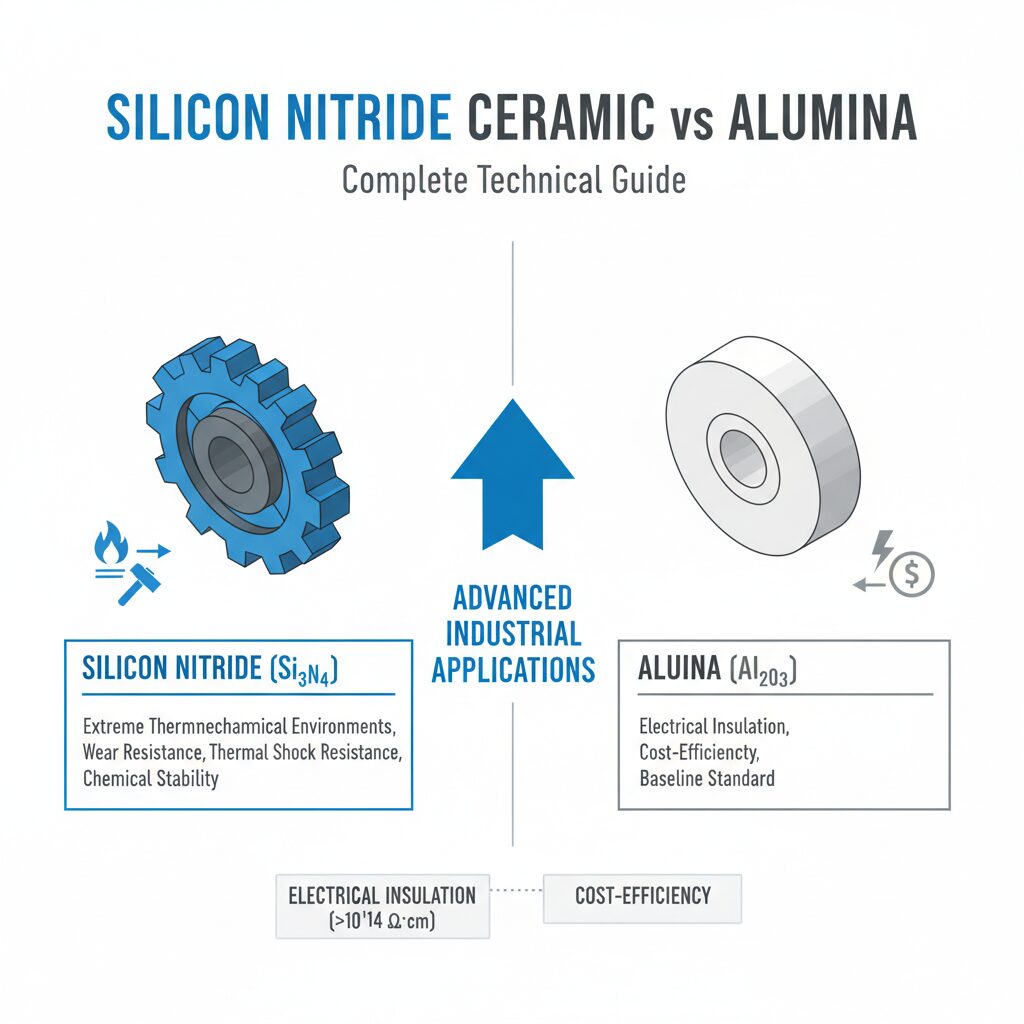
La scelta della ceramica tecnica ottimale richiede un’analisi rigorosa dei parametri specifici dell’applicazione, che tenga conto sia della gestione termica che della resistenza meccanica, oltre che dei costi di produzione. Sebbene la vetroceramica lavorabile sia impareggiabile per la prototipazione rapida e le geometrie complesse, presenta evidenti limiti fisici se confrontata con le ceramiche tecniche tradizionali. Ad esempio, allumina/”>allumina offre una resistenza meccanica e una durezza superiori, rendendolo la scelta ideale per componenti strutturali soggetti a forte usura, ma richiede l’uso di costose utensili diamantati. Quando sono richieste resistenza agli shock termici ed elevata tenacità alla frattura, nitruro di silicio supera di gran lunga le ceramiche di vetro, sebbene con costi delle materie prime e di lavorazione notevolmente più elevati.
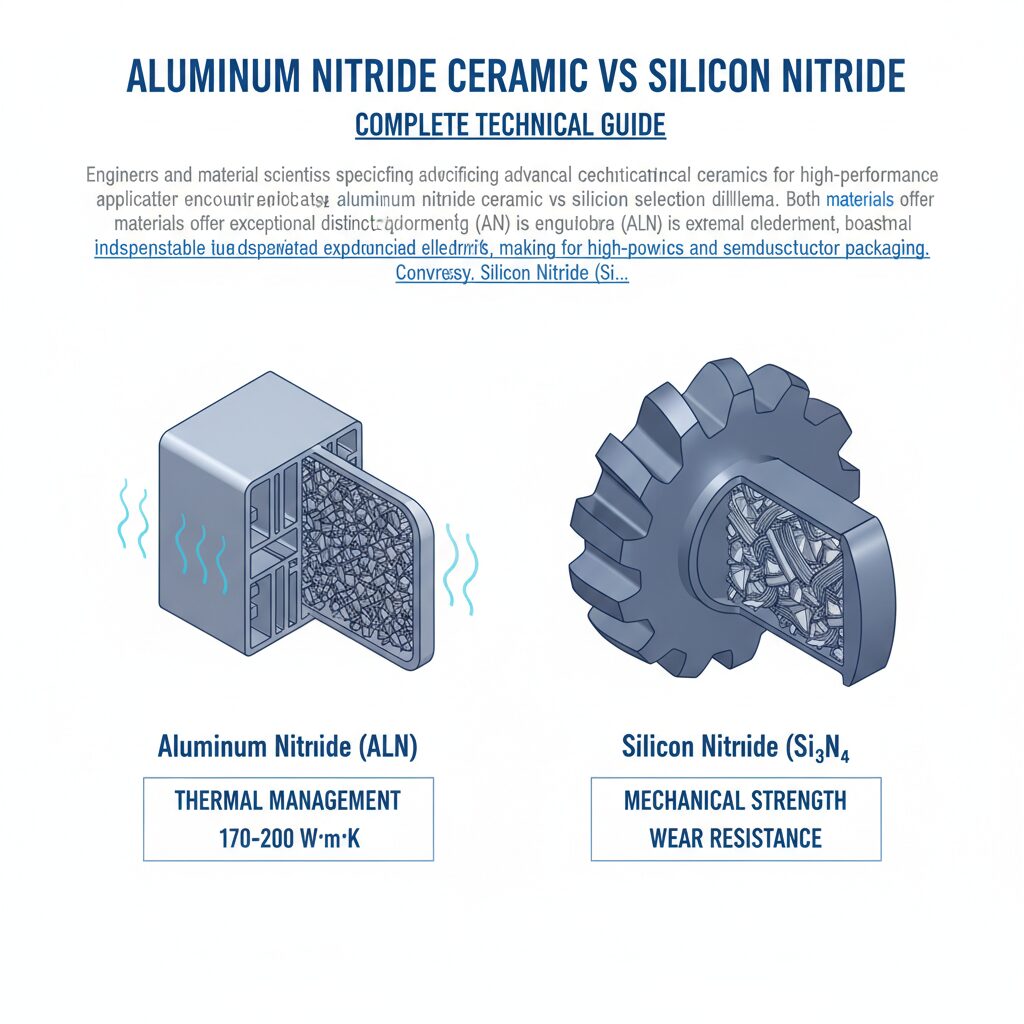
Per le applicazioni che richiedono un elevato livello di dissipazione termica, gli ingegneri dovrebbero prendere in considerazione nitruro di alluminio. Ciò garantisce una conducibilità termica fino a 170 W/m·K, oltre 100 volte superiore a quella (1,46 W/m·K) del profilo isolante in vetroceramica lavorabile. Al contrario, se un’elevata tenacità alla frattura (fino a 10 MPa·m½) è il requisito progettuale primario per prevenire guasti meccanici catastrofici, zirconio rimane la scelta migliore. Se avete bisogno di un’altra alternativa facilmente lavorabile, specifica per applicazioni a temperature estremamente elevate in ambienti inerti, nitruro di boro offre un’eccellente lubrificazione e stabilità termica, sebbene non possieda l’elevata rigidità meccanica e l’ermeticità al vuoto tipiche delle ceramiche di vetro. Infine, per garantire rigidità strutturale e resistenza all’abrasione a temperature estremamente elevate, carburo di silicio offre una durezza e una conducibilità termica senza pari, sebbene sia uno dei materiali più difficili da lavorare.
| Proprietà | Vetroceramica lavorabile | Allumina | Zirconia | Nitruro di silicio |
|---|---|---|---|---|
| Conducibilità termica | 1.46 | 24 – 35 | 2,2 – 3,0 | 20 - 30 |
| Durezza | 250 | 1500 | 1200 | 1500 |
| Resistenza alla frattura | 1.53 | 4.0 - 5.0 | 8.0 - 10.0 | 6,0 – 7,0 |
| Costo | Medio-basso | Medio | Alto | Molto alto |
Applicazioni
- Componenti per vuoto ultra-alto (UHV): Ampiamente utilizzato come distanziatori isolanti, passanti e supporti negli spettrometri di massa e nei microscopi elettronici. La vetroceramica lavorabile viene scelta perché presenta una porosità pari a zero, non emette alcun degassamento volumetrico a pressioni fino a 10^-10 torr e può essere sottoposta a cottura a temperature superiori a 600 °C senza subire alterazioni dimensionali.
- Alloggiamenti per sensori nel settore aerospaziale e della difesa: Utilizzato nei supporti strutturali per sistemi sensibili di guida e telemetria. Gli ingegneri scelgono questo materiale perché è completamente amagnetico e resistente alle radiazioni. Inoltre, presenta una bassa densità (2,52 g/cm³), che contribuisce a una riduzione significativa del peso, garantendo al contempo una trasmissione stabile del segnale telemetrico grazie alla bassa costante dielettrica (6,03).
- Apparecchiature per il trattamento dei wafer di semiconduttori: Utilizzati come isolanti termici, ugelli resistenti al plasma e anelli di ritegno nelle camere di deposizione e di incisione. Il materiale è stato scelto perché non produce assolutamente alcuna dispersione di particolato né degassamento duttile durante l’esposizione al plasma ad alta temperatura, garantendo la conformità alle norme per camere bianche di Classe 100 e isolando al contempo i componenti elettronici sensibili.
- Strumentazione medica e analitica: Integrati come collettori per la gestione dei fluidi e riflettori per cavità laser. E come isolanti RF nelle apparecchiature per la risonanza magnetica. Scelto per la sua bioinerzia, l’assoluta stabilità chimica nei confronti dei fluidi fisiologici e la possibilità di essere filettato internamente e lavorato con tolleranze microfluidiche (±0,005 mm) senza il rischio di microfratture che potrebbero diventare focolai batterici.
- Substrati per laser ad alta potenza: Utilizzati come supporti isolanti e supporti ottici nei sistemi laser a gas e a stato solido. La vetroceramica lavorabile è preferita perché il suo coefficiente di dilatazione termica (9,3 × 10⁻⁶ /°C) si allinea bene con i componenti metallici interni del telaio, impedendo il disallineamento ottico causato dai cicli termici compresi tra 20 °C e 400 °C durante il funzionamento continuo del laser.
Processo di produzione
Il processo di produzione della vetroceramica lavorabile a macchina ne determina il comportamento microstrutturale unico. A differenza delle ceramiche tradizionali, che nascono da polveri compattate e successivamente sinterizzate, questo materiale viene formato attraverso un processo altamente controllato di fusione del vetro e successiva devetrificazione. La formulazione di base richiede una miscela stechiometrica precisa di silice (SiO₂), ossido di magnesio (MgO), ossido di alluminio (Al₂O₃), ossido di potassio (K₂O) E triossido di boro (B₂O₃), con l’aggiunta di fluoro per catalizzare la formazione della mica. Controllando con precisione la storia termica della fusione, i produttori determinano la percentuale volumetrica e l’orientamento geometrico della fase cristallina. È proprio questo che conferisce al materiale la sua lavorabilità eccezionalmente tollerante.
Metodi di formatura
- Fusione e colata: Gli ossidi e i fluoruri grezzi vengono miscelati e fusi in crogioli di platino ad alta purezza o in crogioli refrattari a temperature superiori a 1400 °C. Il vetro fuso omogeneo viene quindi colato in modo continuo in grandi blocchi monolitici, lastre o barre continue. In questa fase, il materiale è un vetro puro e amorfo, caratterizzato da un’elevata tensione interna e da una trasparenza totale.
- Estrusione e stampaggio: Per le preforme specializzate prodotte in grandi volumi, il vetro fuso può essere estruso attraverso stampi personalizzati oppure pressato in semilavorati di forma quasi definitiva. Tale operazione deve essere eseguita mentre il vetro rimane all’interno del proprio specifico intervallo di viscosità operativa (tipicamente compreso tra 1000 °C e 1200 °C), prima del raffreddamento controllato a temperatura ambiente.
Sinterizzazione
Anziché ricorrere al tradizionale sinterizzazione in polvere, i grezzi di vetro amorfo vengono sottoposti a un rigoroso trattamento termico secondario noto come “ceraming” o devetrificazione. I blocchi colati vengono collocati in forni a convezione di precisione e riscaldati lentamente fino a raggiungere un intervallo di temperatura di nucleazione compreso tra 750 °C e 850 °C. Durante questo ciclo termico della durata di diversi giorni, si formano cristalli seme microscopici in tutta la matrice vetrosa. Man mano che la temperatura viene mantenuta e aumentata con cura, questi semi facilitano la crescita di cristalli di mica fluoroflogopite bidimensionali ad incastro. Il processo è rigorosamente controllato per arrestare la crescita cristallina quando la microstruttura raggiunge una frazione volumetrica di 55% di scaglie di mica (di lunghezza media pari a 20 micron) e 45% di vetro borosilicato residuo. Il materiale finale viene raffreddato a una velocità inferiore a 2 °C al minuto per garantire l’assenza totale di sollecitazioni termiche residue.
Lavorazione finale
Il composito finito è ora pronto per lavorazione di precisione della ceramica. Poiché il materiale non subisce alcun ritiro dopo la lavorazione, i componenti possono essere realizzati direttamente secondo le specifiche tecniche definitive del disegno. Great Ceramic utilizza centri di lavoro CNC a 5 assi dotati di mandrini ad alta velocità in grado di funzionare fino a 24.000 giri/min. Sebbene il materiale possa essere tagliato con acciaio rapido (HSS), utilizziamo utensili in carburo di tungsteno a grana fine per garantire una tenuta del tagliente superiore e rispettare tolleranze rigorose di ±0,005 mm. Caratteristiche complesse quali filettature interne M2, microfori da 0,5 mm e tasche cieche intricate vengono realizzate utilizzando percorsi utensile CAM ottimizzati che privilegiano un carico di truciolo costante e una bassa pressione di taglio.
Vantaggi e limiti
Vantaggi
- Assenza totale di ritiro post-cottura: A differenza delle ceramiche grezze, che subiscono un ritiro del 15-20% durante la sinterizzazione, la vetroceramica lavorabile può essere lavorata direttamente con macchine a controllo numerico (CNC) fino alle dimensioni finali (±0,005 mm), riducendo drasticamente i tempi di produzione da settimane a pochi giorni.
- Lavorabilità degli utensili standard: Non richiede mole diamantate elettrodepositate su misura né lavorazioni specializzate ad ultrasuoni. Sono sufficienti frese standard in carburo per la lavorazione dei metalli, punte da trapano e maschi.
- Eccellente tenuta ermetica: La matrice in borosilicato, densa e priva di pori, presenta porosità pari a zero e permeabilità continua pari a zero, rendendola ideale per l'uso nello spazio profondo, in ambienti criogenici e in condizioni di vuoto ultra-alto (UHV) fino a 10^-10 torr.
- Eccellente isolamento elettrico: Garantisce una rigidità dielettrica superiore (40 kV/mm) e un'elevata resistività volumica (>10^16 Ω·cm), proteggendo i componenti elettronici ad alta tensione e i sistemi RF dalla formazione di archi elettrici e dalla rottura dielettrica a temperature elevate.
Limitazioni
- Resistenza meccanica moderata: Con una resistenza alla flessione di soli 94 MPa e una tenacità alla frattura di 1,53 MPa·m½, è intrinsecamente fragile e non adatto ad applicazioni strutturali portanti soggette a forti urti o sollecitazioni dinamiche di trazione.
- Sensibilità agli agenti chimici: Sebbene sia altamente resistente alla maggior parte dei solventi industriali e delle basi deboli, la matrice in borosilicato è vulnerabile all'attacco chimico e al degrado se esposta ad acidi alogenati (come l'acido fluoridrico) e ad alcali forti e concentrati a temperature elevate.
Considerazioni sulla lavorazione
Nonostante venga commercializzata come altamente lavorabile, il raggiungimento di tolleranze di precisione pari a ±0,005 mm nella vetroceramica lavorabile presenta notevoli sfide ingegneristiche. Il meccanismo di asportazione del materiale è completamente diverso dalla deformazione plastica osservata nei metalli. Quando un utensile da taglio entra in contatto con il materiale, provoca microscopiche fratture localizzate. Le scaglie di mica fluoroflogopite incorporate fungono da arrestatori strategici delle crepe, facendo sì che le microfessurazioni si spezzino e si devino in modo sicuro, localizzando così il danno alla zona di taglio immediata e impedendo la propagazione di crepe macroscopiche nel materiale circostante. Tuttavia, se le forze di taglio superano i limiti strutturali del materiale, si verificheranno scheggiature localizzate dei bordi, grave grippaggio superficiale e un cedimento catastrofico del pezzo.
Per ridurre la scheggiatura dei bordi e la deflessione dell’utensile, Great Ceramic utilizza un sistema di fissaggio rigido e controlla meticolosamente i parametri di taglio. L’uso di refrigeranti sintetici idrosolubili è obbligatorio durante tutte le operazioni; essi non si limitano a raffreddare l’interfaccia dell’utensile, ma, cosa fondamentale, lavano via i trucioli abrasivi di vetro e mica. Se si permette ai trucioli di vetro di essere riutilizzati nel taglio, questi agiscono come un composto di lappatura, accelerando l’usura dell’utensile e peggiorando la finitura superficiale da un valore ottimale di Ra 0,2 µm a un valore inaccettabile di Ra 1,6 µm o anche peggiore. Esplorate le capacità di lavorazione di precisione di Great Ceramic per vedere come i nostri team di ingegneri ottimizzano le strategie CAM per ridurre queste sfide specifiche dei materiali.
Parametri di lavorazione CNC consigliati
| Tipo di operazione | Velocità del mandrino (RPM) | Velocità di alimentazione | Profondità di taglio / Dettagli |
|---|---|---|---|
| Fresatura CNC (sgrossatura) | 1000 - 1500 | 0,05 mm/dente | 2,0 - 3,0 mm DOC. Preferibile la fresatura a scalare. |
| Fresatura CNC (finitura) | 2000 - 3000 | 0,02 mm/dente | 0,05 - 0,1 mm DOC. Assicurare un refrigerante continuo. |
| Tornitura CNC | 500 - 800 | 0,05 - 0,1 mm/giro | Utilizzare inserti in metallo duro a spoglia positiva (gioco 5°-10°). |
| Perforazione | 300 - 500 | 0,02 - 0,04 mm/giro | È necessario un ciclo Peck. Ritirare ogni 1-2 mm per eliminare i trucioli. |
| Picchiettatura | 50 - 100 | Passo del filo della partita | Il foro libero deve essere più grande di 0,1-0,2 mm rispetto alle normali punte per rubinetto in metallo. |
Inoltre, quando si eseguono fori passanti, il “breakout” sulla faccia di uscita è una modalità di guasto primaria. Gli ingegneri della Great Ceramic risolvono questo problema sostenendo il pezzo con una piastra sacrificale di alluminio o ottone, che fornisce un supporto fisico positivo alla superficie di uscita. Per gli elementi delicati con spessori di parete inferiori a 1,0 mm, utilizziamo composti speciali per l'invasatura o cere a basso punto di fusione per incapsulare il pezzo durante la lavorazione finale, dissolvendo il materiale di supporto dopo il processo per rivelare un componente ceramico microlavorato e realizzato in modo impeccabile.
FAQ
Che cos'è il vetroceramica lavorabile?
La vetroceramica lavorabile è un materiale composito avanzato a due fasi, costituito da circa 55% cristalli di mica fluoroflogopite sintetica incorporati in una matrice di vetro borosilicato 45%. Questa microstruttura specifica blocca la propagazione delle cricche, consentendo al materiale altamente isolante e resistente al calore di essere tagliato, fresato e tornito direttamente. e maschiato con utensili convenzionali in acciaio ad alta velocità o in metallo duro, senza necessità di cottura o sinterizzazione dopo la lavorazione. È ampiamente riconosciuto con nomi commerciali come Macor.
Quali sono le principali applicazioni del vetroceramica lavorabile?
Le applicazioni principali riguardano i settori che richiedono isolanti ad alte prestazioni che richiedono una prototipazione rapida e geometrie complesse. È molto utilizzato nei sistemi ad altissimo vuoto (UHV) (grazie all'assenza di degassamento a 10^-10 torr), nelle apparecchiature per la produzione di wafer di semiconduttori, nei supporti per sensori aerospaziali, nell'hardware per la diagnostica medica (come gli isolatori RF per la risonanza magnetica). E supporti ottici per laser ad alta potenza. Eccelle laddove l'isolamento elettrico, la stabilità termica fino a 800°C e la precisione dimensionale sono fondamentali. e precisione dimensionale.
Come si colloca la vetroceramica lavorabile rispetto alle altre ceramiche?
Rispetto alle ceramiche avanzate tradizionali come allumina e nitruro di silicio, La vetroceramica lavorabile vanta costi di lavorazione nettamente inferiori e tempi di consegna più rapidi, in quanto evita la necessità di una costosa rettifica diamantata dopo la sinterizzazione. Ha una resistenza alla flessione significativamente inferiore (94 MPa contro gli oltre 300 MPa dell'allumina) e una temperatura massima di funzionamento continuo inferiore (800°C contro gli oltre 1500°C dell'allumina). È destinato a componenti isolanti altamente complessi e non strutturali.
Quali sono i vantaggi del vetroceramica lavorabile?
Il vantaggio principale è la sua producibilità a ritiro zero, che consente di fabbricare rapidamente pezzi molto complessi e con tolleranze ristrette (±0,005 mm) con utensili da taglio standard. Altri vantaggi sono l'assenza di porosità (ermeticità), l'eccellente stabilità dimensionale in presenza di cicli termici, la resistenza alle radiazioni, la bassa conducibilità termica (1,46 W/m-K) che funge da taglio termico. E un'eccezionale rigidità dielettrica (40 kV/mm) per l'isolamento ad alta tensione.
Come si lavora il vetroceramica lavorabile?
La lavorazione viene eseguita con centri di fresatura e tornitura CNC multiasse standard. A differenza del metallo, l'asportazione del materiale si basa sulla microfrattura controllata piuttosto che sul taglio della plastica. Il successo impone l'uso di utensili in metallo duro a micrograna con angoli di spoglia positivi e taglienti, mantenendo un carico di trucioli altamente controllato (ad esempio, 0,02-0,05 mm/dente). E l'utilizzo di refrigeranti idrosolubili continui per eliminare la polvere di vetro abrasiva. L'Great Ceramic eccelle in questo campo, sfruttando la fresatura specializzata ad alta velocità, la tenuta rigida del lavoro. E una programmazione CAM ottimizzata per eseguire geometrie complesse e filettature M2 mantenendo tolleranze rigorose di ±0,005 mm. Esplora il nostro lavorazione di precisione della ceramica per maggiori dettagli.
Avete bisogno di parti in vetroceramica lavorabili su misura? Contatto Great Ceramic per servizi di lavorazione di precisione con tolleranze ristrette, oppure inviate un'e-mail a [email protected].
Per saperne di più Vetroceramica lavorabile e i nostri servizi di lavorazione della ceramica di precisione.