










Kulki ceramiczne
Ceramic balls have become an indispensable component in a wide range of modern industrial applications. From bearing ceramic balls in high-speed machinery to decorative ceramic balls used in home design, their versatility reflects the unique balance of mechanical performance, chemical stability, and temperature resistance that ceramics provide.
Among the various types of ceramic materials, silicon nitride ball bearings stand out as a leading innovation in high-performance mechanical systems. They are lighter, harder, and more resistant to heat and corrosion compared with traditional steel bearings, making them an optimal choice for demanding environments such as aerospace, automotive, and precision instruments.
This article provides an in-depth exploration of ceramic balls, their composition, manufacturing processes, and functional applications across different sectors — including detailed technical insight into silicon nitride bearings and related advanced ceramics.
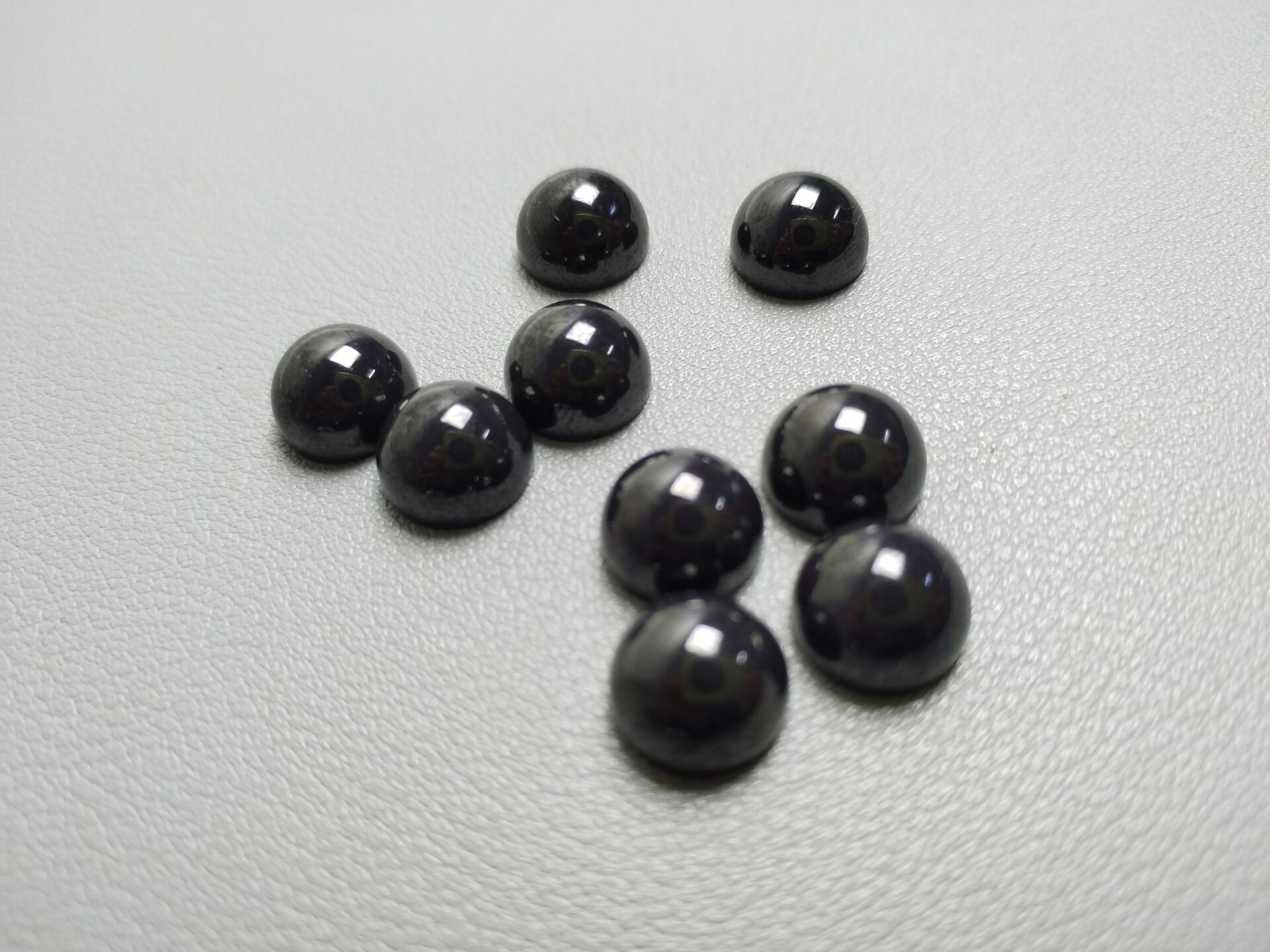
What Are Ceramic Balls?
Ceramic balls are spherical components made from advanced ceramic materials such as alumina (Al₂O₃), zirconia (ZrO₂), silicon nitride (Si₃N₄), or silicon carbide (SiC). These materials are characterized by high hardness, low density, low friction coefficient, and superior wear and corrosion resistance.
Depending on their application, ceramic balls can be broadly classified into several categories:
| Typ | Materiał | Kluczowe cechy | Typowe zastosowania |
| Alumina Ceramic Balls | Al₂O₃ | High hardness, wear resistance | Grinding media, valve balls |
| Zirconia Ceramic Balls | ZrO₂ | Excellent toughness, smooth surface | Pumps, medical devices |
| Kulki ceramiczne z azotku krzemu | Si₃N₄ | Light weight, high speed, heat resistance | Bearings, aerospace, turbines |
| Silicon Carbide Ceramic Balls | SiC | Chemical stability, hardness | Chemical equipment, mechanical seals |
How Ceramic Ball Bearings Are Made
The production of ceramic ball bearings involves a combination of powder metallurgy, precision shaping, and sintering technologies. The process can be divided into the following key stages:
Powder Preparation
High-purity ceramic powders (e.g., silicon nitride or alumina) are carefully selected and mixed with binders and lubricants. The uniformity and purity of the powder directly affect the final performance of the ceramic balls.
Pressing and Shaping
The prepared powder is compacted into near-spherical shapes using isostatic pressing or die pressing. This step ensures dimensional consistency and uniform density distribution.
Spiekanie
The compacted green bodies are sintered at high temperatures (typically between 1500°C and 1800°C) in a controlled atmosphere. During sintering, the particles bond together to form a dense, hard structure with minimal porosity.
Grinding and Polishing
After sintering, the balls are ground and polished to achieve the required diameter tolerance, surface smoothness (Ra < 0.02 μm), and roundness. The precision of this process determines the performance of bearing ceramic balls in high-speed applications.
Kontrola jakości
Each ceramic ball undergoes rigorous inspection for density, hardness, roundness, and defect detection using ultrasonic or optical testing methods before being assembled into bearings or used in other industrial systems.
Properties of Ceramic Balls
Ceramic balls are known for their exceptional combination of physical and mechanical properties:
-
High Hardness: Typically above 1300 HV, much higher than stainless steel.
-
Low Density: About 60% of steel, reducing centrifugal load in bearings.
-
High Temperature Resistance: Can operate up to 1000°C or more.
-
Excellent Corrosion Resistance: Unaffected by most acids, alkalis, and solvents.
-
Low Friction Coefficient: Provides smoother rotation and reduces energy loss.
-
Electrical Insulation: Ideal for applications requiring non-conductive components.
These characteristics make ceramic balls particularly valuable in industries where speed, precision, and durability are critical.
Applications of Ceramic Balls
Ceramic balls are widely adopted across industries that demand durability, precision, and performance under extreme conditions. Below are the key industrial application sectors:
Bearing and Rotational Systems
The most significant application of ceramic balls is in hybrid and full ceramic bearings.
-
Hybrid bearings combine steel rings with silicon nitride balls, reducing weight while improving performance.
-
Full ceramic bearings (both rings and balls made of ceramic) are used where corrosion resistance or non-magnetic properties are critical.
Applications include:
-
High-speed electric motors
-
Machine tool spindles
-
Turbomachinery
-
Aviation engines and drones
-
Automotive systems (especially electric vehicles)
Benefits:
-
Higher rotational speed limits
-
Longer service life
-
Reduced lubrication requirement
-
Operation in vacuum, cleanroom, or high-temperature environments
Mechanical and Pump Systems
In valves, pumps, and compressors, ceramic balls serve as check balls, valve seats, or sealing elements. Their superior hardness and wear resistance ensure long-term sealing reliability even in abrasive or corrosive fluids such as acids, solvents, and slurries.
Advantages:
-
Extended component lifespan
-
Reduced downtime and maintenance cost
-
Improved system reliability in chemical and fluid processing industries
Grinding and Milling Media
In material manufacturing, alumina and zirconia ceramic balls are widely used as grinding media in mills for producing fine powders, pigments, and electronic materials. Their high hardness and chemical inertness ensure consistent particle size reduction without contamination.
Key industries:
-
Ceramics and glass production
-
Mining and mineral processing
-
Paints and coatings
-
Electronic materials
Energy and Semiconductor Industry
In the energy sector, ceramic balls are used in wind turbines, fuel cells, and hydrogen equipment, where they must withstand high stress and temperature fluctuations.
In the semiconductor and electronics industries, silicon nitride bearings are essential for cleanroom machinery, wafer handling systems, and high-speed vacuum equipment due to their non-magnetic, corrosion-resistant, and electrically insulating nature.
Przemysł lotniczy i obronny
The aerospace industry relies heavily on silicon nitride ball bearings because they can operate under extreme thermal gradients, vibrations, and pressures.
Applications:
-
Aircraft auxiliary power units (APU)
-
Jet engine spools
-
Guidance systems
-
Gyroscopes and navigation components
The combination of low weight and high strength directly improves fuel efficiency and reliability.
Silicon Nitride Ball Bearings: The Advanced Choice
Among all ceramic materials, silicon nitride (Si₃N₄) represents the cutting edge of bearing technology. It combines low density with outstanding mechanical and thermal performance, making it the preferred material for high-speed, high-temperature, and high-precision bearings.
Key Benefits of Silicon Nitride Bearings
- 40% lighter than steel, reducing rotational inertia.
-
Three times harder than stainless steel, improving wear life.
-
Thermal expansion coefficient approximately one-third of steel’s, ensuring stability under temperature variations.
-
Corrosion and oxidation resistance, even in aggressive environments.
-
Non-magnetic and electrically insulating, ideal for precision instruments.
Aplikacje
- Aerospace turbines and engines
-
High-speed dental and medical tools
-
Semiconductor and cleanroom equipment
-
Racing car wheel hubs
-
Machine tool spindles
Comparison Table: Silicon Nitride vs. Steel Bearings
| Nieruchomość | Azotek krzemu | Steel |
| Gęstość (g/cm³) | 3.2 | 7.8 |
| Twardość (HV) | 1550 | 700 |
| Maksymalna temperatura pracy (°C) | 1000 | 250 |
| Friction Coefficient | 0.001–0.0012 | 0.0015–0.002 |
| Magnetic | No | Tak |
| Odporność na korozję | Doskonały | Umiarkowany |
These advantages make silicon nitride ball bearings the global standard for next-generation high-speed mechanical systems.
Ball Ceramic Design and Quality Control
For industrial buyers and engineers, precision and reliability are the most important criteria in selecting ceramic balls. Manufacturers such as Shenzhen Great Ceramic employ advanced sintering and surface finishing technologies to achieve superior mechanical consistency and microstructural stability.
Quality control focuses on:
-
Micron-level diameter tolerance (±0.0001 mm)
-
Roundness precision ≤ 0.00005 mm
-
Surface finish up to Ra 0.02 μm
-
Defect-free microstructure inspection
These rigorous standards ensure that every ball ceramic component meets the demands of high-performance systems.
Future Trends in Ceramic Ball Technology
The future of ceramic ball technology is closely linked to materials innovation and manufacturing automation.
Key development directions include:
-
Nanostructured ceramic powders for higher toughness and fatigue strength
-
Hybrid composite ceramics combining Si₃N₄ with zirconia
-
3D printing and precision molding for complex geometries
-
Smart bearing systems integrating temperature and vibration sensors
As global industries shift toward sustainability and efficiency, ceramic balls and silicon nitride bearings will continue to replace metal components, driving the next wave of mechanical innovation.
Wnioski
Ceramic balls — from decorative ceramic balls for bowls to silicon nitride ball bearings — exemplify how advanced materials science transforms both everyday and high-tech applications. Their lightweight, durable, and heat-resistant nature makes them indispensable to modern manufacturing, aerospace, energy, and design sectors.
For engineers and procurement specialists seeking components that deliver long-term stability, high performance, and low maintenance, ceramic balls are a proven and forward-looking choice.
Whether in bearing systems, fire features, or scientific instruments, their precision and reliability define the standard of excellence in advanced material engineering.