









Zirconia Ceramic Bearing Ball For Vacuum: Complete Guide
In the demanding world of vacuum technology—ranging from semiconductor manufacturing to deep-space exploration—the choice of bearing components is a critical factor in system reliability. Traditional steel bearings often fail in these environments due to lubrication evaporation, cold welding. And magnetic interference. Zirconia ceramic bearing balls for vacuum applications have emerged as the premier solution for these challenges. This technical guide explores the material properties, manufacturing precision. And diverse applications of Zirconia (ZrO2) in vacuum environments, highlighting why Great Ceramic is the industry leader in custom obróbka ceramiki.
The Evolution of Vacuum-Compatible Bearings
Vacuum environments, particularly Ultra-High Vacuum (UHV) systems, present a unique set of challenges for mechanical components. In a vacuum, atmospheric pressure is significantly reduced, leading to several physical phenomena that compromise standard metal bearings. The primary issue is “outgassing,” where volatile molecules trapped in lubricants or metal surfaces are released, potentially contaminating sensitive processes like silicon wafer production or optical coating.
Furthermore, without the presence of an oxide layer—which is constantly replenished in the atmosphere—metal-on-metal contact in a vacuum can lead to “cold welding.” Zirconia ceramic bearing balls address these issues through their inherent material stability, lack of need for traditional hydrocarbon lubricants. And exceptional hardness. As industries push the boundaries of vacuum technology, the demand for high-precision cyrkonia components continues to grow.
Technical Properties of Zirconia (ZrO2)
Zirconia used in bearing applications is typically stabilized with Yttria (Y2O3) to create Yttria-Stabilized Tetragonal Zirconia Polycrystal (Y-TZP). This material is often referred to as “ceramic steel” due to its high fracture toughness. This is significantly higher than that of alumina or other technical ceramics.
Material Property Table
| Nieruchomość | Value (Typical for Y-TZP) | Jednostka |
|---|---|---|
| Gęstość | 6.05 | g/cm³ |
| Vickers Hardness (HV10) | 1200 – 1300 | kg/mm² |
| Wytrzymałość na zginanie | 900 – 1200 | MPa |
| Fracture Toughness (K1c) | 7 – 10 | MPa·m1/2 |
| Współczynnik rozszerzalności cieplnej | 10.5 x 10⁻⁶ | /°C |
| Maximum Operating Temp | 800 (structural) / 1000 (intermittent) | °C |
| Współczynnik Poissona | 0.30 | – |
| Moduł sprężystości | 210 | GPa |
Why Fracture Toughness Matters
Unlike other ceramics that are extremely brittle, zirconia’s tetragonal crystal structure undergoes a phase transformation when under stress. If a crack begins to form, the crystals around the crack tip expand, effectively “squeezing” the crack shut. This mechanism, known as transformation toughening, makes zirconia bearing balls resistant to the chipping and catastrophic failure that can occur during high-speed vacuum operations.
Advantages of Zirconia in Vacuum Applications
1. Zero Outgassing
One of the most significant advantages of zirconia ceramic bearing balls for vacuum is their chemical inertness. Unlike metals, zirconia does not release gas molecules under low-pressure conditions. This is essential for maintaining the integrity of UHV environments where even a few parts per billion of contamination can ruin a production batch of semiconductors or interfere with particle accelerator experiments.
2. Dry Lubrication Compatibility
Standard oils and greases boil away in a vacuum. While some specialized vacuum greases exist, they are expensive and still present a contamination risk. Zirconia balls can operate using dry film lubricants (such as MoS2 or WS2) or, in certain low-load applications, with no lubrication at all. Their low coefficient of friction against steel or other ceramics minimizes heat generation.
3. Thermal Stability and Expansion Matching
Zirconia has a thermal expansion coefficient (approx. 10.5 x 10⁻⁶/°C) that is remarkably close to that of many stainless steels (approx. 11-12 x 10⁻⁶/°C). This is a critical advantage for hybrid bearings (ceramic balls with steel races). As the system heats up in a vacuum—where heat dissipation is limited mainly to radiation and conduction—the balls and races expand at similar rates, maintaining consistent internal clearances and preventing bearing seizure.
4. Non-Magnetic and Insulating Properties
In applications involving electron beams, ion implantation, or MRI technology, magnetic interference must be eliminated. Zirconia is entirely non-magnetic. Additionally, its electrical insulation properties prevent “arcing” or electrical pitting in environments where static buildup or stray currents are a concern.
Industry Applications for Zirconia Vacuum Bearings
Semiconductor and Solar Processing
The semiconductor industry is the largest consumer of zirconia ceramic bearing balls for vacuum. In Physical Vapor Deposition (PVD), Chemical Vapor Deposition (CVD). And Ion Implantation, bearings must operate in high-vacuum, high-temperature. And often corrosive environments. Zirconia provides the necessary durability to withstand these cycles without contaminating the silicon wafers.
Aerospace and Satellite Systems
Mechanisms in satellites, such as reaction wheels, solar array drives. And optical gimbals, must function for decades in the vacuum of space without maintenance. The reliability and low-torque characteristics of zirconia make it an ideal choice for these mission-critical components.
Medical and Laboratory Equipment
In high-end analytical instruments like Scanning Electron Microscopes (SEM) and mass spectrometers, precision and cleanliness are paramount. Zirconia bearings ensure that the moving stages operate smoothly within the vacuum chamber without introducing metallic dust or vaporized lubricants.
High-Speed Turbomolecular Pumps
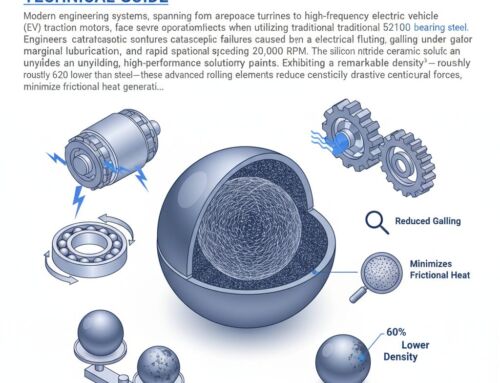
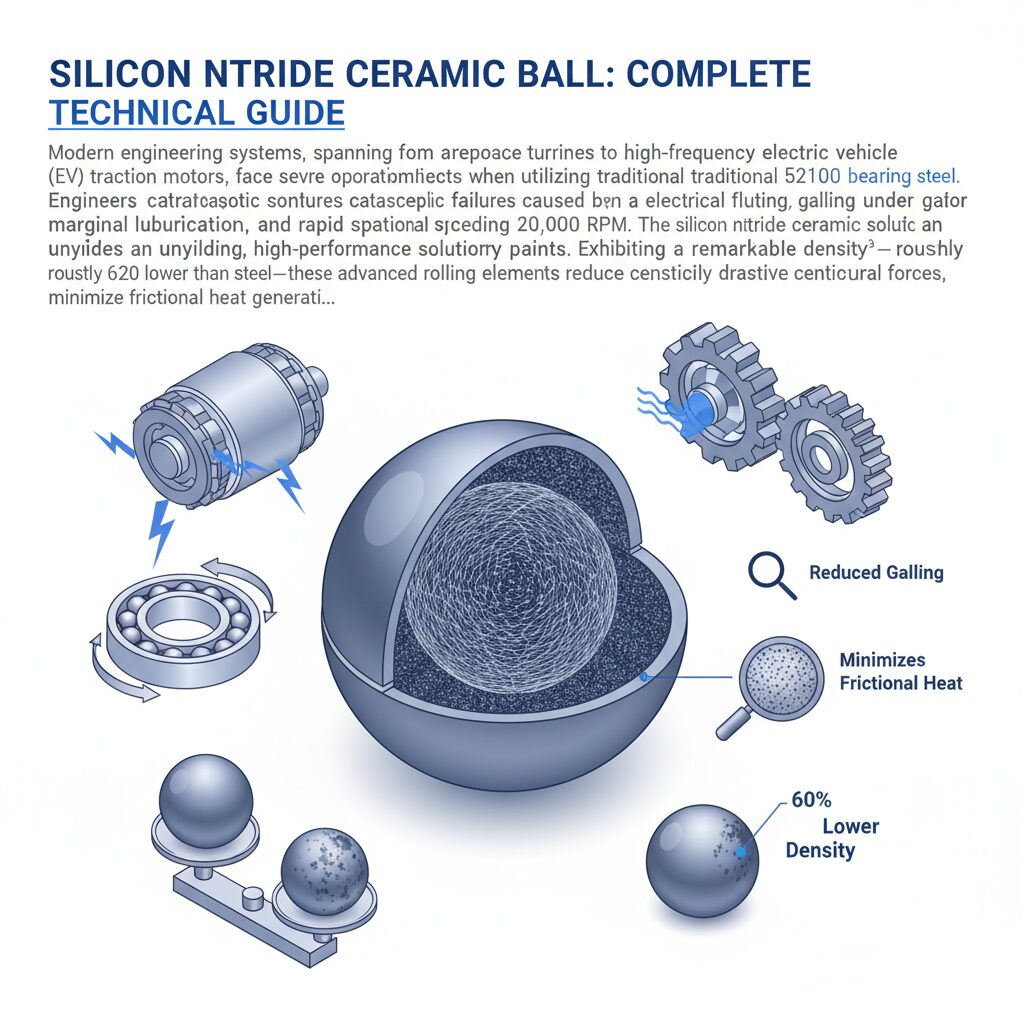
Vacuum pumps themselves require bearings that can handle rotational speeds exceeding 50,000 RPM. Zirconia’s lower density (6.05 g/cm³) compared to steel (7.8 g/cm³) reduces centrifugal forces on the outer race, extending the life of the pump and allowing for higher operational speeds.
Precision CNC Machining of Zirconia Ceramic Balls
Manufacturing zirconia ceramic bearing balls for vacuum requires extreme precision. Unlike metal components that can be turned on a lathe, zirconia requires diamond-tooling and specialized grinding processes. At Great Ceramic, we utilize advanced CNC machining centers specifically designed for technical ceramics.
The Machining Process
- Obróbka ekologiczna: Before the ceramic is fired (sintered), it is in a “green” state. While fragile, it can be shaped close to its final dimensions. This stage is crucial for reducing the amount of expensive diamond grinding required later.
- Sintering: The parts are fired at temperatures exceeding 1400°C. During this phase, the zirconia shrinks by approximately 20-25%, requiring precise calculations during the green machining phase to ensure the final part meets tolerances.
- Szlifowanie diamentowe: Once sintered, zirconia is incredibly hard. We use high-precision diamond grinding to achieve the final spherical dimensions. For vacuum applications, the sphericity (roundness) must often be within Grade 5 or Grade 10 standards.
- Docieranie i polerowanie: To achieve a mirror-like finish (surface roughness Ra < 0.01 μm), the balls undergo multi-stage lapping. A smoother surface reduces friction and the likelihood of micro-cracking during operation.
Tolerancje i kontrola jakości
Great Ceramic adheres to strict ISO standards. For vacuum-grade bearing balls, we monitor:
- Sphericity: Ensuring the ball is a perfect sphere to distribute loads evenly.
- Diameter Tolerance: Maintaining consistency across a batch to prevent uneven load sharing in the bearing assembly.
- Surface Integrity: Using ultrasonic testing and high-magnification microscopy to ensure there are no sub-surface micro-cracks that could lead to failure under vacuum stress.
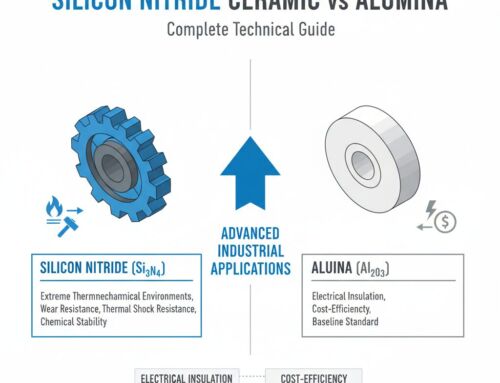
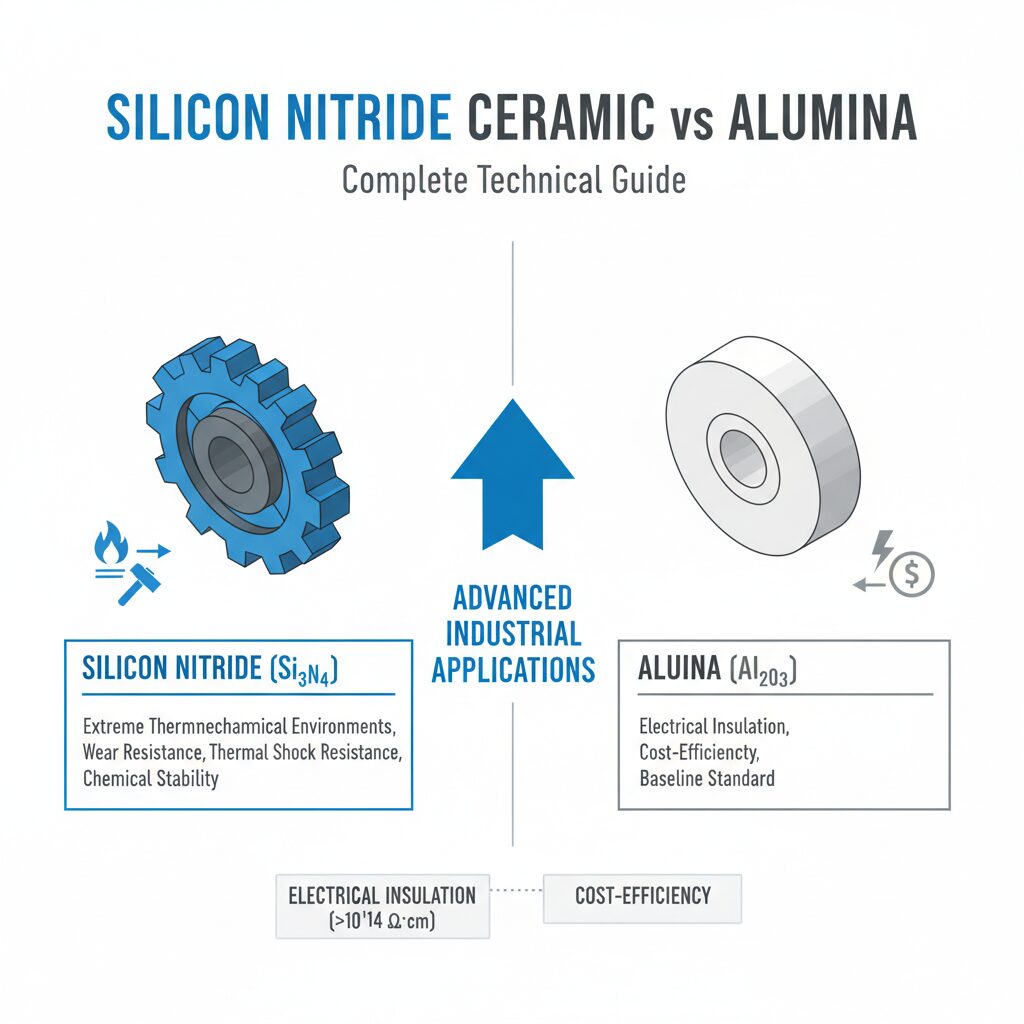
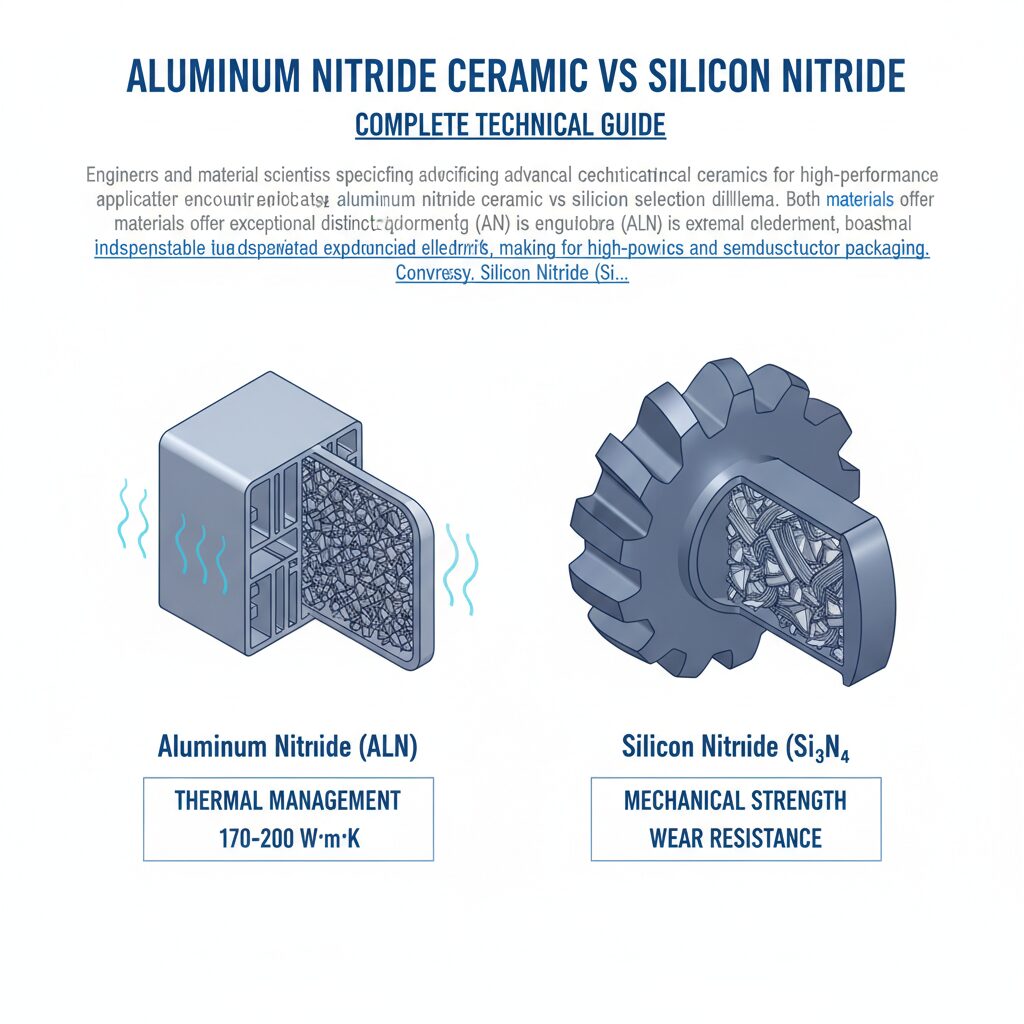
Comparing Zirconia (ZrO2) vs. Azotek krzemu (Si3N4)
While both materials are used in vacuum bearings, they have distinct differences:
| Funkcja | Cyrkon (ZrO2) | Azotek krzemu (Si3N4) |
|---|---|---|
| Gęstość | Higher (6.0 g/cm³) | Lower (3.2 g/cm³) |
| Wytrzymałość na złamania | Doskonały | Dobry |
| Rozszerzalność cieplna | Matches Steel well | Low (requires special design) |
| Speed Capability | Wysoki | Bardzo wysoka |
| Odporność na korozję | Exceptional (Acids/Bases) | Doskonały |
Zirconia is often preferred when thermal expansion matching with steel races is required, or in environments where its specific chemical resistance is superior. Silicon Nitride is typically chosen for ultra-high-speed applications due to its lower density.
Maintenance and Longevity in Vacuum Systems
One of the hidden costs of vacuum systems is the downtime required for maintenance. Accessing a bearing inside a UHV chamber can take days, including the time required to “bake out” the system and reach the desired vacuum level. By using zirconia ceramic bearing balls, engineers can significantly extend the Mean Time Between Failures (MTBF). These bearings do not suffer from the fatigue or “spalling” common in metal bearings. And their resistance to vacuum-induced wear means they can often outlast the machine they are installed in.
Cleaning for Vacuum Use
Before installation, zirconia balls must be cleaned to UHV standards. This typically involves ultrasonic cleaning in high-purity solvents (like IPA or acetone) to remove any traces of manufacturing oils or human fingerprints. Because zirconia is non-porous, this cleaning is highly effective, ensuring zero contamination upon system pump-down.
FAQ: Zirconia Ceramic Bearing Balls for Vacuum
1. Do zirconia bearings need to be “broken in”?
Unlike metal bearings, ceramic bearings have very little initial wear-in. However, if using a dry lubricant, a short run-in period may be necessary to ensure the lubricant is evenly distributed across the raceway.
2. Can zirconia balls handle high temperatures in a vacuum?
Yes, zirconia can operate at temperatures up to 800°C. However, the limit is often dictated by the cage material (if used) or the bearing race material. In high-temperature vacuum furnaces, full ceramic bearings (zirconia balls and races) are used to withstand extreme heat.
3. Are zirconia balls more expensive than steel?
While the initial cost is higher due to the raw material and the intensive diamond-grinding process, the total cost of ownership is lower. The reduction in maintenance, elimination of lubricants. And prevention of system contamination provide a high return on investment.
4. Is zirconia better than alumina for bearings?
Generally, yes. Tlenek glinu is more brittle and has lower fracture toughness. Zirconia’s ability to resist cracking makes it much more reliable for the dynamic loads found in bearing applications.
5. Can I use zirconia balls in a hybrid bearing?
Absolutely. Many vacuum systems use hybrid bearings with stainless steel (like 440C or 316) races and zirconia balls. This combines the toughness of steel with the vacuum-performance of ceramics.
Conclusion: Choosing the Right Partner for Ceramic Solutions
The success of a vacuum system often hinges on the smallest components. Zirconia ceramic bearing balls provide the thermal, chemical. And mechanical stability required for the most challenging environments on—and off—the planet. However, the performance of these components is entirely dependent on the quality of the material and the precision of the machining.
Great Ceramic specializes in the high-precision machining of technical ceramics, ensuring that every zirconia ball meets the stringent tolerances required for vacuum technology. Our expertise in CNC grinding, lapping. And material selection allows us to provide custom solutions that standard suppliers simply cannot match.
Skontaktuj się z Great Ceramic, aby uzyskać niestandardowe rozwiązania w zakresie obróbki ceramiki dostosowane do Twojego zastosowania. Our team of engineers is ready to help you optimize your vacuum system with high-performance zirconia components.
zirconia ceramic bearing ball for vacuum is widely used in advanced ceramic applications.
Dowiedz się więcej o Ceramiczna kulka łożyskowa z tlenku cyrkonu do próżni i nasze usługi precyzyjnej obróbki ceramiki.