









Advanced Ceramic Materials for Custom Industrial Parts
Advanced ceramic materials are chosen when metal, plastic, glass, or conventional ceramics cannot meet the required combination of hardness, insulation, heat resistance, chemical stability, or dimensional control
Great Ceramic helps engineers select the right ceramic materials family, review manufacturability, and turn drawings into custom industrial components ready for quotation and production.

Choose the Advanced Ceramic Family Behind the Part
Great Ceramic offers a wide range of materials, including oxide ceramics, nitride ceramics, carbide ceramics, and machinable ceramics, to help you select the best materials for your industrial applications.
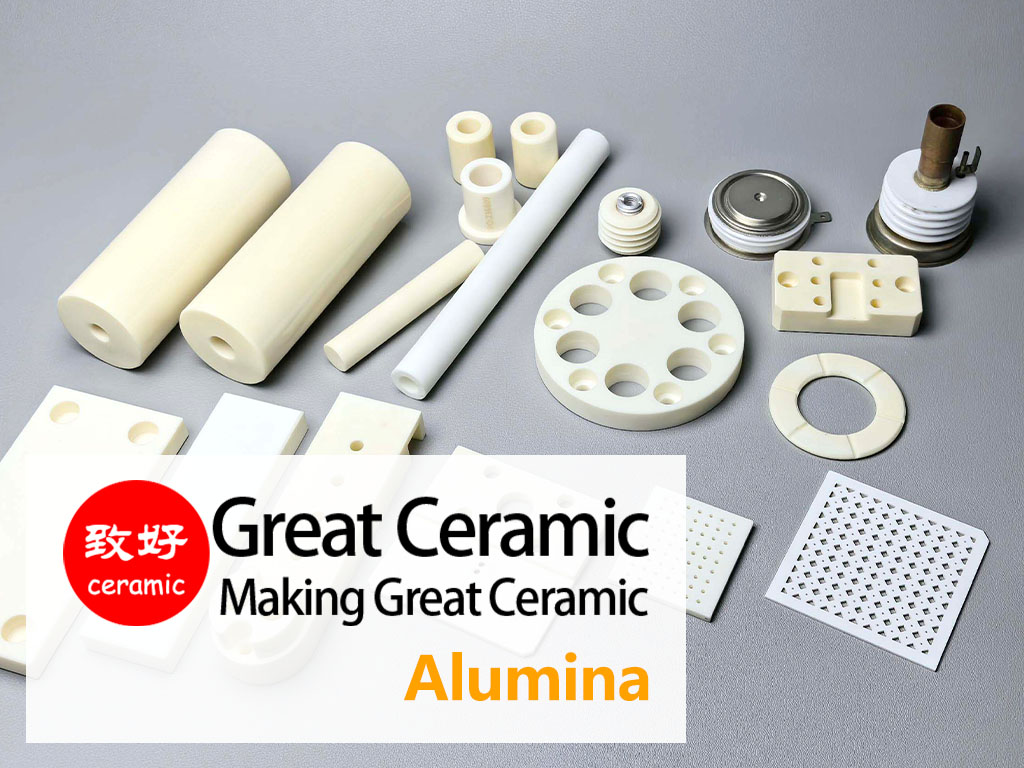
Alumina ceramics are often the first shortlist for wear parts, electrical insulators, spacers, rings, tubes, guides, plates and cost-sensitive technical ceramic components that need stable performance in industrial equipment.
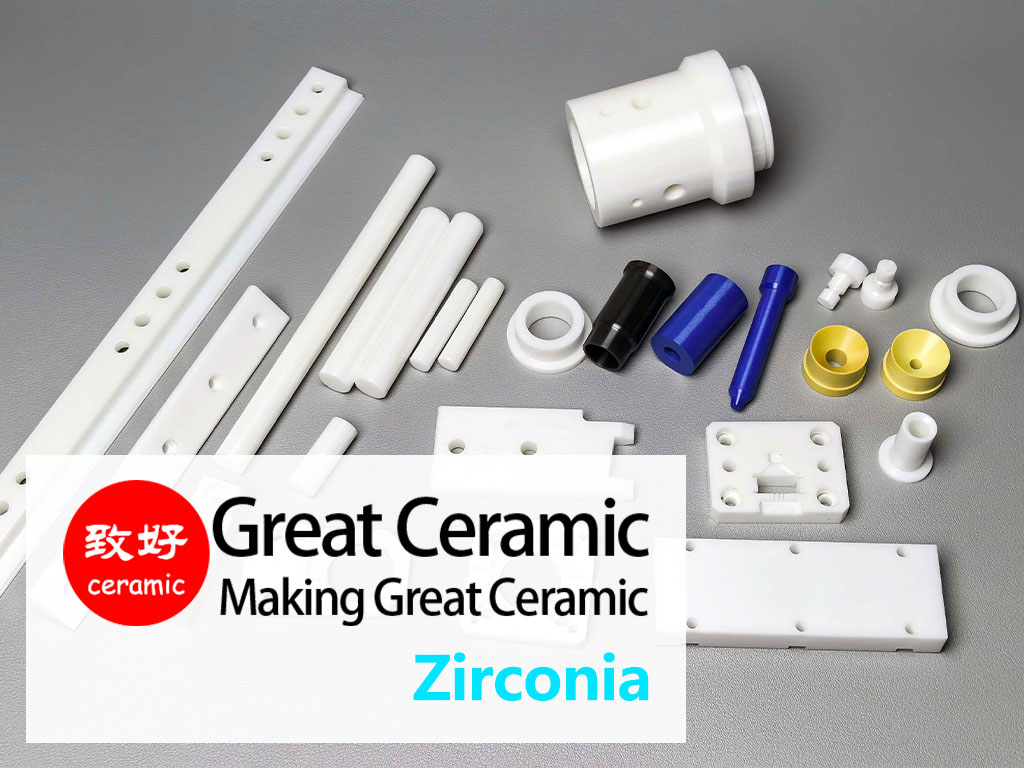
Zirconia ceramics bring higher toughness, strength and smooth precision surfaces for shafts, sleeves, bushings, rollers, blades, positioning parts and wear components that see contact stress.
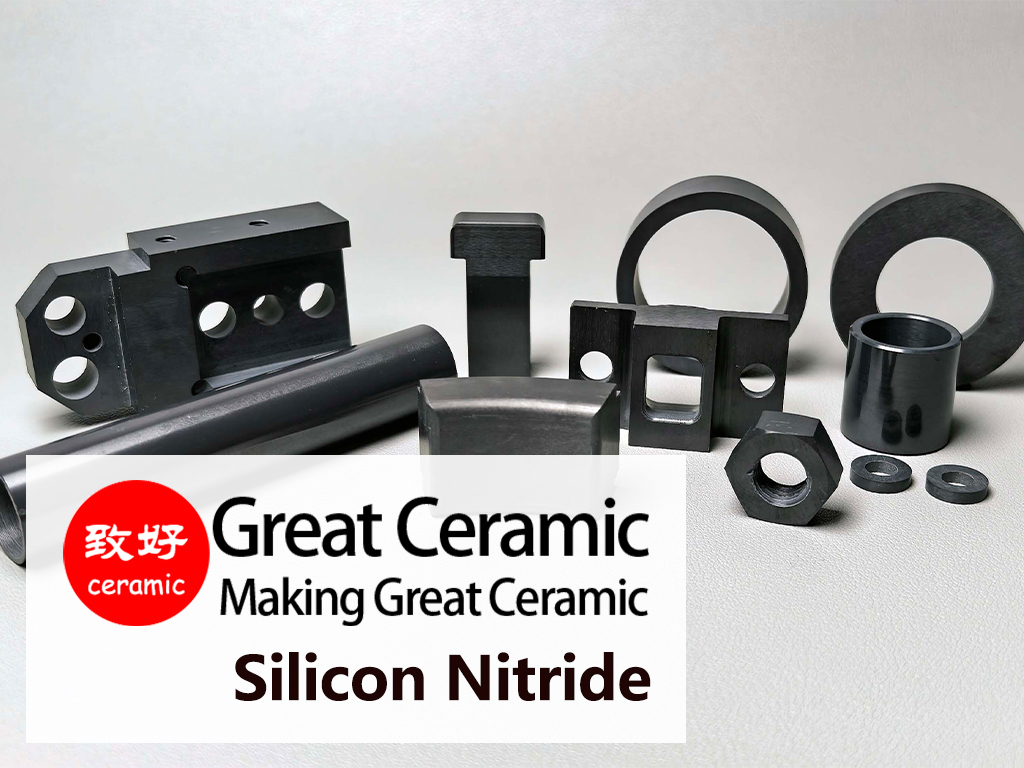
Silicon nitride ceramics suit high-load, high-speed, impact, wear and thermal-shock conditions in rollers, bearings, shafts and other mechanically demanding parts.
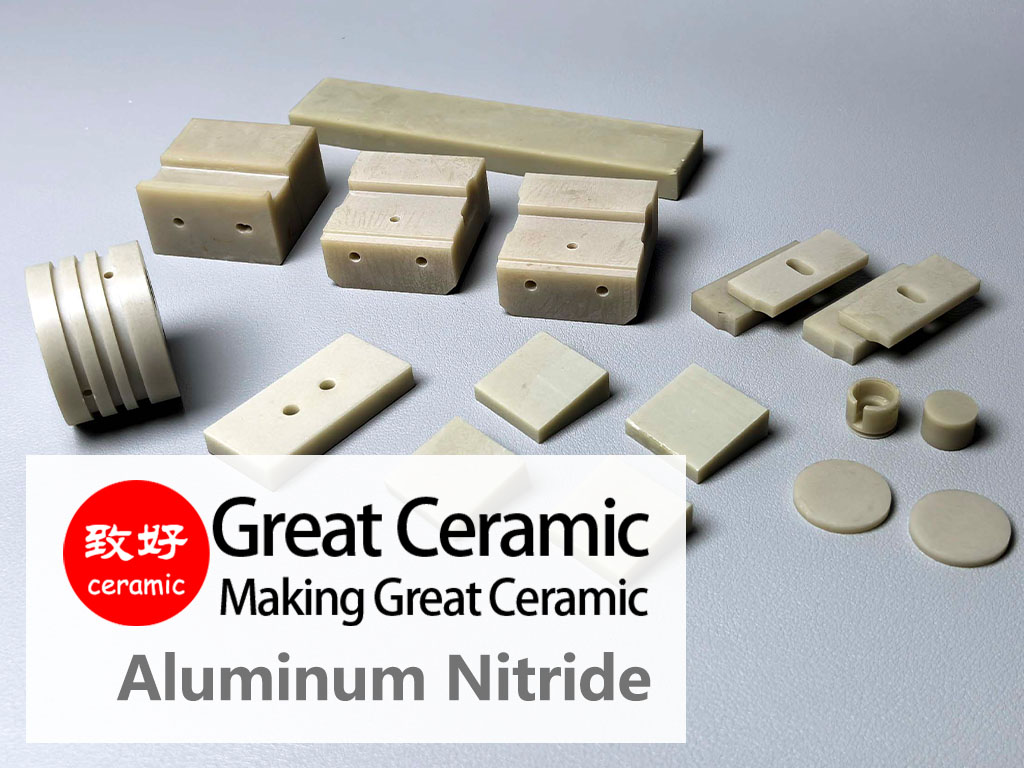
Aluminum nitride ceramics combine heat transfer with electrical insulation for substrates, heat spreaders and semiconductor or electronics components.
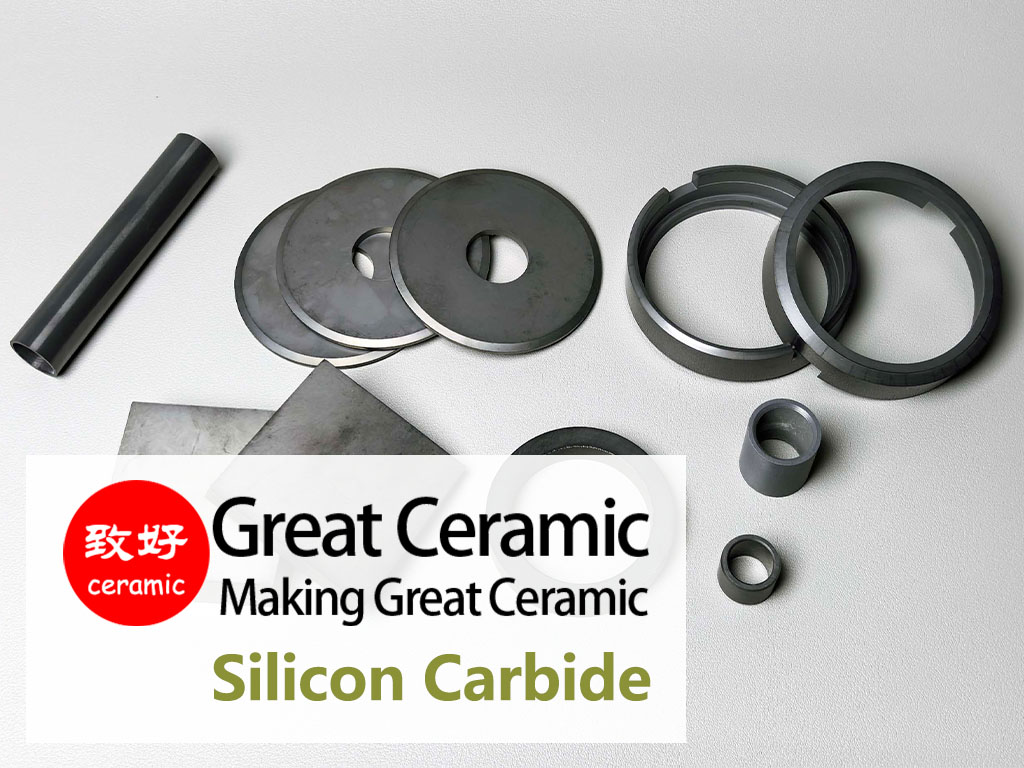
Silicon carbide ceramics fit severe abrasion, corrosion, high temperature and thermal-performance duties in seals, pump components, wear plates and furnace-related parts.
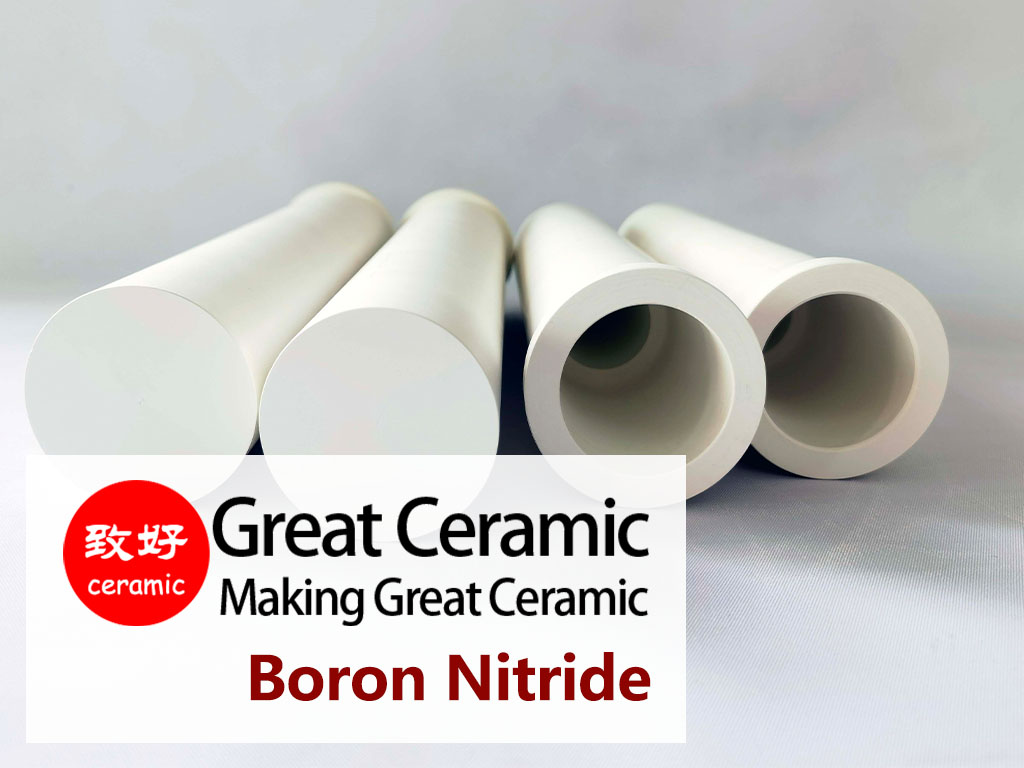
Boron nitride ceramics provide machinability, thermal stability and non-wetting behavior for selected high-temperature, vacuum and metallurgical components.
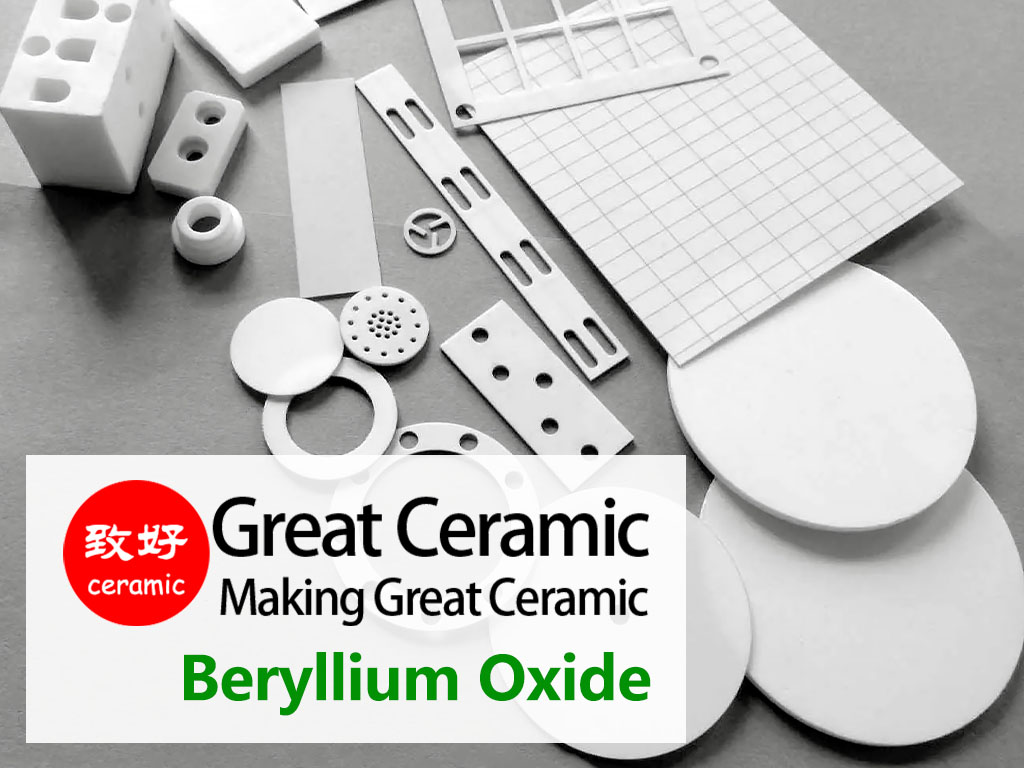
Beryllium oxide ceramics combine high thermal conductivity with electrical insulation for specialized thermal-management components that require qualified material and manufacturing review.
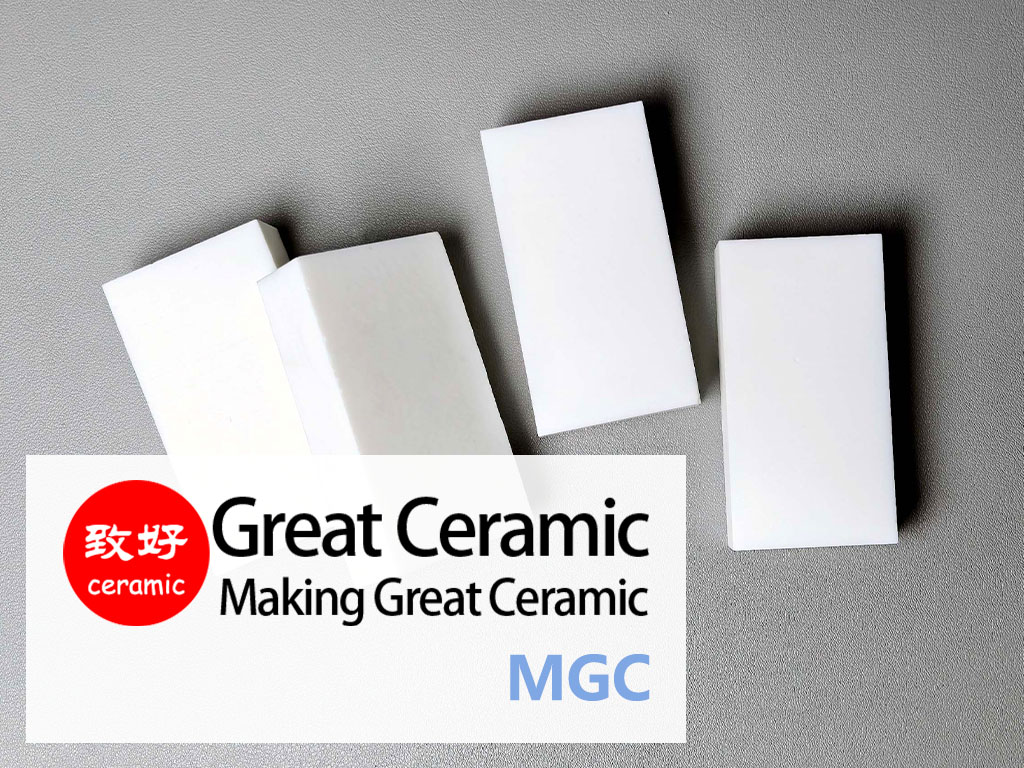
Machinable glass ceramic supports prototypes, fixtures and complex insulating shapes that benefit from conventional machining before a fired-ceramic route is justified.

ZTA ceramics bridge alumina economy with improved toughness for wear parts, guides, sleeves and components exposed to higher contact stress.
Compare Ceramic Materials by Working Requirement
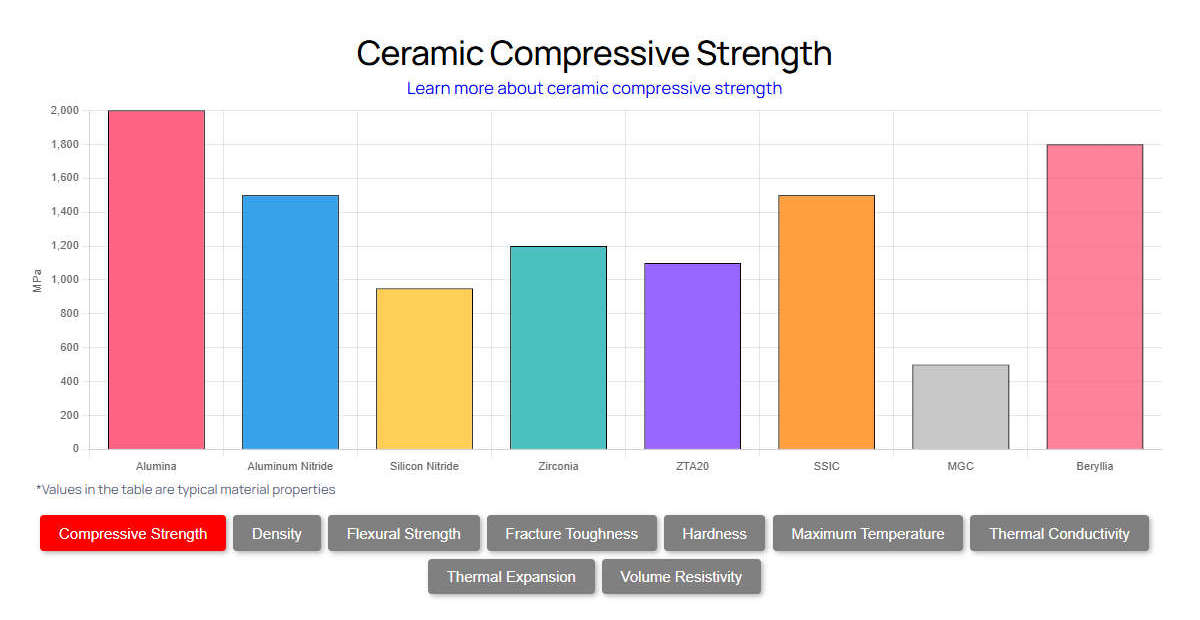
The choice of ceramic material depends on the working conditions,each material has different mechanical, thermal, electrical, and chemical properties. Great Ceramic will recommend suitable ceramic materials based on your application requirements.
| Requirement | Strong material options | Where it fits |
|---|---|---|
| Electrical insulation with wear | Alumina / Zirconia ceramic / ZTA | Insulators, spacers, guides, fixtures, and electrical isolation parts |
| Thermal conductivity with insulation | Aluminum nitride / Beryllium oxide | Heat spreaders, substrates, semiconductor parts, and thermal management components |
| Impact or mechanical toughness | Zirconia / Silicon nitride / ZTA | Shafts, sleeves, bushings, rollers, positioning parts, and structural wear parts |
| High-temperature wear or corrosion | Silicon carbide / Alumina / Boron nitride | Seals, pump parts, kiln fixtures, flow-contact parts, and furnace-area components |
| Prototype or complex geometry | MGC / Boron nitride / Alumina | Trial parts, fixtures, small batches, and drawing-based custom components |
Unsure which material to choose?
Don’t worry. Great Ceramic will evaluate your drawings and application requirements after receiving them and recommend suitable materials.
To learn more about advanced technologies ceramic, please view our ceramic material performance table 또는 문의하기. We are happy to serve you.
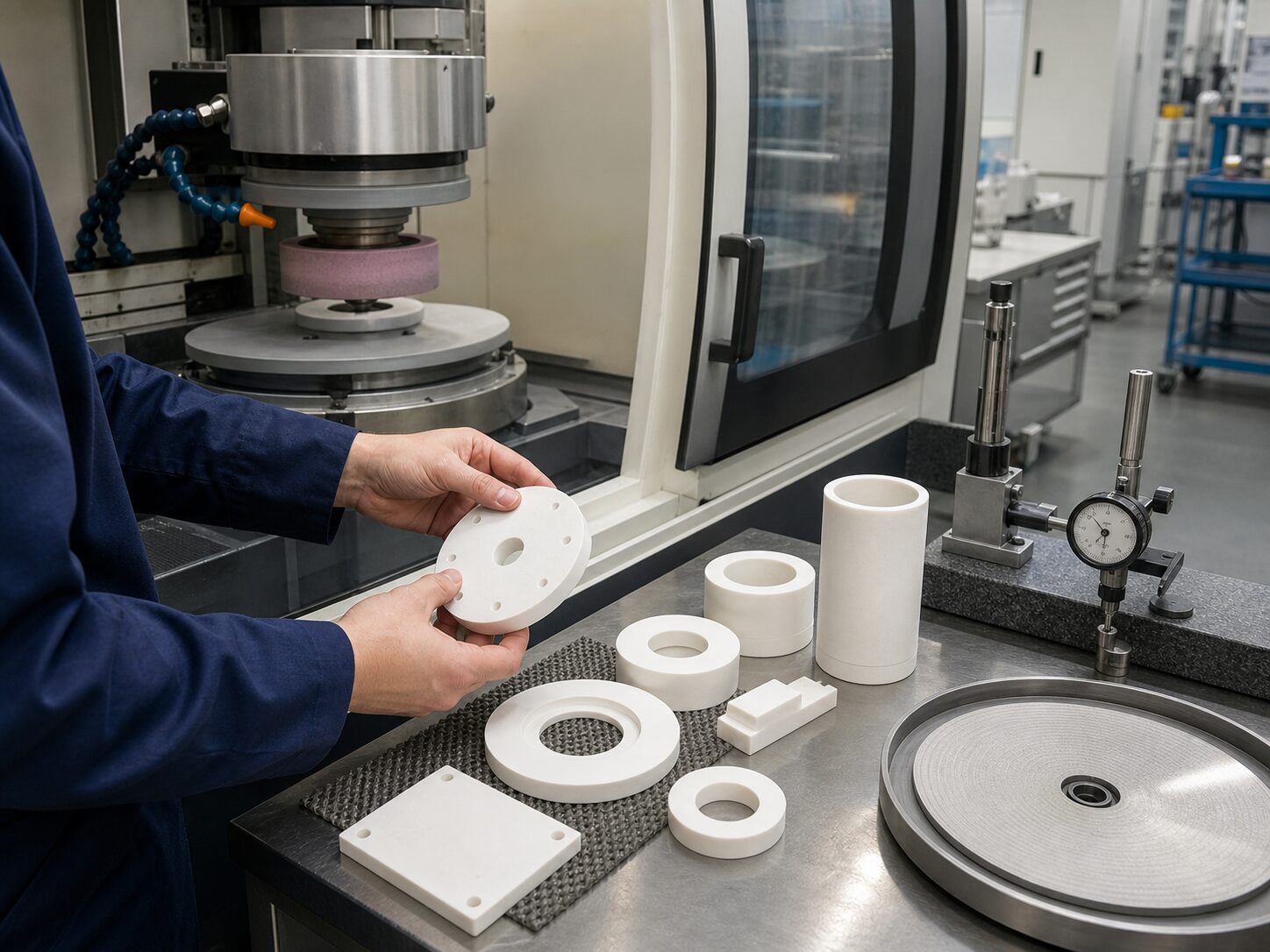
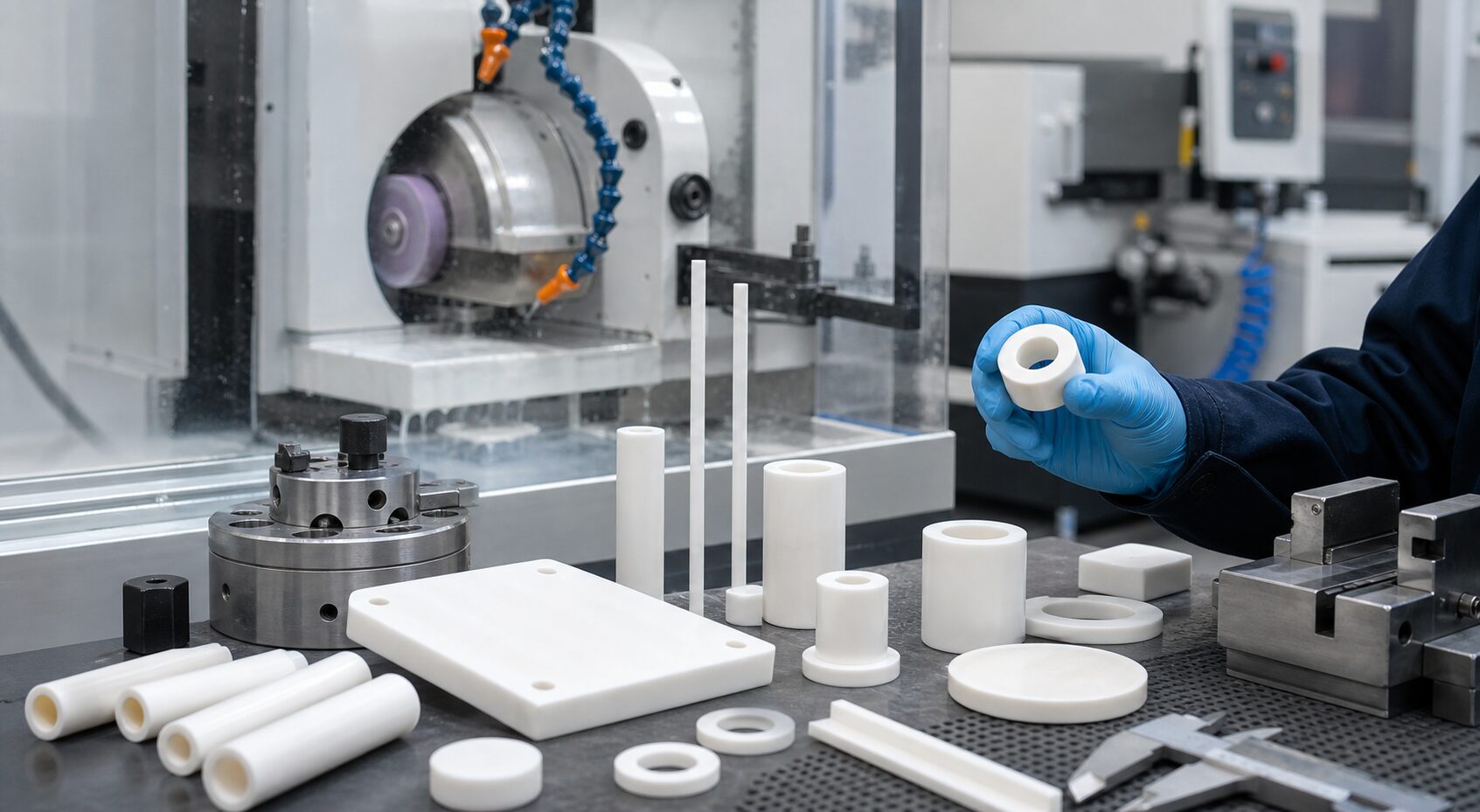

From Material Choice to Manufacturable Parts
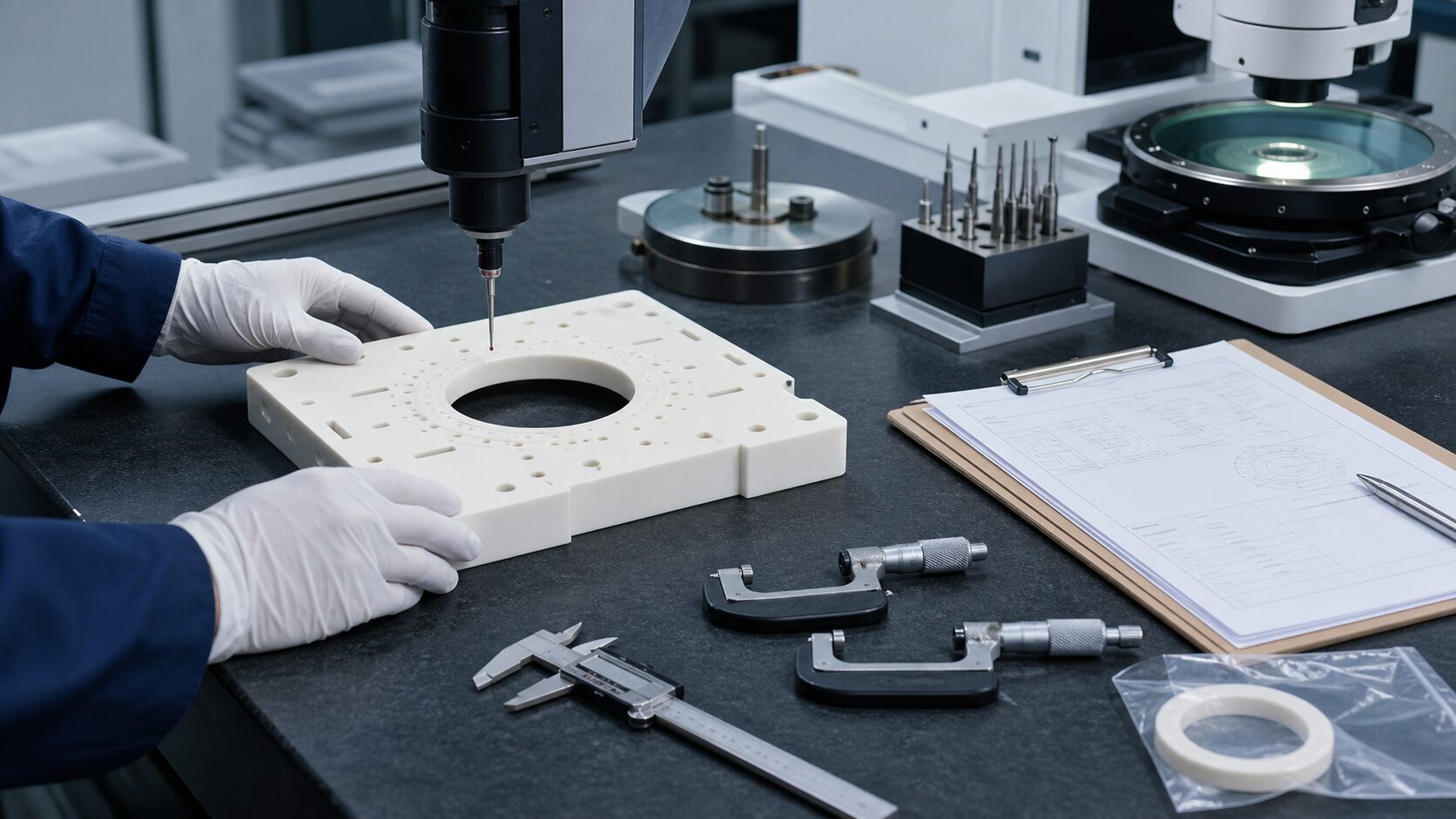
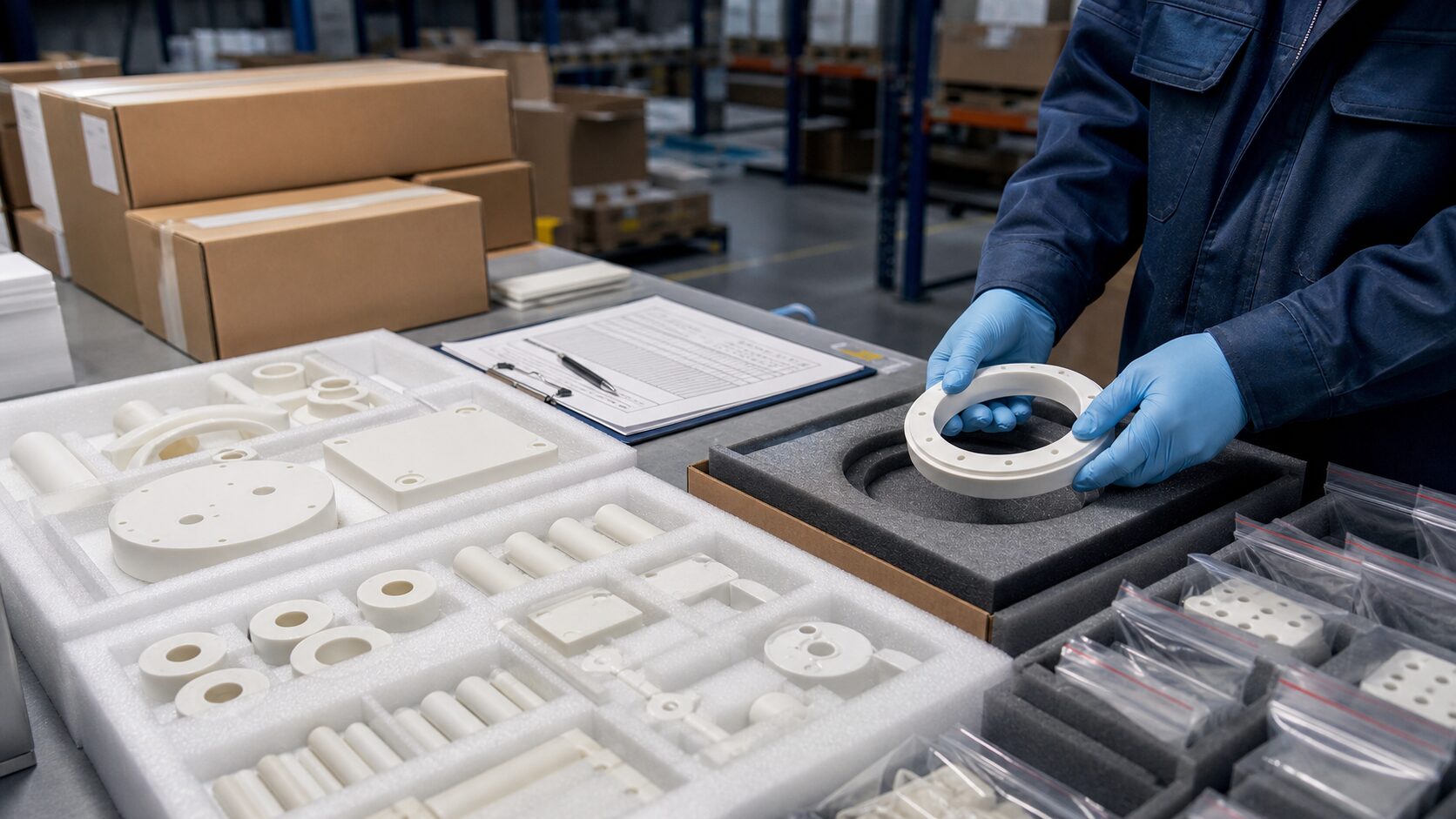
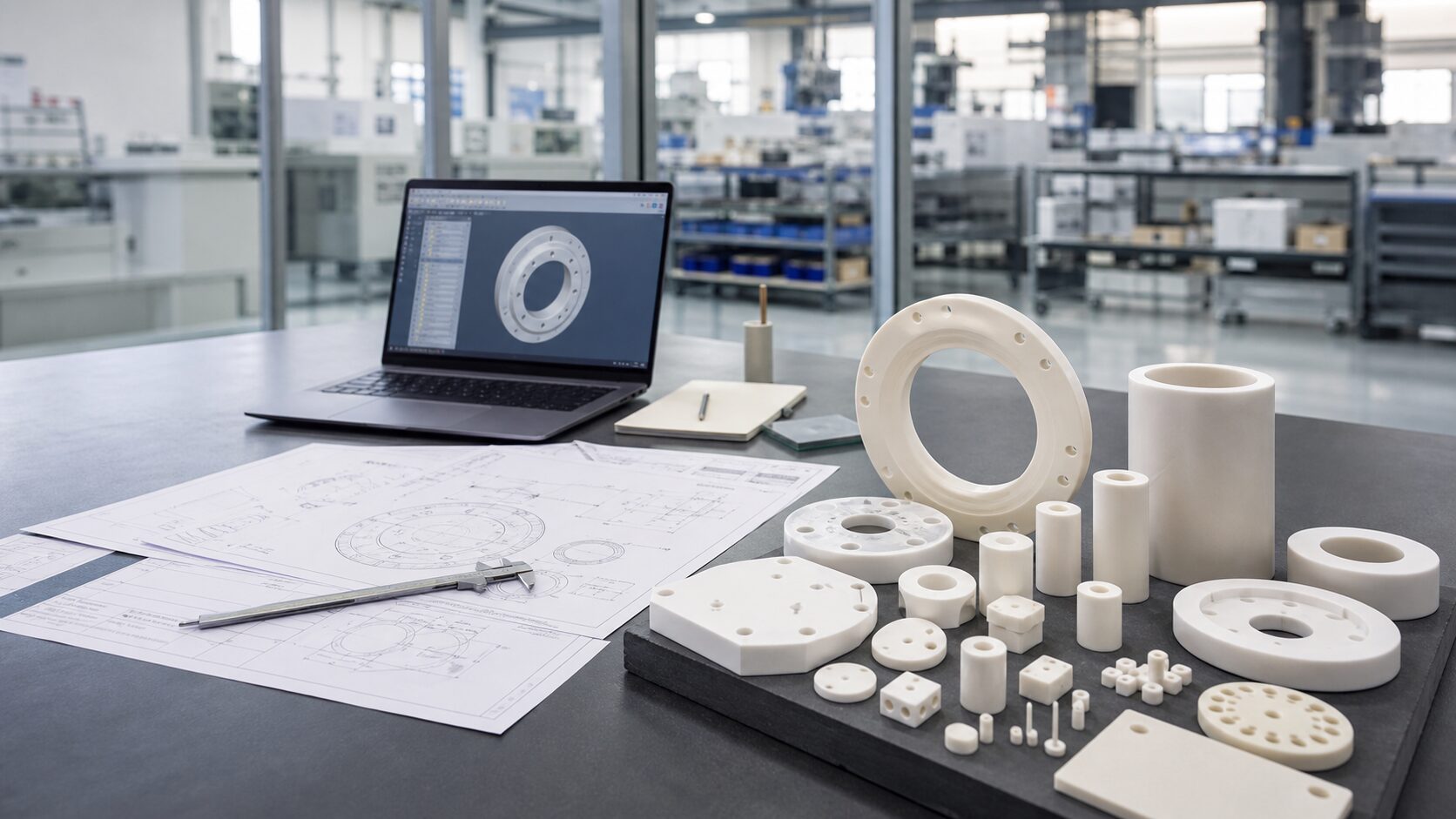
Great Ceramic manufactures custom ceramic components from 2D drawings, 3D CAD files, physical samples, and application requirements.