









Advanced Ceramic Materials for Custom Industrial Parts
Advanced ceramic materials solve wear, insulation, heat, corrosion and precision problems when metals or plastics reach their limit.
Great Ceramic helps engineers select the right ceramic materials family, review manufacturability, and turn drawings into custom industrial components ready for quotation and production.

Choose the Advanced Ceramic Family Behind the Part
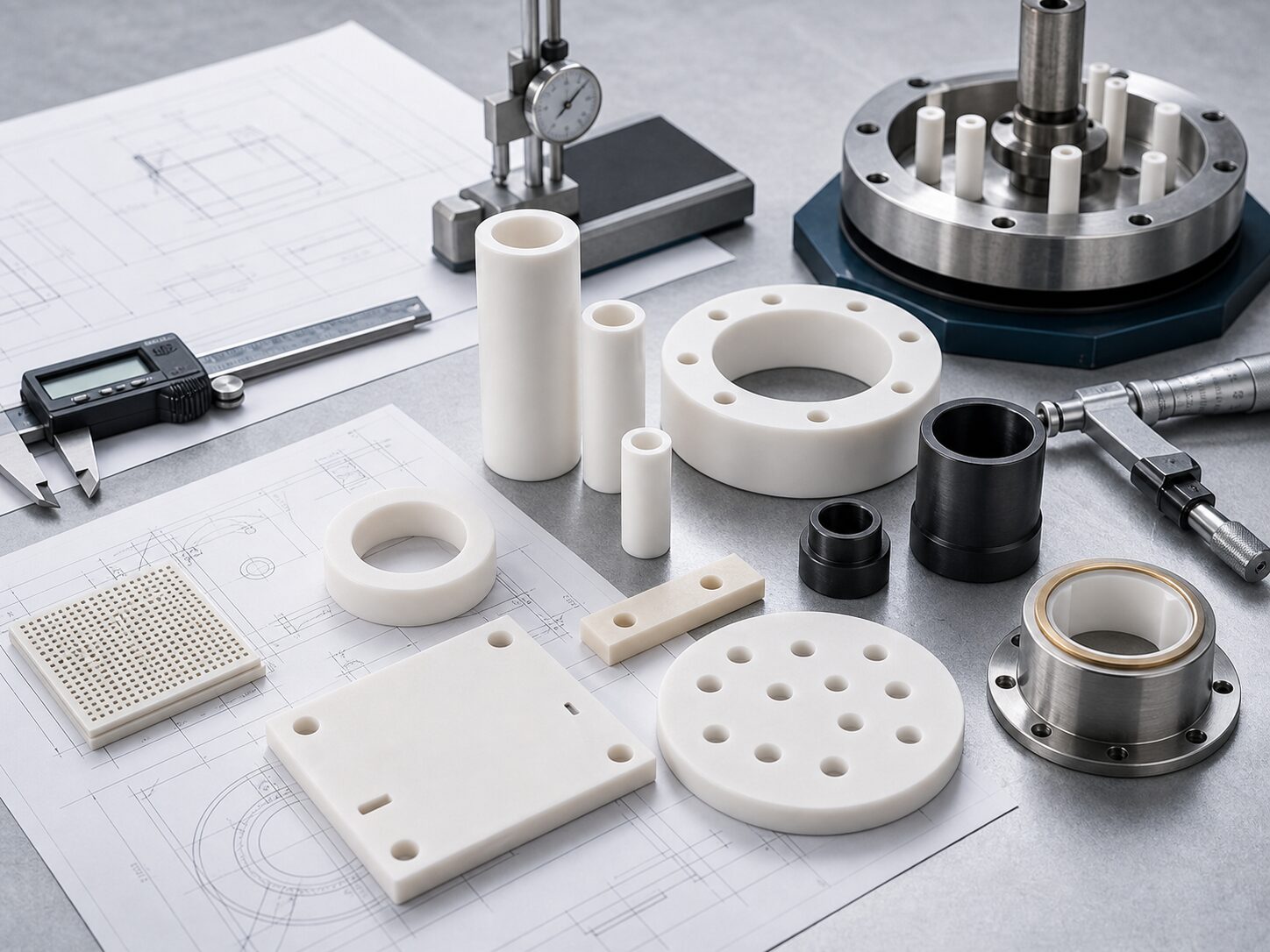
Great Ceramic offers materials such as oxide ceramics, nitride ceramics, carbide ceramics, and machinable ceramics to help engineers use the best materials for their applications.
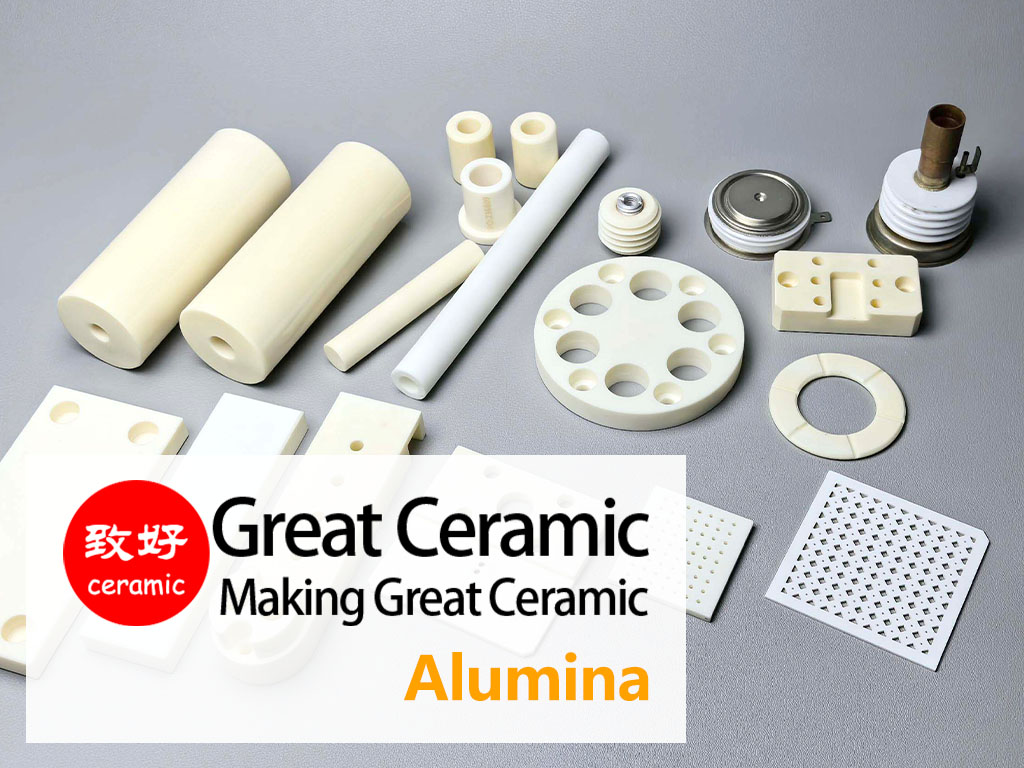
Alumina ceramics are often the first shortlist for wear parts, electrical insulators, spacers, rings, tubes, guides, plates and cost-sensitive technical ceramic components that need stable performance in industrial equipment.
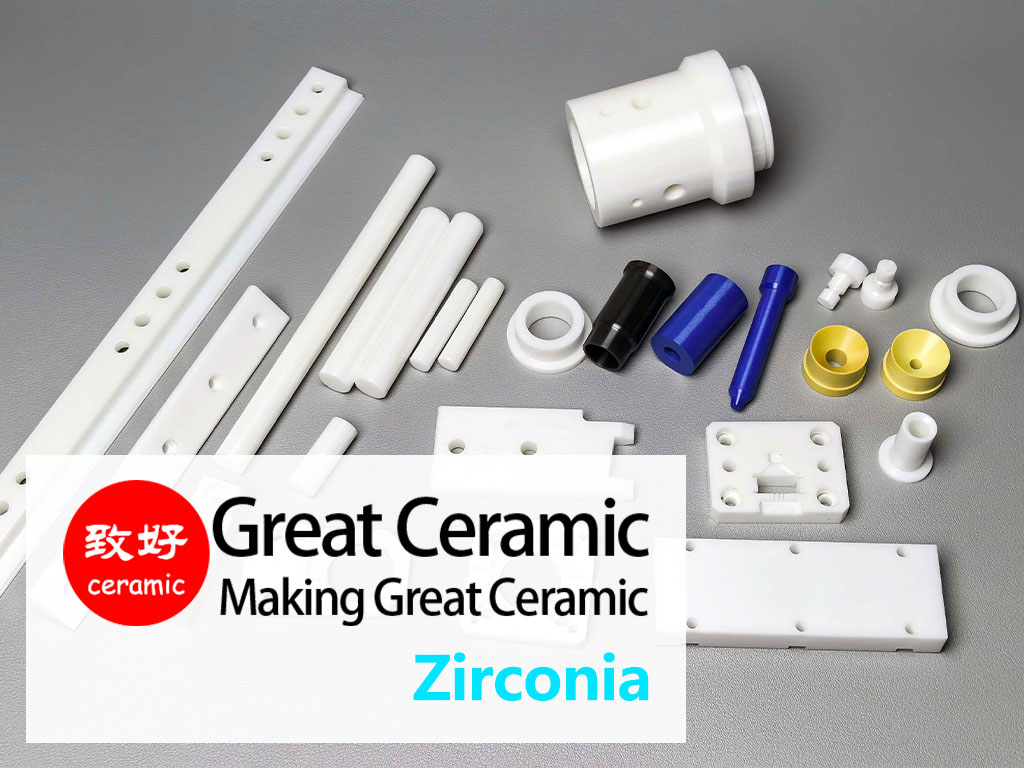
Zirconia ceramics bring higher toughness, strength and smooth precision surfaces for shafts, sleeves, bushings, rollers, blades, positioning parts and wear components that see contact stress.
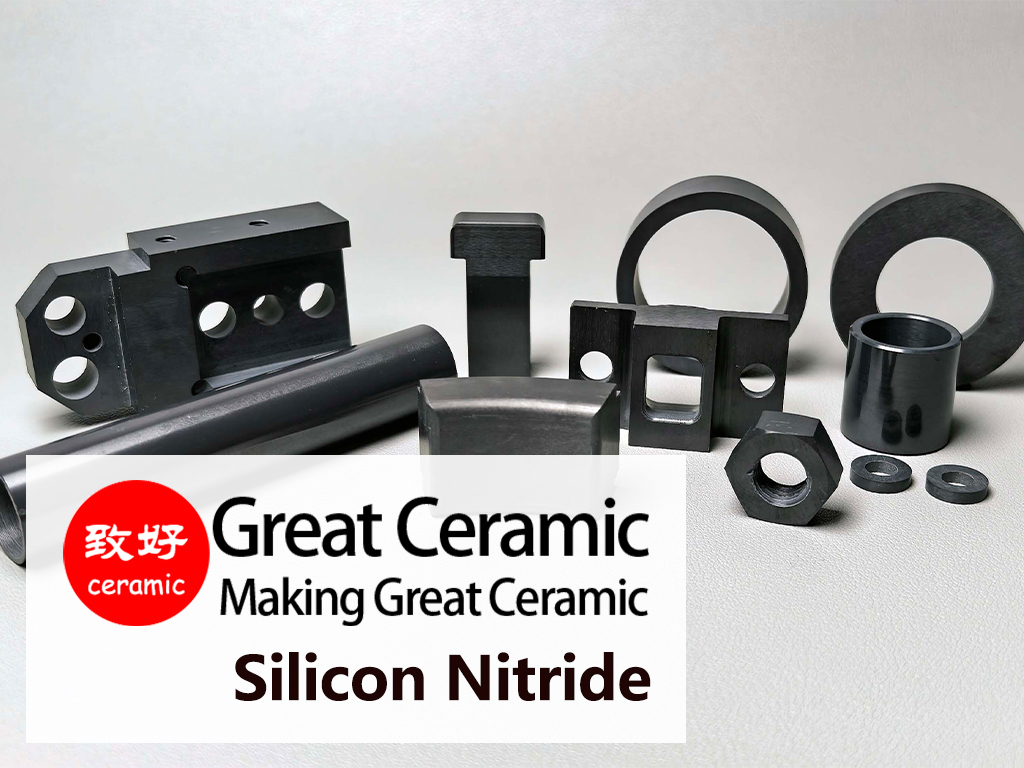
Silicon nitride ceramics suit high-load, high-speed, impact, wear and thermal-shock conditions in rollers, bearings, shafts and other mechanically demanding parts.
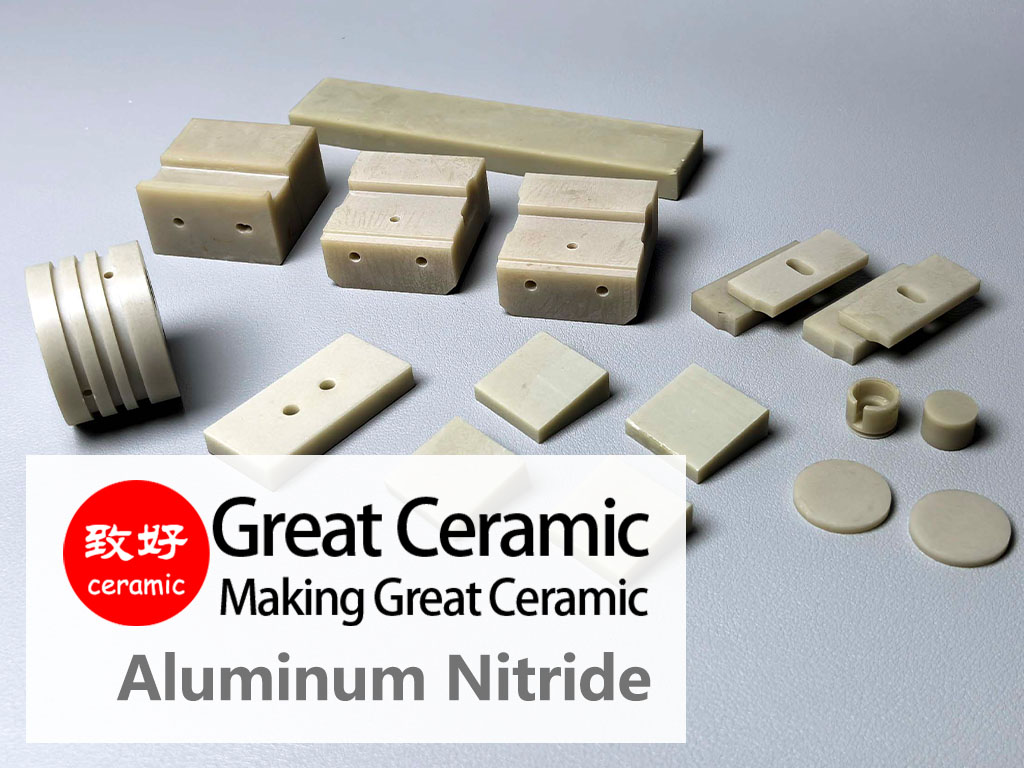
Aluminum nitride ceramics combine heat transfer with electrical insulation for substrates, heat spreaders and semiconductor or electronics components.
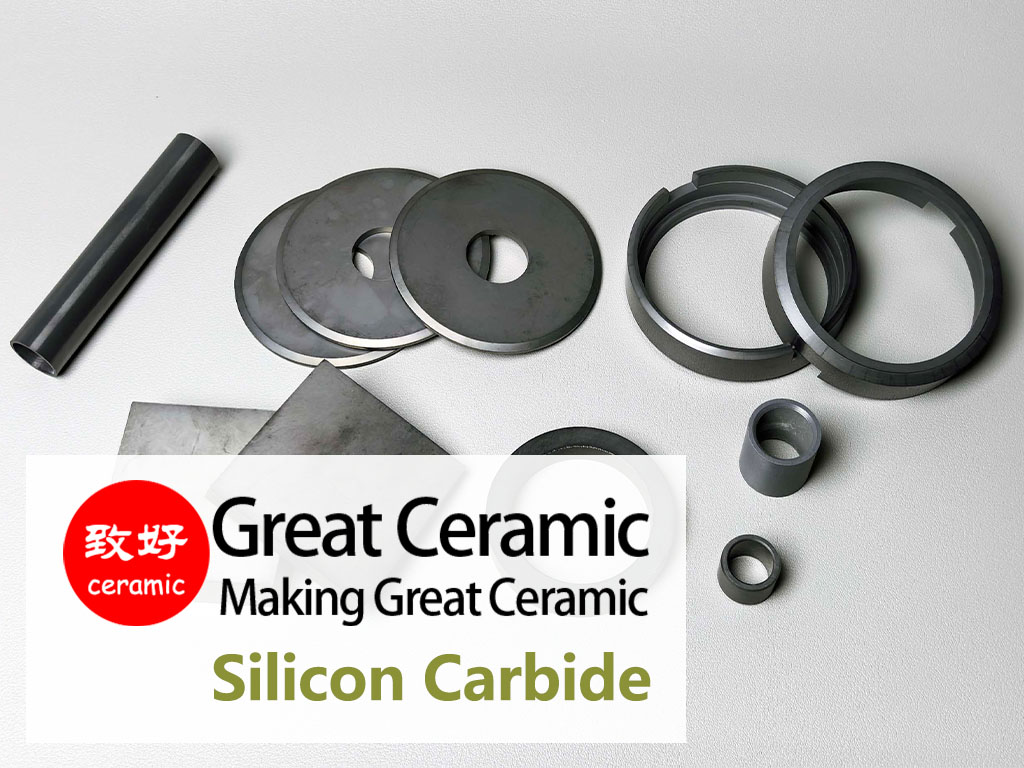
Silicon carbide ceramics fit severe abrasion, corrosion, high temperature and thermal-performance duties in seals, pump components, wear plates and furnace-related parts.
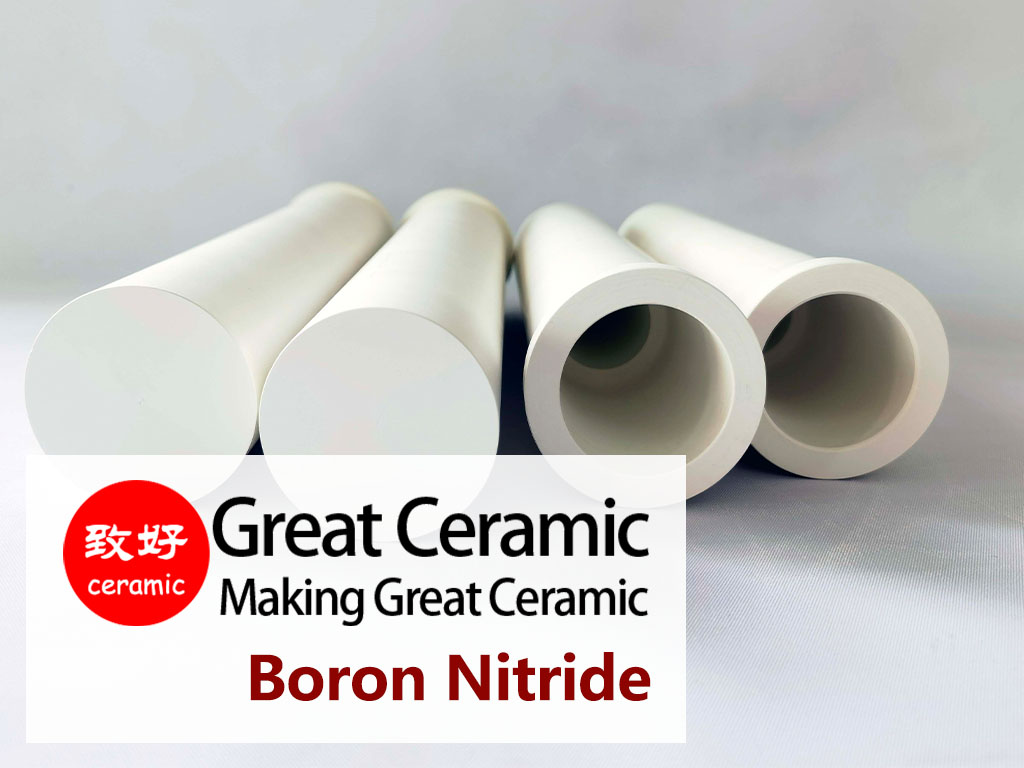
Boron nitride ceramics provide machinability, thermal stability and non-wetting behavior for selected high-temperature, vacuum and metallurgical components.
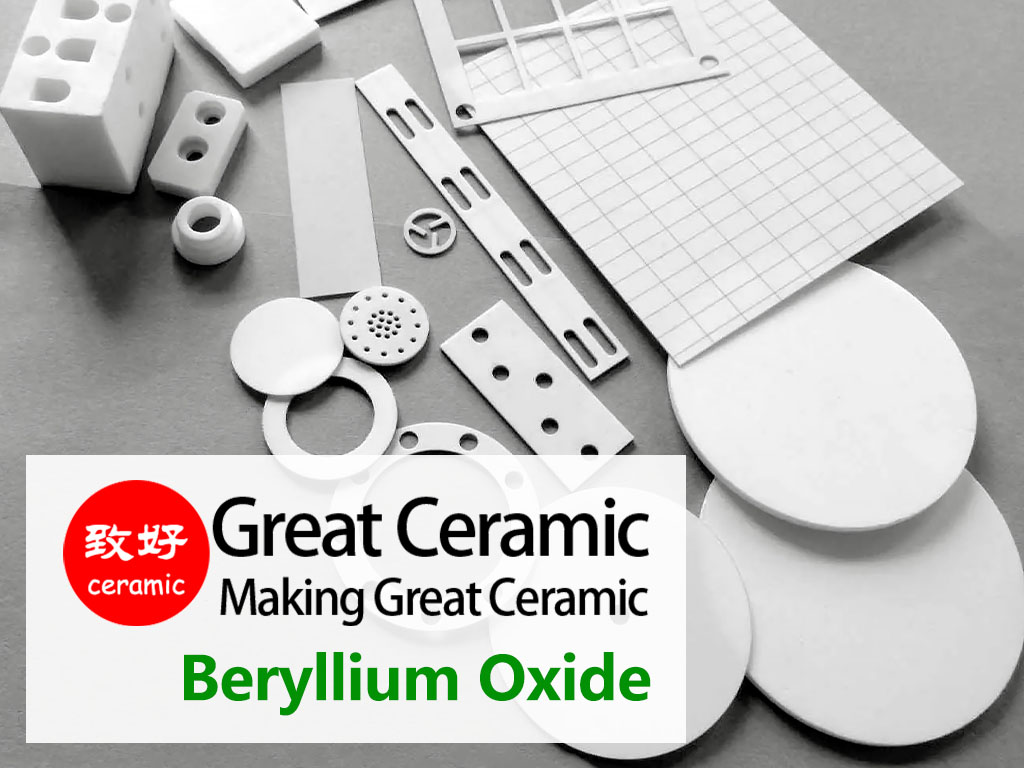
Beryllium oxide ceramics combine high thermal conductivity with electrical insulation for specialized thermal-management components that require qualified material and manufacturing review.
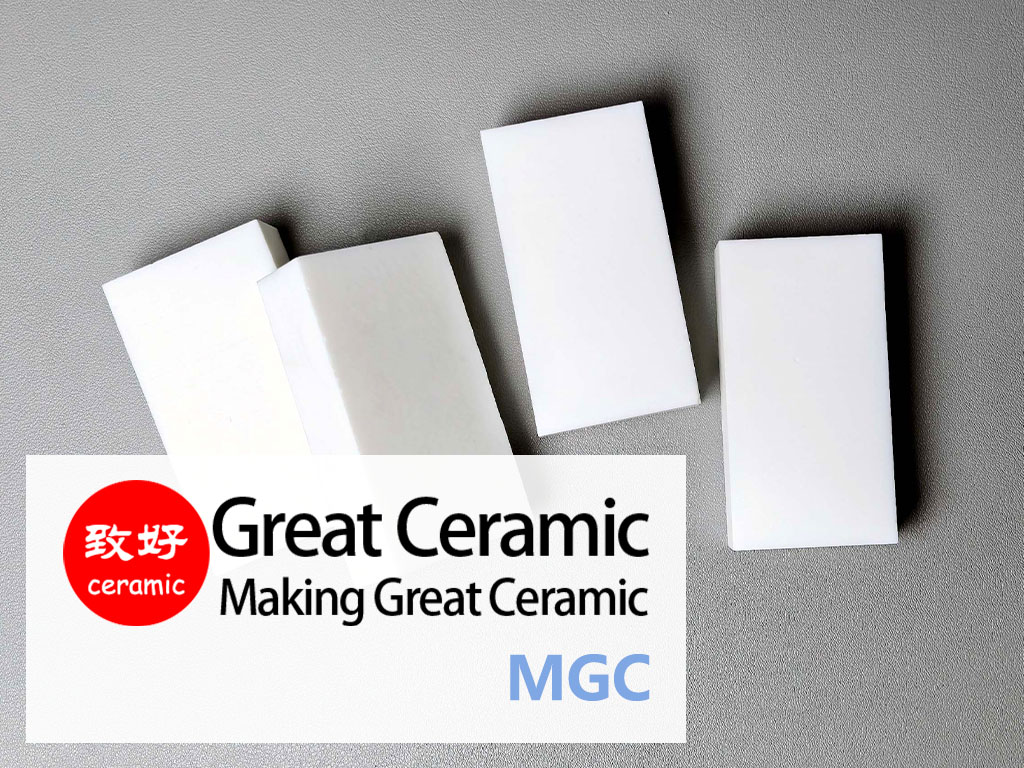
Machinable glass ceramic supports prototypes, fixtures and complex insulating shapes that benefit from conventional machining before a fired-ceramic route is justified.

ZTA ceramics bridge alumina economy with improved toughness for wear parts, guides, sleeves and components exposed to higher contact stress.
選定表
要件に応じたセラミック材料の選定
最適な材料は、破損リスクや性能目標を左右する特性によって異なります。図面検討の参考として、以下の表を活用してください。.
| 要件 | よく検討される材料 | なぜそれらが適しているのか | 確認すべき事項 |
|---|---|---|---|
| 電気絶縁 | アルミナ、窒化アルミニウム、窒化ホウ素、機械加工可能なガラスセラミックス | さまざまな熱処理および機械加工条件において、優れた絶縁特性を発揮する | 電圧、誘電体要件、温度、形状、表面仕上げ |
| 耐摩耗性 | アルミナ、ジルコニア、炭化ケイ素、窒化ケイ素、炭化ホウ素 | 多くの金属に比べて硬度が高く、耐摩耗性に優れている | 摺動摩耗または衝撃摩耗、荷重、相手材、潤滑、粒子 |
| 熱管理 | 窒化アルミニウム、酸化ベリリウム、炭化ケイ素、窒化ホウ素 | 熱伝達が重要であり、電気的挙動を制御する必要がある場合に有用です | 熱伝導性の要件、断熱性の要件、熱源、組み立て方法 |
| 高温環境での使用 | アルミナ、炭化ケイ素、窒化ケイ素、窒化ホウ素、ジルコニア | 素材によって、熱、熱サイクル、および雰囲気への耐性は異なります。 | 最高温度、連続または間欠使用、空気/真空/不活性ガス、熱衝撃 |
| 耐薬品性および耐食性 | アルミナ、炭化ケイ素、ジルコニア、特定グレードの窒化ホウ素 | ポンプ、シール、ノズル、スリーブ、および化学機器に有用です | 化学媒体、濃度、温度、圧力、洗浄工程 |
| 耐久性と機械的負荷 | ジルコニア、窒化ケイ素、ZTA | 他の多くのセラミックスよりも優れた破壊靭性または強度を持つ | 荷重方向、衝撃リスク、肉厚、鋭角、組立応力 |
| 加工性と試作品 | 機械加工可能なガラスセラミックス、窒化ホウ素、グリーン加工または焼成後加工されたセラミックス | 設計検証、治具、および短納期の精密部品に適しています | 数量、許容差、最終強度要件、使用温度 |
| セラミックと金属の接合 | 金属被覆アルミナ、金属被覆窒化アルミニウム、ろう付けアセンブリ | 電気、真空、フィードスルー、および組立に関する要件に対応しています | 金属の種類、ろう付け箇所、漏れに関する要件、熱サイクル、寸法管理 |
FAQ